
A visit to many of America’s most popular cities — New York, Los Angeles, San Francisco, Miami — comes at a cost, with high hotel rates, restaurant tabs and attraction fees that can overwhelm the average traveler’s budget.
Fortunately, there are still many unassuming cities in the U.S. that offer plenty to see and do without breaking the bank. Just because they aren’t high-profile doesn’t mean that they aren’t cool places. In fact, one of my favorite parts of being a travel writer is exploring places most people don’t consider worth visiting.
The cities below share a strong sense of place, a compelling local scene and easy airport access — plus a lower cost of entry (you can generally find hotel prices in each of these destinations for less than $200 per night).
So, make a plan to visit one of these affordable cities this summer, because these are the types of trips that knock it out of the park.
Cincinnati, Ohio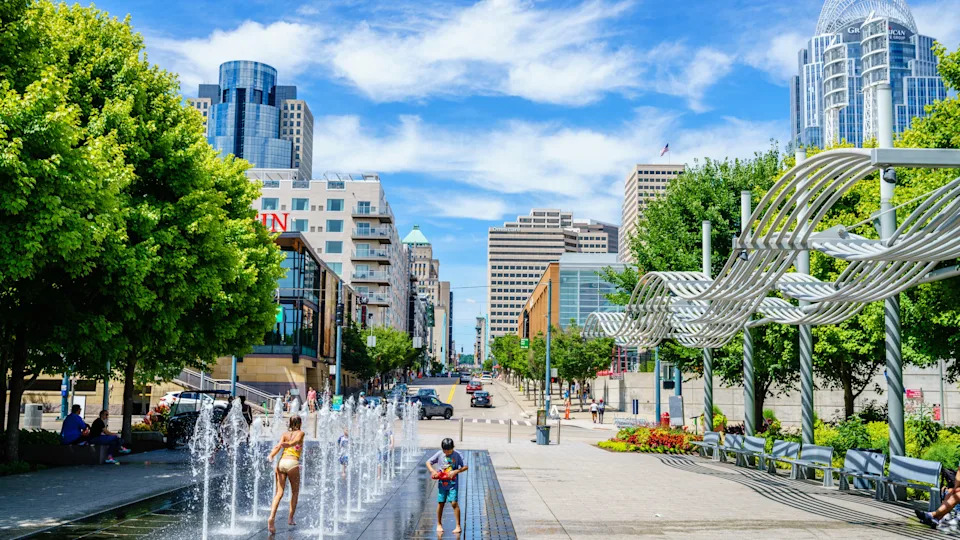
Head to Cincinnati’s great outdoor areas, like Smale Riverfront Park.
(alexeys via Getty Images)
Cincinnati was one of America’s fastest-growing cities during the first half of the 19th century. It also served as a key hub for the Underground Railroad. Today, the city is known for its collection of historic architecture, particularly in the Over-the-Rhine neighborhood, where restored Italianate buildings now house restaurants, breweries and shops. Cincinnati’s revitalized riverfront and public parks, thriving arts scene, local food culture and German heritage offer more depth than many travelers expect.
Long-weekend highlights
Spend time exploring Over-the-Rhine and browsing local food stalls at Findlay Market before walking the riverfront parks along the Ohio River, including Eden Park and Smale Riverfront Park. Visit the Cincinnati Art Museum (free) and the National Underground Railroad Freedom Center. Try the local Cincinnati-style chili as well as the German breweries and bakeries. Cross into Kentucky via the Roebling Suspension Bridge that spans the Ohio River.
St. Louis, Mo.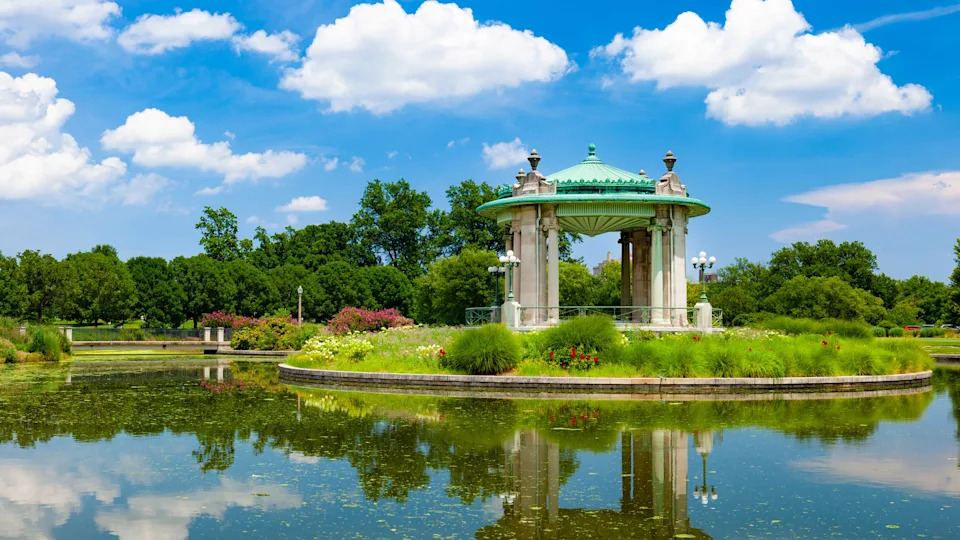
Fill a long weekend in St. Louis by touring its historic homes, restaurant scene and public parks.
(traveler1116 via Getty Images)
Few American cities are as closely tied to the nation’s westward expansion. The Gateway Arch remains its defining landmark, historic neighborhoods have been preserved and it’s home to one of the country’s largest urban parks. Culturally, it’s more diverse than many visitors expect, with influences from German, Italian, African American and Mississippi River traditions reflected in its food, music and neighborhoods.
Long-weekend highlights
Ride to the top of the Gateway Arch, and at dusk, sit in one of the surrounding lawns and watch the lights come on. Spend an afternoon in Forest Park (larger than Central Park), visit the St. Louis Art Museum (free) and explore the restaurants and historic homes of the Central West End neighborhood.
History buffs can dive into the city’s role as a gateway to the American frontier (St. Louis was the launching point of the Lewis and Clark expedition) as well as the riverboat era — take a scenic cruise out onto the Mississippi River to learn more. For art and music, visit the Kranzberg Arts Foundation, Walls Off Washington and the Fox Theatre. For creole food and music, visit the locally beloved Broadway Oyster Bar.
Louisville, Ky.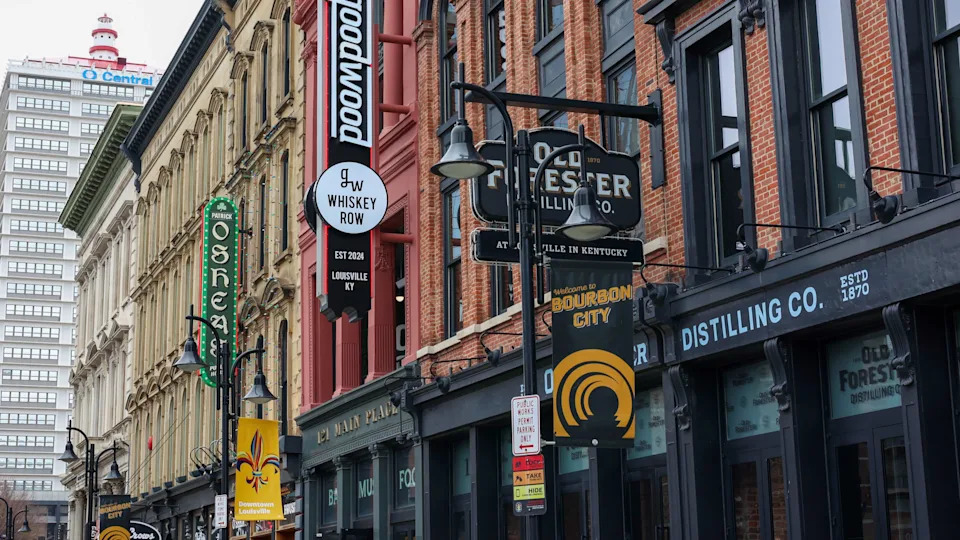
Between Whiskey Row and the Bourbon Trail, there are plenty of tasting opportunities in Kentucky.
(Robin Gentry via Getty Images)
Louisville owes much of its growth to the Ohio River. Before railroads connected the country, the Falls of the Ohio created a natural bottleneck in river traffic, making Louisville an important shipping and commercial center. The city later became closely associated with bourbon production and horse racing, but its history is visible far beyond the distilleries and racetrack.
One of Louisville’s most distinctive features is Old Louisville. It’s made up of block after block of Victorian-era homes, and offers a glimpse into the city’s prosperity during the late-19th century.
Long-weekend highlights
Tour Churchill Downs and the Kentucky Derby Museum, then spend time walking through Old Louisville, paying particular attention to St. James Court and its impressive collection of Victorian mansions. Visit the Muhammad Ali Center, which chronicles the life of Louisville’s most famous native son.
Walk across the Big Four Bridge for views of the Ohio River, and explore Whiskey Row along Main Street. For a deeper dive into bourbon culture, several distilleries are within easy driving distance of downtown, making Louisville an ideal base camp for exploring Kentucky’s famous Bourbon Trail. Sports fans won’t want to miss the Louisville Slugger Museum. Local food treats include a hot brown — an open-faced turkey sandwich — as well as Derby Pie, fried chicken, burgoo stew and barbecue.
Spokane, Wash.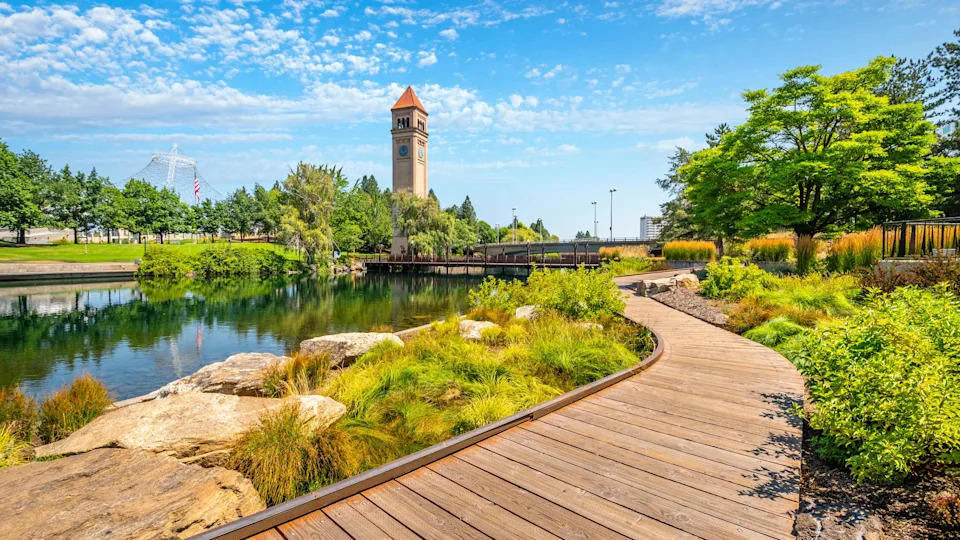
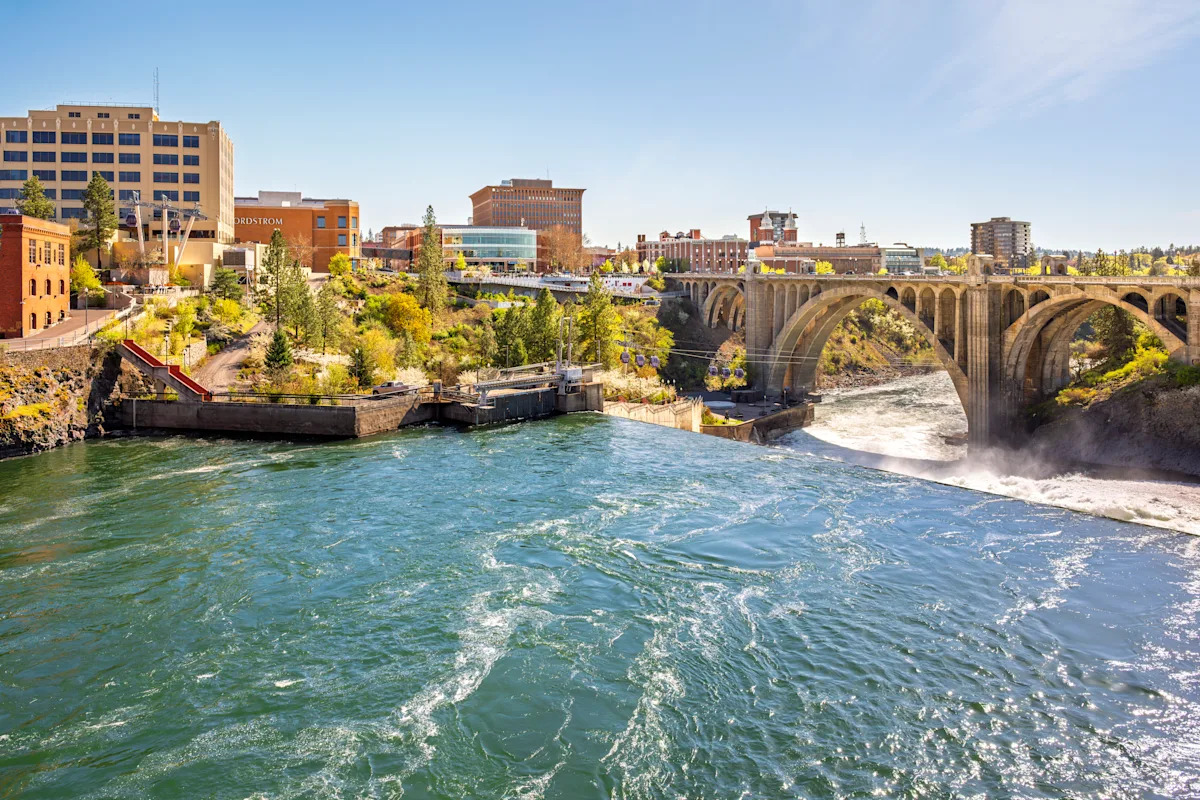
Once home to the World’s Fair, Spokane’s Riverfront Park is a great way to spend a day outdoors.
(Kirk Fisher via Getty Images)
Most travelers heading to Washington state focus on Seattle, but Spokane offers a completely different experience. Built around the Spokane River, the city is centered on a dramatic series of waterfalls that flow directly through downtown — a feature few American cities can claim. Spokane grew as a railroad and mining hub and later became the commercial center of eastern Washington. The city hosted the 1974 World’s Fair, and after, the fairgrounds were transformed into Riverfront Park, which remains the heart of the city today.
Long-weekend highlights
Adventure awaits. Begin at Riverfront Park, where walking paths lead to viewpoints overlooking Spokane Falls. Ride the Numerica SkyRide gondola over the river gorge for a closer look at the waterfalls.
Spend time at Manito Park, known for its formal gardens and conservatory, then explore the shops and restaurants of the Kendall Yards neighborhood overlooking downtown. Visit the historic Davenport Hotel, which opened in 1914 and remains one of the West’s great railroad-era hotels. Hike the local trails, including Bowl and Pitcher Loop, Iller Creek Trail or the Mt. Kit Carson Trail, or take a canoe or kayak on the Spokane River.
Buffalo, N.Y.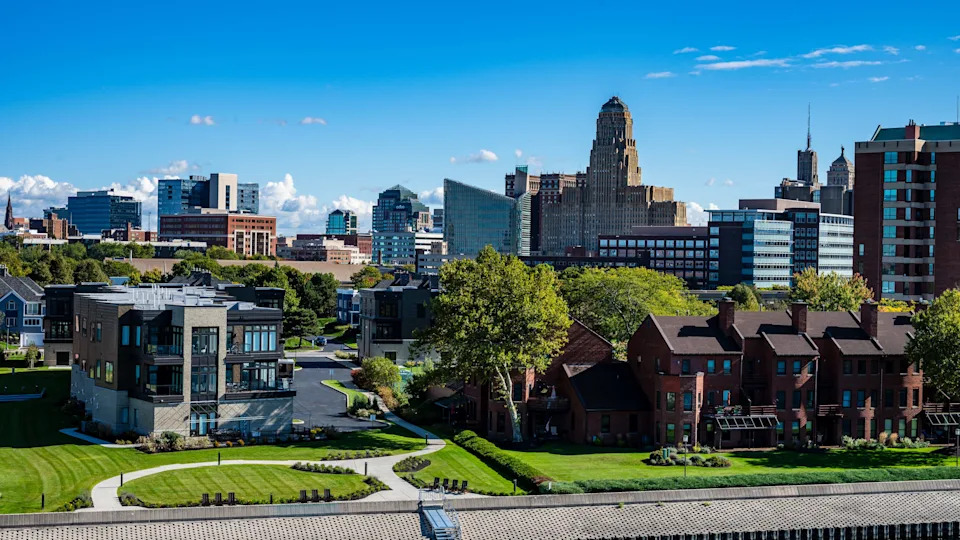
Design buffs, nature enthusiasts and chicken wing lovers should all head to Buffalo.
(rruntsch via Getty Images)
Buffalo grew rich because of its geography. Located at the western end of the Erie Canal, it became one of the nation’s most important transportation and grain-shipping centers during the 19th century. That wealth funded an extraordinary collection of architecture, from grand civic buildings to homes designed by Frank Lloyd Wright. While Buffalo’s industrial decline is well documented, visitors today encounter a city that has reinvested in its waterfront and preserved much of the architecture that reflects its years of prosperity.
Long-weekend highlights
Tour Frank Lloyd Wright’s Martin House, one of the architect’s most important residential commissions. Spend time along Canalside and the Buffalo River waterfront, where former industrial spaces have been transformed into public gathering places. Walk through Delaware Park and nearby Elmwood Village, one of the city’s most walkable neighborhoods, filled with independent shops, restaurants and historic homes. Visit the Buffalo AKG Art Museum, then make the short drive to Niagara Falls State Park, where you can walk directly to the edge of the American Falls. Before leaving town, stop at the Anchor Bar or Duff’s Famous Wings to try Buffalo’s signature dish in its hometown.
Milwaukee, Wis.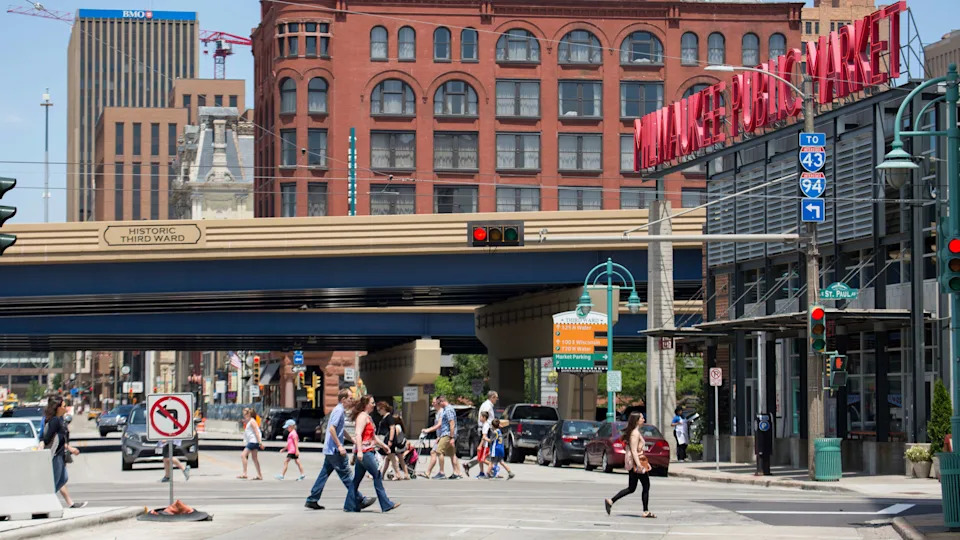
Sample some of the city’s best food vendors at the Milwaukee Public Market.
(MattGush via Getty Images)
Milwaukee was shaped by German immigration, brewing and Great Lakes commerce. By the late 19th century, it had become one of America’s major beer-producing cities, home to giants like Schlitz, Pabst and Miller. Much of that heritage remains visible today, from restored brewery complexes to neighborhood beer gardens.
The city’s location on Lake Michigan is equally important. Milwaukee’s downtown sits directly along the shoreline, giving it a beautiful waterfront setting, especially in summer.
Long-weekend highlights
Visit the Milwaukee Art Museum, whose movable Burke Brise Soleil has become one of the city’s defining landmarks. Walk the Lakefront Trail and spend time along Veterans Park and Bradford Beach. Explore the Historic Third Ward, a former warehouse district now filled with galleries, restaurants and shops, and stop at the Milwaukee Public Market for local food vendors.
Tour the historic Pabst Brewery complex and learn how Milwaukee became one of America’s brewing capitals. For dinner, head to Mader’s, a German restaurant that has been operating since 1902 and remains one of the city’s most enduring institutions.