
 When Justice Ellen Spodek first walked into a Brooklyn courtroom, it wasn’t as a lawyer or a judge; it was as a juror. Watching the late Justice Sybil Hart Kooper preside over jury selection, she said, set her on the path to the bench.
“I was in her courtroom, and I was watching her, and after that experience, I decided I was going to take the LSAT and apply to law school,” Spodek said.
“I didn’t have role models of women who were lawyers or doctors, but seeing Sybil Hart Kooper, who was a force to be reckoned with, made me realize that I could do it too.”
Spodek shared that story during the Brooklyn Women’s Bar Association’s “Lunch with a Judge” program, where she joined BWBA President Lisa Michael and moderator Justice Dweynie Paul for an hour-long conversation about her path to the judiciary, her years in public service and how the legal profession has evolved for women since she began practicing law.
Her father, also a judge, encouraged her to pursue law, but she said it was her mother who shaped her values and approach to the work.
“My mother told me, ‘We’re not going to love you any less if you fail,’” she recalled.
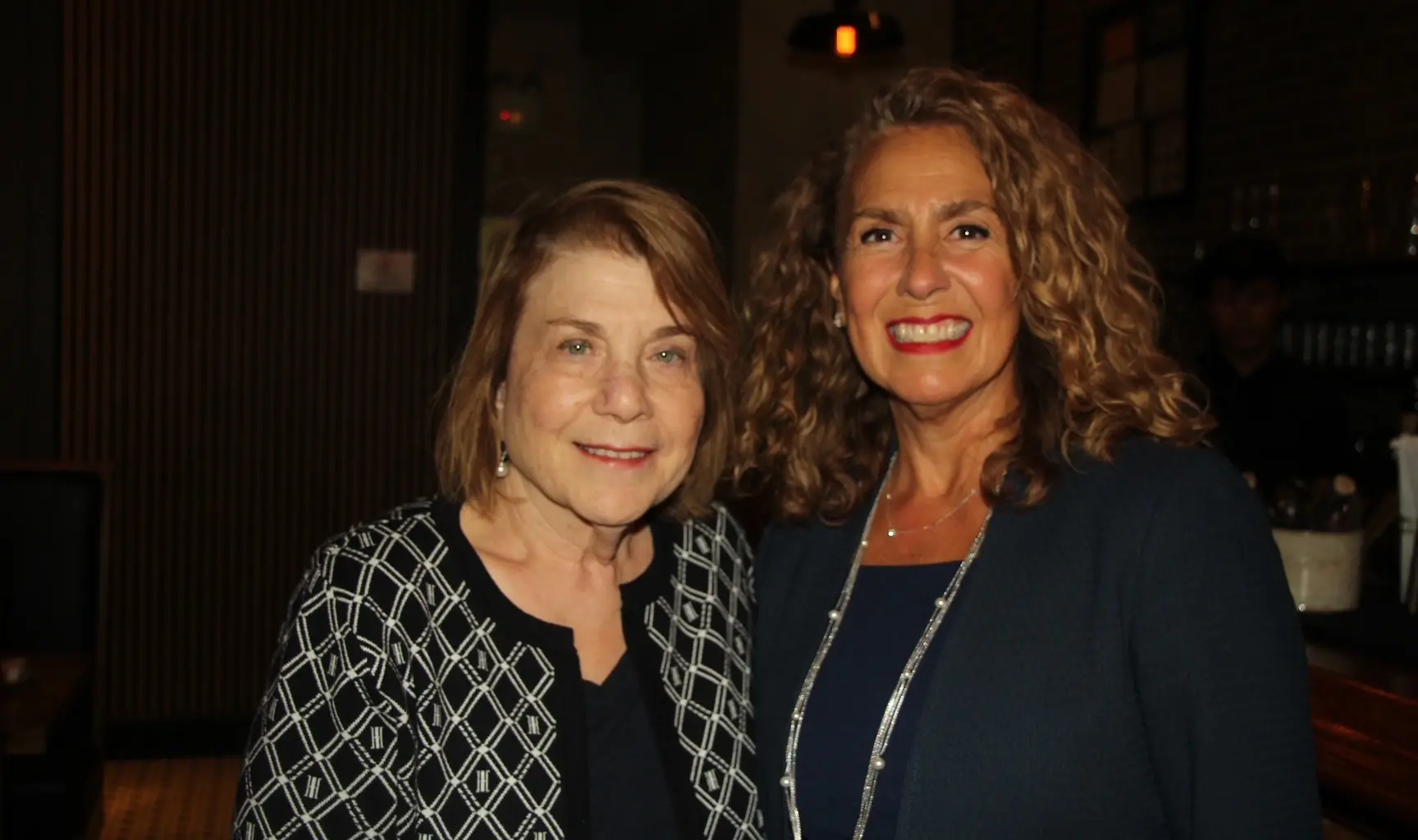
 Justice Ellen Spodek, who presides over the medical malpractice part in Kings County Supreme Court, reflected on her four decades in public service during the Brooklyn Women’s Bar Association’s recent “Lunch with a Judge.” Brooklyn Eagle photo by Robert Abruzzese
“She always said, ‘It’s who you are that makes people have a good opinion of you, not how smart you are or how you did in school.’ That’s something I’ve always carried with me.”
Spodek, who currently presides over the medical malpractice part in Kings County Supreme Court, Civil Term, earned her law degree from Fordham University before beginning her career at the New York City Law Department.
She later served as a judge in Civil Court and Family Court and was elected to the Supreme Court in 2008. Over the years, she has watched the legal profession change profoundly, especially for women.
“When I started practicing, people used to think I was the court reporter,” Spodek said. “Now, it’s completely changed. I heard a colleague tell me that when he asked his son if he wanted to be a lawyer, the boy said, ‘No, I’m not a girl.’ That’s how much the profession has shifted.”
She said one of the most rewarding parts of her job has been mentoring younger lawyers and judges, something she does freely and often.
“It’s a very solitary job being on the bench, and there aren’t many people you can talk to about cases,” she said. “But I always tell new judges and lawyers to never think they’re the smartest person in the room. You can always learn from someone else.”
Justice Spodek is retiring in April and, as she prepares to leave the bench, she said she plans to focus on mediation, teaching and volunteer work while spending more time with family.
“I’d like to do mediation and maybe volunteer through Fordham or the Court’s CLO program,” she said. “I’m also looking forward to reading more, traveling and just being able to go to my nephew’s baseball games on a Tuesday night — something I can’t do now.”
After more than 40 years in public service, Spodek said she feels nothing but gratitude for the path her life has taken.
“I really feel I’ve been blessed in life,” she said. “I’ve made good decisions, met incredible people and had a chance to do meaningful work. If I had to do it all again, I wouldn’t change a thing.”