
00:00 Speaker A
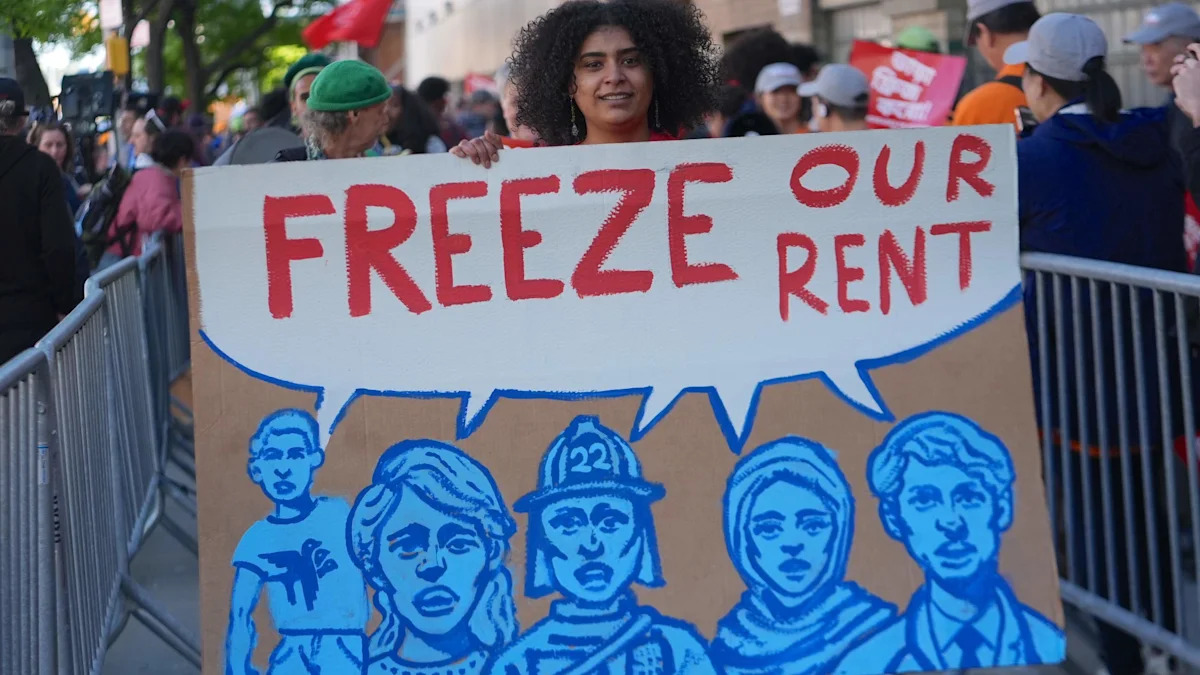
Let’s start with that rent freeze here in NYC. Mom Dani is celebrating it uh as a win for tenants. I’m interested to get your thoughts though, Frances, on what you see the ripple effects are though for the landlords, uh for the building owners in this city. Cuz of course their costs, those aren’t frozen, uh Frances, in terms of taxes and insurance and and maintenance, but how do you think through it?
00:23 Frances
Look, it’s an immediate relief for tenants, but it’s not a relief for landlords, especially if you’re seeing taxes go up, maintenance costs go up, and you can’t maintain the actual maintenance of the building. You know, it’s a short-sided, not long-term view that ultimately impacts landlords, especially non-commercial landlords who have limited capacity, who don’t have a major loan backing them. All of these friction costs continue to eat away and quite frankly, people who own these buildings should have the right to allocate accordingly and do what they want with their own product.
00:54 Speaker A
Econ 101, Frances. I mean, if you want to bring prices down, you ramp up supply. Is anybody talking about that in New York?
01:06 Frances
Big issue. Big issue. We’ve already seen one bedroom average go over $5,000 a month. It indicates to me that we have a supply and demand issue. While I understand that people want to get in, it’s going to make it even more difficult and even more cost prohibitive to rent.
01:22 Speaker A
I want to switch gears and talk about the pied-à-terre tax as well, Frances. I’m curious what you’re seeing from luxury buyers, how they’re responding, how they’re reacting, Frances. You know, are they walking away, or does it mean they’re adjusting kind of price points and strategies? What do you see? What do you hear?
01:42 Frances
Well, I think the first phase is not actually aligned with transactions. I think there’s some confusion about it. I think people think that if it’s $5 million on a trade right now, that means they’re going to get hit by a pied-à-terre tax. The phase one that goes into effect on the 1st of next month and is in effect till the 30th of 2028 is really just for people to understand land value. And the land value is well below. However, phase two is the big speculation. Will it be an average over five years? Will it be more transactionally aligned? And it most likely will. The issue that we’re running into is how do you navigate that? And there are ways to navigate it. I am not seeing people pulling out. There’s always a pause when you have a legislation change, but I’m not convinced that’s the end of it. I think we are seeing luxury movement taking place irrespective. You know, supply and demand is a big part of that, and the fact that people still need shelter and want to upgrade in New York.
02:35 Speaker A
I wanted to get your take for that. I was interested whether you thought that tax could ultimately create more inventory at the very high end, Frances, only because whether you thought there would be some material significant group of people who just figured, you know what, a second home just is not worth it there.
02:52 Frances
Yes and no. I think there are ways to carve this out in a way that allows people to still maintain a secondary home.
03:01 Speaker A
New York City has always been resilient, Frances, of course. So if you look out one, three, five years, how optimistic, how confident are you still about New York City’s real estate market?
03:13 Frances
That’s an unfair question. I mean, the reality is we don’t know what we think we know, but I I tend to believe that it is still one of the most sound and consistent performers of income and and returns for people around the globe.
03:37 Speaker A
Francis, it’s always good to see you and have you on the show. Thank you.
03:40 Frances
Thank you.