
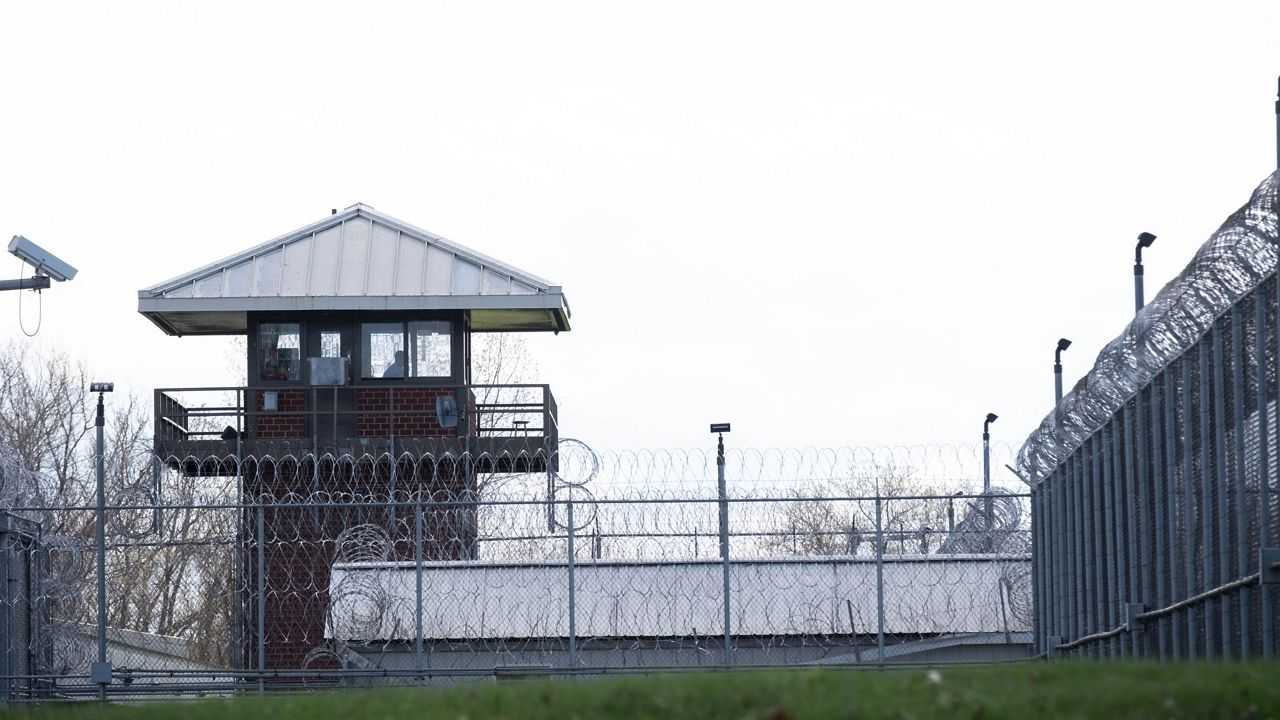
A new report from the Department of Corrections and Community Supervision shows how New York state is working to address oversight and accountability issues in the state’s prison system. It examines failures within the department and lays out recommendations for improvement.
Gov. Kathy Hochul called for this report after the deaths of Robert Brooks and Messiah Nantwi at the hands of correction officers. DOCCS partnered with law firm WilmerHale on this nearly 300-page report.
While agency officials say this is a step in the right direction, advocates are calling for more.
The review found that, despite both staff and incarcerated individuals wanting to feel safe and respected, systemic failures have instead created a culture of violence that allows abuse behind bars to go unchecked.
“It’s just unbelievable, the way that this, this culture has created this chilling effect and, and fear on people who are seeking to do the right thing,” Jennifer Scaife said, the executive director of the Correctional Association of New York.
The report determines that such a culture was created by an “us versus them” mentality, outdated training and a lack of accountability or disciplinary action. The current staffing crisis has only exacerbated the issues.
Scaife says the report’s findings are in line with CANY’s observations and recommendations it’s made throughout the years.
“All of these things sound very familiar and they are presented all in one place in this very kind of detailed way, that I think it presents a roadmap really for the state to review a lot of the systemic issues that we have certainly observed,” Scaife said.
The New York Civil Liberties Union says the state’s report echoes the decades of DOCCS disciplinary records that NYCLU published last year.
“Over the past decade, corrections officers’ use of force on incarcerated people has been surging with impunity. Incarcerated people deserve to be treated with human dignity, not abuse and torture,” Bernadette Rabuy said, NYCLU’s senior policy counsel.
NYCLU says it will continue to push for transparency, humane conditions, and structural reform and advocates for passing the Rights Behind Bars Act and the Communities Not Cages and Parole Justice Bills.
The state has its own recommended solutions. The report includes strengthening oversight, installing cameras, updating outdated training, modernizing records and prioritizing mental health — steps Cliff Ryan Jr., a formerly incarcerated individual, says might have made him feel safer when he was inside and enduring abuse.
“Let’s just hope that with things being in place right now, that they will consider a lot of these different factors, and trying to cultivate a better environment in there, because it’s needed,” Ryan said.
But for Patterson Nantwi, father of Messiah Nantwi, these recommendations come too late.
“This report lays bare the horrific violence my son endured and the efforts to cover up what happened to him. Messiah was only 22 years old, and he deserved to be treated with dignity and respect, not beaten to death by the very people responsible for his safety and care,” Nantwi said. “Nothing can bring my son back, but I will continue fighting to make sure that everyone responsible for his death is held accountable and that no other family has to suffer the pain our family lives with everyday.”
DOCCS says it’s completed a number of recommendations, including a body-worn and fixed camera expansion, an enhanced use-of-force review process, anti-retaliation policies, and several wellness measures. DOCCS says it’s in the process of implementing more of the report’s recommendations.
“These are basic things that will require huge investments of time and energy, training, resources,” Scaife explained, adding, “But I think that they’re all necessary if we expect the department to turn it around, and frankly, there’s no choice.”
CANY will continue to monitor DOCCS as it aims to make these reforms and as the non-profit watchdog organization continues its own oversight work.
Spectrum News 1 did reach out to DOCCS for comment, but the department was not available at the time of publication.