
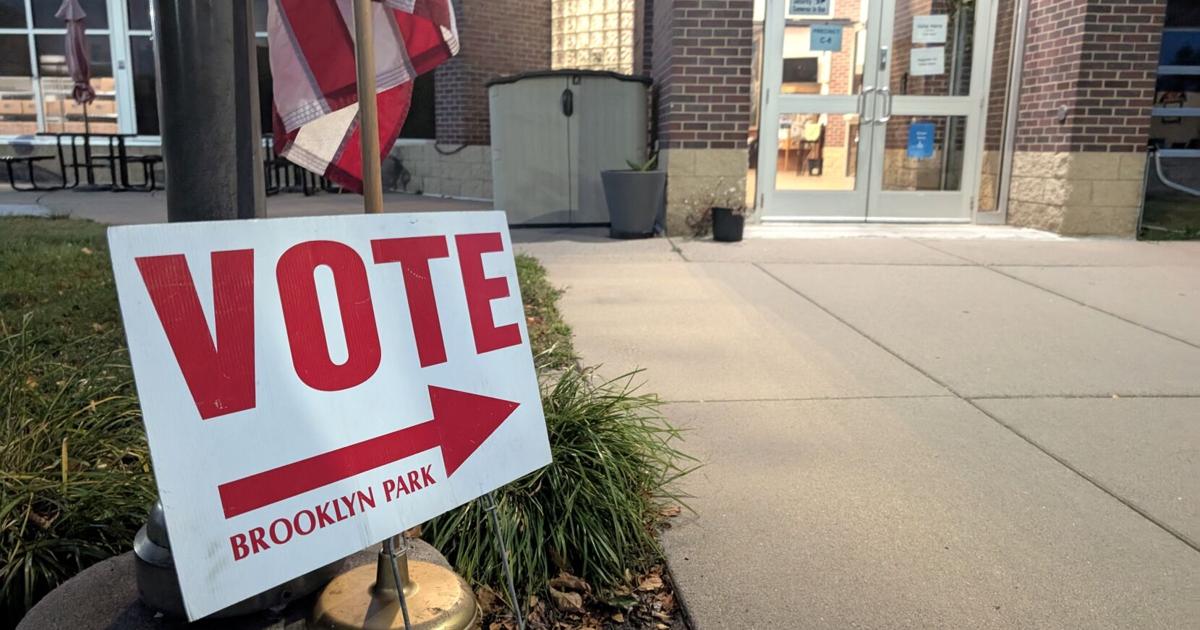
A primary election will help decide the next mayor of Brooklyn Center. On Aug. 11, a four-person candidate pool will be reduced to two candidates.
The candidates are Alexander Koenig, Teneshia Kragness, Latrecia Mayo and Laurie Ann Moore.
The two top vote-getters will advance to the Nov. 3 general election. The candidate who wins this fall will serve a four-year term beginning in January 2027.
For more information on voting, visit brooklyncentermn.gov/government/elections.
Sun Newspapers reached out to candidates to compile this voter’s guide in advance of the primary election. Mayo did not submit responses in time for the deadline but confirmed that she is actively campaigning in the race for Brooklyn Center mayor.
Responses from the remaining three candidates are below.

Alexander Koenig
Alexander Koenig
Current occupation
Businessman and Civic Executive.
Education
Business, Public Policy and Psychology.
What is one thing Brooklyn Center is doing particularly well right now, and what is one thing you think the city needs to actively improve?
Brooklyn Center does an incredible job of embracing and celebrating our vibrant, global diversity; our community’s rich cultural tapestry is our greatest strength. However, the city urgently needs to improve its economic execution. We have spent years settling for small-minded, patchwork fixes that place an unsustainable tax burden on our homeowners and renters. We must actively transition from merely managing decline to championing bold, large-scale economic development. By attracting premier commercial and entertainment investments, we can finally turn our immense community potential into a safe, well-policed, and prosperous reality for everyone.
The mayor of Brooklyn Center has responsibilities both inside and outside of City Hall. If elected, how would you balance the need to facilitate council meetings with the other expectations that come with the office?
Running council meetings is a basic duty, but true mayoral leadership extends far beyond City Hall. A Mayor must serve as Brooklyn Center’s Chief Ambassador and economic driver. I will balance internal governance with aggressive external engagement—using my strong working relationships with regional business leaders, area mayors, and state officials to bring investment back to our city. In this election, Brooklyn Center simply cannot elect a passive figurehead or unpredictable chaos. We cannot transform our economy by sitting behind a desk. I will lead with a stable, active, executive presence, ensuring our local government is connected, respected, and championing our interests.
Last year, Brooklyn Center closed one of two city-run liquor stores. Closure or sale of other properties managed by the city, like the Brooklyn Center Heritage Center, has also been debated. As mayor, what factors would you consider when deciding the future of city-owned or city-run amenities?
When evaluating city amenities, I look beyond the balance sheet to measure their true cultural value. Every space must serve our residents without placing an unsustainable tax burden on our homeowners. We must stop managing decline by simply selling off assets to cover shortfalls—a crisis caused by years of bad financial advice and a lack of council leadership. As Mayor, I will view these properties as strategic opportunities. By exploring public-private partnerships, we can transform underutilized spaces into vibrant, self-sustaining hubs for community events and cultural gathering, preserving their purpose while securing our city’s fiscal future.
What is the best way for a voter to contact you?
alexanderkoenigmayor@gmail.com
Teneshia Kragness
Teneshia Kragness
Current occupation
Mayor Pro Tem, Accountant.
Education
B.B.A. in Accounting; Graduate Studies in Christian Leadership and Business.
What is one thing Brooklyn Center is doing particularly well right now, and what is one thing you think the city needs to actively improve?
I believe Brooklyn Center’s greatest asset is its people. One thing our city does well is creating opportunities for residents to be engaged and have a seat at the table. Where I believe we can improve is ensuring that engagement leads to meaningful action. Listening is only the first step. I want residents and our advisory commissions to know their ideas are valued, seriously considered, and reflected in the decisions we make. That’s how we build trust and strengthen our community.
The mayor of Brooklyn Center has responsibilities both inside and outside of City Hall. If elected, how would you balance the need to facilitate council meetings with the other expectations that come with the office?
I am a multitasker by nature, but I’ve learned that working smarter is more important than simply working harder. I stay organized, set priorities, and surround myself with people who share a commitment to serving our community. I also know the importance of taking time to recharge so I can continue showing up at my best. That balance has helped me successfully manage multiple responsibilities throughout my career and public service, and it is the same mindset I’ll bring to serving the residents of Brooklyn Center as Mayor.
Last year, Brooklyn Center closed one of two city-run liquor stores. Closure or sale of other properties managed by the city, like the Brooklyn Center Heritage Center, has also been debated. As mayor, what factors would you consider when deciding the future of city-owned or city-run amenities?
Every city asset should be evaluated based on both its financial impact and the value it brings to our community. As an accountant for more than 25 years, I’ve built my career helping organizations be fiscally responsible while making thoughtful, long-term decisions. I also recognize that a city’s assets aren’t just buildings or businesses, they’re also the people who work there and the services residents rely on. My approach is to look at the numbers, listen to the community, and make decisions that are both fiscally responsible and strengthen our quality of life.
What is the best way for a voter to contact you?
Laurie Ann Moore
Laurie Ann Moore
Current occupation
Licensed social worker
Education
Master’s in Social Work, Augsburg College; Bachelor’s in Social Work, University of Iowa
What is one thing Brooklyn Center is doing particularly well right now, and what is one thing you think the city needs to actively improve?
Under new administration, the interim finance director has completed a thorough and transparent review of the financials and 10 year financial management plan. This review includes recommendations for future financial sustainability of the city for consideration by the council. Development and redevelopment within the city has been stagnant for the past five years and some would argue even longer. A master plan for various empty lots and sites has been presented and will need commitment by the council to continue to press forward on viable projects.
The mayor of Brooklyn Center has responsibilities both inside and outside of City Hall. If elected, how would you balance the need to facilitate council meetings with the other expectations that come with the office?
This is an expectation of the role of the mayor and I will fulfill my responsibilities to lead city council meetings and be engaged and present for interviews, grand openings, and meetings with residents and businesses during mayor office hours. I will support businesses who provide targeted resources and events for our diverse resident population. I will participate in as many neighborhood meetings and engagement events that are scheduled by police, fire, and park and recreation departments as these departments have established important, ongoing community connections within our city.
Last year, Brooklyn Center closed one of two city-run liquor stores. Closure or sale of other properties managed by the city, like the Brooklyn Center Heritage Center, has also been debated. As mayor, what factors would you consider when deciding the future of city-owned or city-run amenities?
The decision to close any city-owned or city-run amenity must be debated by the council and an informed decision made as to the financial impact to the residents of the city, community asset designation, and whether is can be self-sustaining or provide income for the city to offset tax levy increase. The closing of liquor store #2 has finally resulted in a positive bottom line which will negate the need for transfers from the general fund.
What is the best way for a voter to contact you?