

NEW YORK CITY – NYC health officials are investigating a community cluster of Legionnaires’ disease on the Upper East Side, after the number of cases grew to 46 on Thursday.
What we know:
The NYC Health Department said the cluster is in the Upper East Side neighborhoods of Carnegie Hill and Yorkville.
The affected ZIP codes are 10028, 10128 and 10075.
As of July 9, the Health Department reported 46 cases, 22 hospitalizations and no deaths tied to the cluster.
Of the 31 buildings that were ordered to be cleaned and disinfected, 19 have completed remediation, while 12 are expected to be finished tomorrow, July 11.
This is the list of the 19 buildings that have been cleaned, according to the city’s Department of Health and Mental Hygiene:
180 East End Ave.1750 York Ave.1660 Second Ave.1438 Third Ave.1511 Third Ave.1551 Third Ave.1071 Fifth Ave.1080 Fifth Ave.1001 Fifth Ave.240 East 82nd Street8 East 83rd Street145 East 84th Street117 East 85th Street125 East 87th Street152 East 87th Street120 East 87th Street501 East 87th Street168 East 88th Street160 East 88th Street
Below is a list of buildings that have yet to be cleaned and disinfected:
1875 Second Ave.1110 Fifth Ave.153 East 78th Street135 East 79th Street300 East 79th Street238 East 81st Street160 East 84th Street114 East 85th Street401 East 88th Street333 East 91st Street354 East 91st Street312 East 95th Street  Timeline July 2: NYC health officials first announced they were investigating a cluster of Legionnaires’ disease on the Upper East Side after two confirmed cases were reported.July 4: The Health Department said the cluster had grown to 14 confirmed cases. Officials also expanded the investigation area to include ZIP code 10075.July 6: City officials said at least 23 people had been sickened in connection with the cluster.July 8: The Health Department said the cluster had grown to 36 cases, including 22 hospitalizations and no deaths. Officials said the investigation remains focused on Carnegie Hill and Yorkville, including ZIP codes 10028, 10128 and 10075.July 9: The Health Department confirmed 46 cases of Legionnaires’ disease on the Upper East Side, and announced it had identified several “buildings of interest.” The department ordered those buildings to clean and disinfect their cooling towers. What is Legionnaires’ disease?
The backstory:
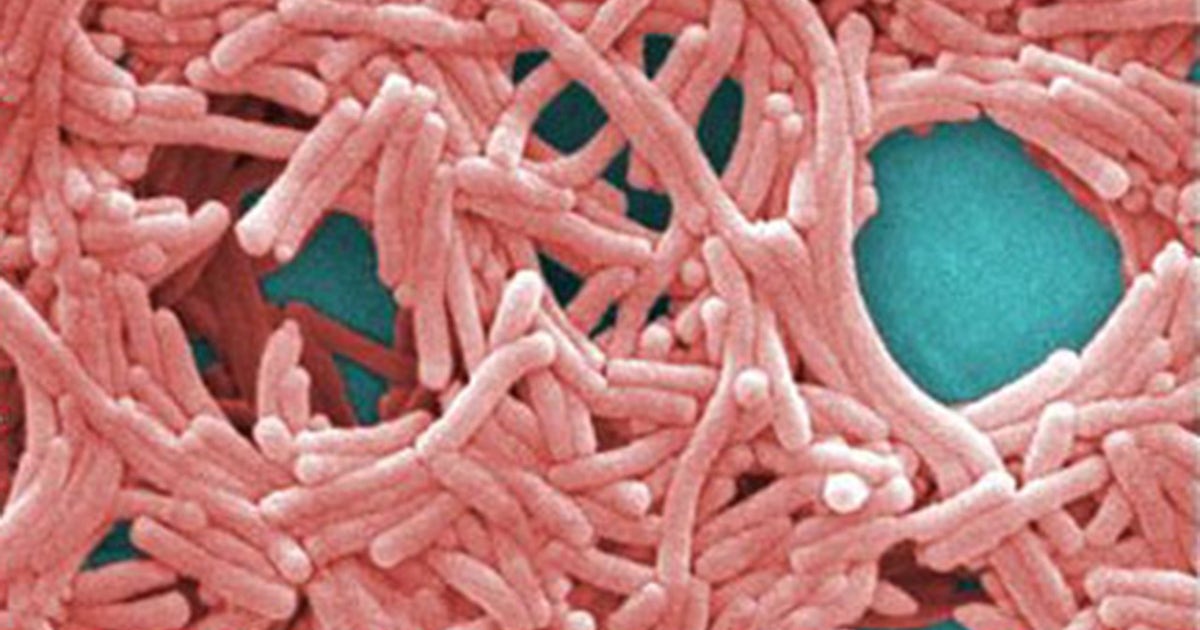
Legionnaires’ disease is a type of pneumonia caused by Legionella bacteria, which can grow in warm water. People can become sick when they breathe in water vapor, or mist, that contains the bacteria.
The disease is not contagious, meaning it does not spread from person to person. New York City health officials said people cannot get Legionnaires’ disease from drinking water, cooking or using air conditioning. The bacteria also does not spread through cooled air from air conditioners.
Symptoms to watch for
Why you should care:
Symptoms can include fever, chills, muscle aches and cough. People may also experience headaches, fatigue, loss of appetite, confusion or diarrhea.
Health officials said anyone who lives or works in the affected area, or anyone who has visited the area since late June, should contact a health care provider immediately if they develop flu-like symptoms such as cough, fever or difficulty breathing.
Who is at higher risk?
Most people exposed to Legionella bacteria do not develop Legionnaires’ disease. People are at higher risk if they:
Are 50 or olderSmoke or vapeHave chronic lung diseaseHave a weakened immune systemTake medicine that weakens the immune system How the city investigates
The Health Department said common sources of exposure in community clusters can include cooling towers, hot tubs and spray fountains.
When multiple people in the same building get Legionnaires’ disease, the exposure is often tied to a shared plumbing system, most often hot water. Health officials said that is not the issue in this Upper East Side cluster.
Building owners in New York City are required to register cooling towers and routinely test them for Legionella.