
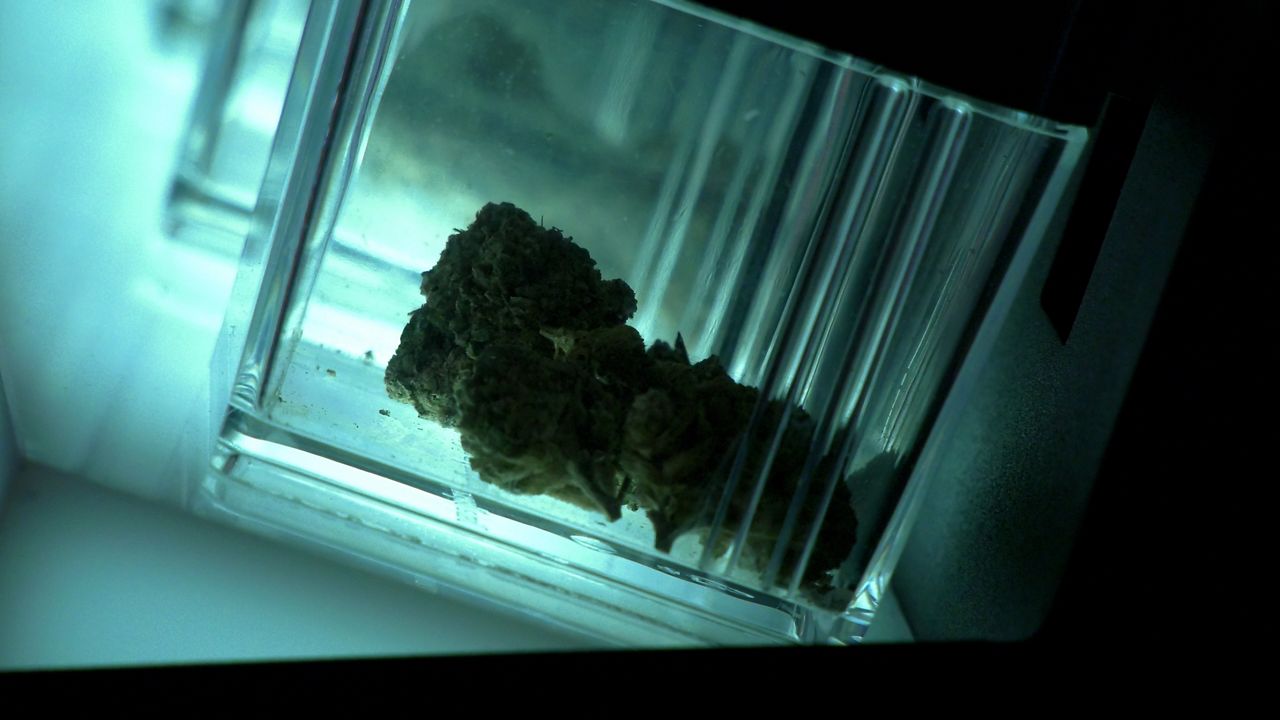
Five years after New York state legalized adult‑use cannabis, state officials say more young people are being exposed to the drug, even though it remains illegal for anyone under the age of 21.
The Office of Cannabis Management, working with the state Department of Health, is studying how to better prevent underage use as legal sales expand and cannabis‑related emergency visits show new trends.
Royal Flower Cannabis Dispensary, located in a plaza near several schools, is one example of how legal shops say they are trying to keep their business out of view of children.
“OCM has put a lot into play to try not to attract children to the cannabis industry, as far as tinting the windows, putting child safety locks on products,” employee Hope Paige said.
Employees at Royal Flower say they follow all state rules, including checking IDs at the door, locking products in a back room and ensuring every item has child‑resistant packaging and clear labels before it reaches a customer.
“Once they take it home, obviously there’s nothing we can do about how they decide to use it and who they decide to share it with,” employee Cameron Richardson said. “But obviously, you want to encourage people not to share it with anybody underage, and you want to tell them to keep it out of reach of children and keep the package sealed.”
State regulators say youth access can happen in many ways, from family and friends to unregulated sellers, but they see limiting promotion to young people as a critical step.
A recent report from the Office of Cannabis Management found that younger New Yorkers often see cannabis in social media feeds, music videos and other online content, even though major platforms say they restrict drug sales.
In a statement, Meta, which owns Facebook and Instagram, said it does not allow content that attempts to buy, sell, trade or gift marijuana or THC products, and that it took action against nearly 4 million pieces of drug‑related content in 2025. State officials say it will take more than platform policies to keep kids safe.
“Formal cannabis education often starts in the later mid‑teen years in health class,” said Lyla Hunt, director of public health and education, OCM. “And yet, New Yorkers, young people, are telling us we knew about this. It reached our sort of consciousness at age nine, age ten. And so we need to get started a lot earlier.”
Officials say legal products in New York are required to be lab‑tested, clearly labeled and not designed to appeal to people under 21, protections they say don’t exist in the unregulated market.
As state agencies expand public education efforts, dispensary workers say they want adults to treat cannabis like any other adult‑only product: keep it locked away, talk openly with kids about the risks and avoid sharing it with anyone underage.