
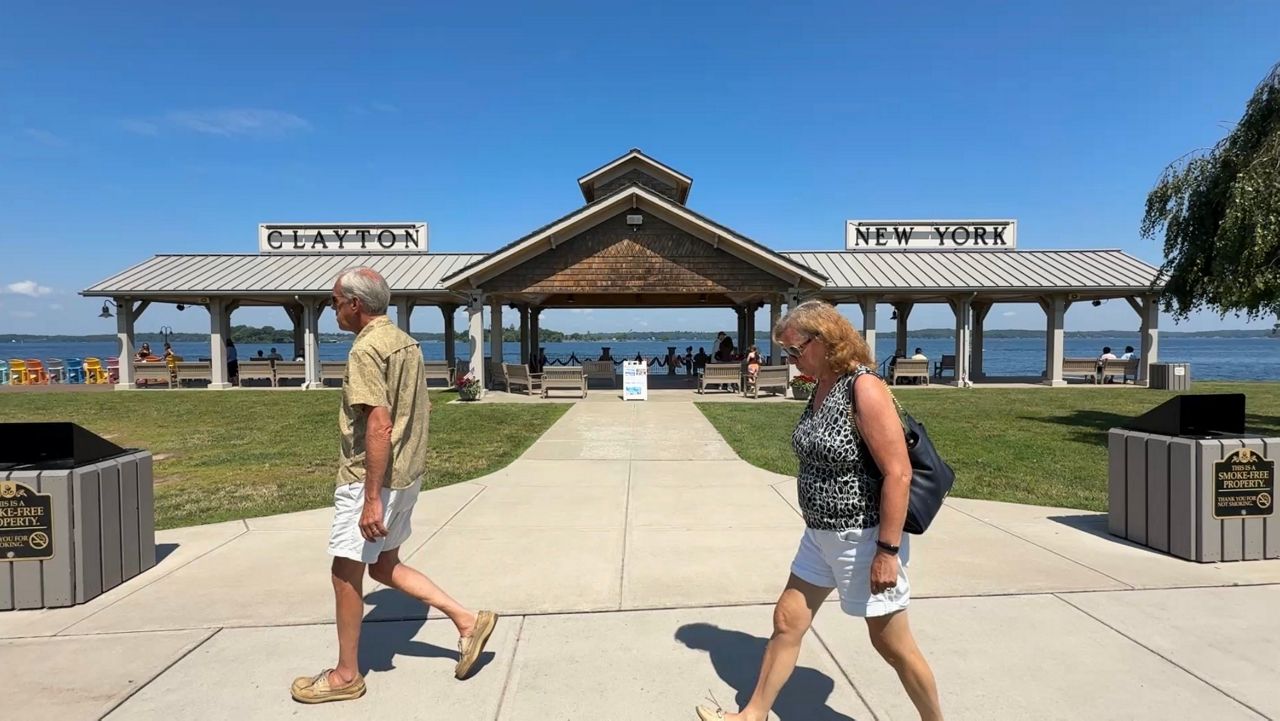
An environmental organization named Save the River advocates for the St. Lawrence, which it says is battling pollution.
What You Need To Know
Save the River says the St. Lawrence River is critical to the economy and the environment
The Environmental Protection Agency says at times, the river can be moderately to heavily polluted
From trash and medication to industry run off, Save the River wants people to be more aware of the river and what is going in it
“The St. Lawrence River is such a critical resource for us,” Bridget Wright said. “Not only does it supply our drinking water, it’s home to an entire ecosystem, and it’s everybody’s favorite summer recreation spot. That’s why we have to protect it.”
Wright is the executive director of Save the River.
“It has been polluted over the last couple hundred years,” she added.
From industry and a major oil spill 50 years ago, to everyday users.
“It was devastating,” Wright said. “There was many, many, many deaths of fish and birds and wildlife.”
Save the River hosts a trash cleanup every year. It finds everything from small plastics to tires, and once even a washing machine.
“The river is actually alive,” she added. “Every time there’s pollution or new pollution and coming in it, it hinders that.”
In addition, Wright says studies show a surprising amount of people flushing medications. She says this river is full of ibuprofen.
“Wastewater treatment plants just can’t get all of the microtoxins and the microchemicals,” she said. “It can’t get all of it.”
Then there’s what she calls the unintentional, like toxins, such as chemical fertilizers and pesticides used in lawns and farm fields.
As big companies come to town, like industry such as data centers, she says communities need to remain vigilant with environmental requirements.
“I really don’t like the apologize later,” she said. “Just go ahead and do it and apologize later. Because what [when] apologize later happens in this situation is you now have very polluted water and people are getting sick. And really there’s no apology for that.”
It’s up to everyone, she says, to keep this resource she believes so much in and is so important to the region, healthy.
Wright says one great way to keep run off from reaching waterways is to plant a small rain garden to absorb water, while native trees and vegetation can filter the toxins and protect wetlands.