
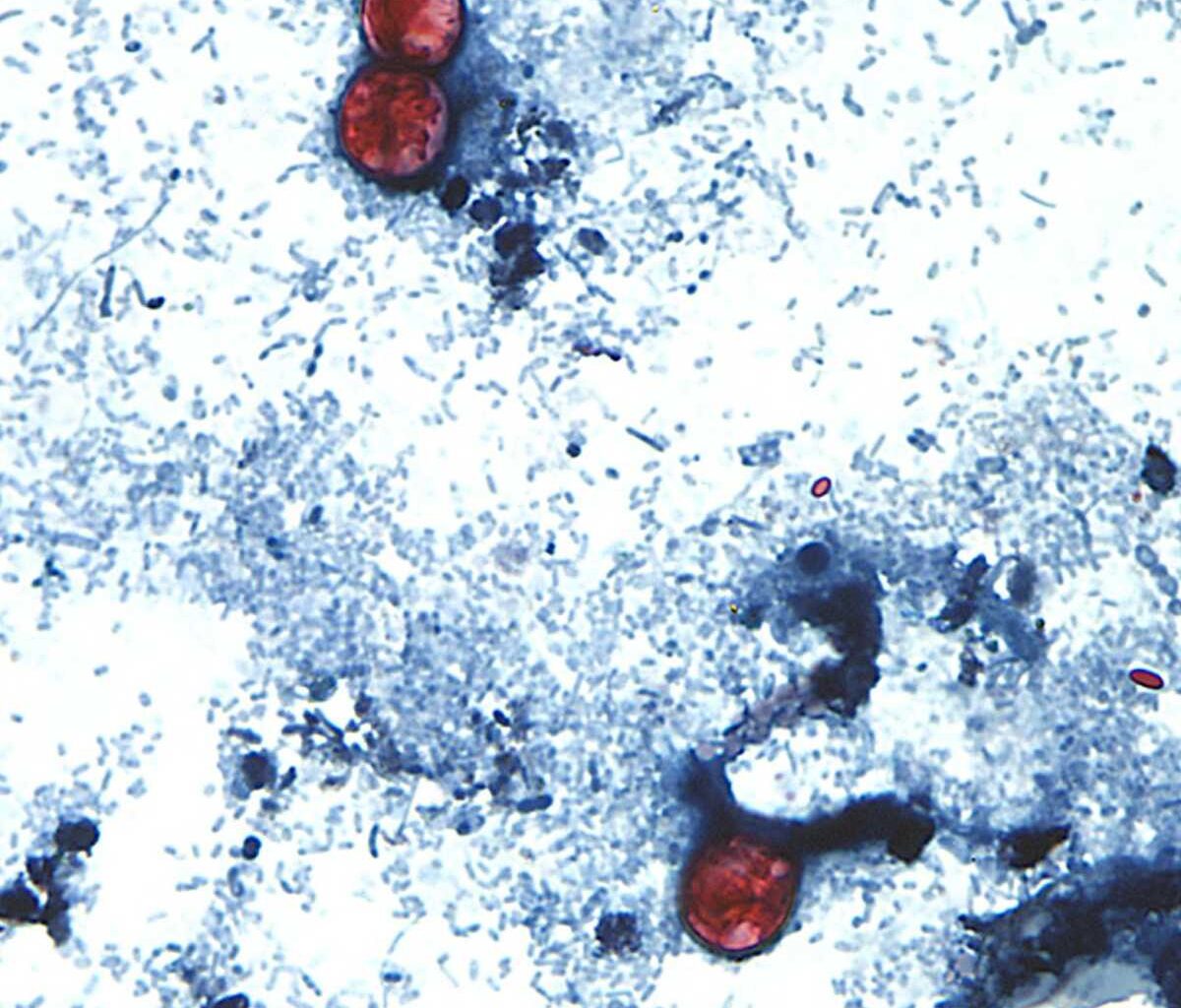
The parasite Cyclospora, which is often found on leafy greens and fresh vegetables, can cause intense, prolonged, watery diarrhea, stomach cramps, muscle aches, tiredness and a low grade fever with symptoms persisting at times for around a month.
So, to keep themselves safe New Yorkers are ditching salads potentially laced with the diarrhea-causing bacteria and returning to NYC faves like pizza, bagels and pastrami— all of which are fully cooked, though not always great for the waistline.
Associate Professor at New York Medical College, Dana G. Mordue, Ph.D. is an expert in parasitic infections. In a conversation with amNewYork Wednesday, she took a mental inventory of the food in her refrigerator that’s making her think twice.
“ I actually have some washed lettuce that the name of the manufacturer was even actually listed as a possible suspect,” Mordue said. “So that’s going in the trash.”
Mordue said that health departments are trying to trace the source of the outbreak, but because Cyclosporiasis can incubate in the human body for a few days up to around a week before symptoms begin, it can be one of the trickier foodborne illnesses to trace.
“ It’s very hard when you’re talking to somebody: what have you had in the last week?” Mordue said. “And trying to trace all the different things that somebody may have eaten during that week-long period, they’re having trouble sorting out where this stuff is coming from.”
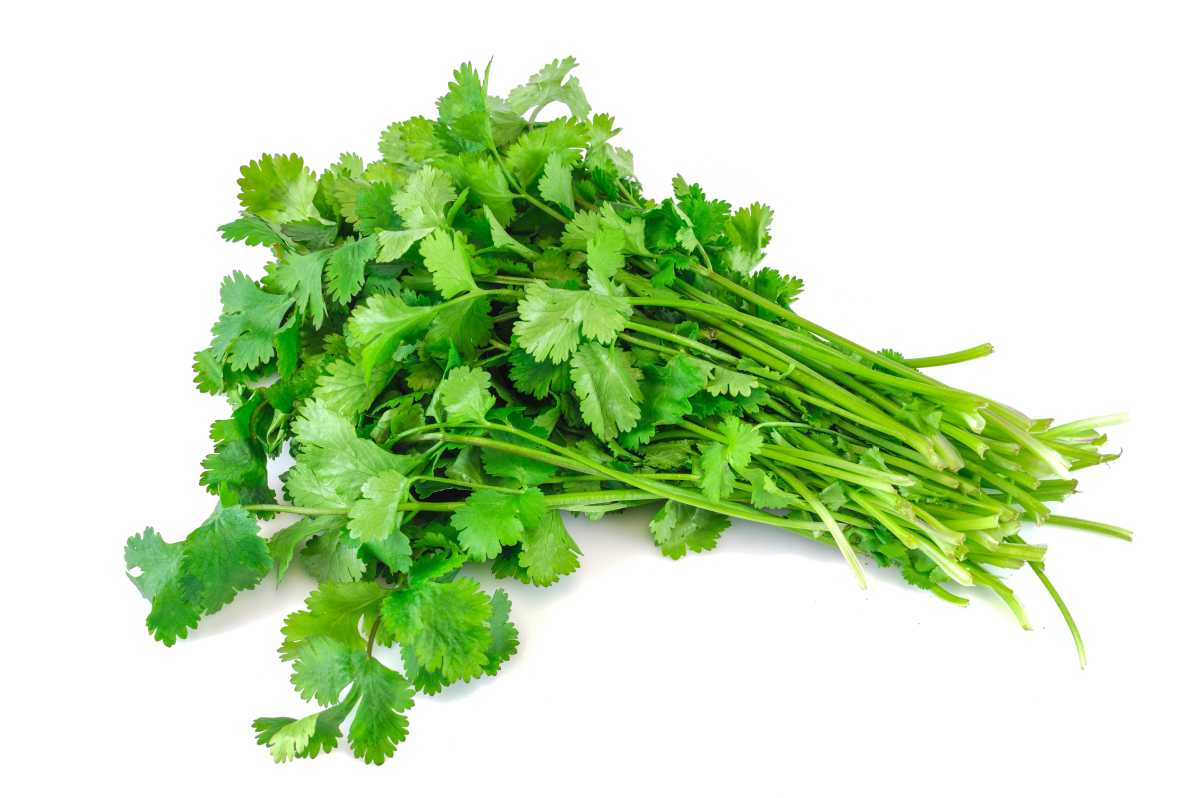 If you happen to like fresh cilantro, you might want to avoid it for a while, as numerous Cyclosporiasis cases have been tied to the herb.Photo via Getty Images
She says the safest bet is to avoid the foods commonly associated with Cyclosporiasis, such as cilantro, bagged mixed salad greens, onions, basil, snow peas, and raspberries. Mordue described the parasite as being “embedded” itself in the waxy coating foods, especially leafy greens, saying that thoroughly washing fresh vegetables is not a “foolproof” method.
For New Yorkers unwilling to abandon their commitment to healthmaxxing, Mordue gave a small plug for locally grown produce.
“ If you have the option of having the vegetables and fruits from your own garden right now or from a local farmers market, you probably have less risk for those,” She said. “Because it’s something probably more centralized or something being imported that’s causing it.”
Medical treatment necessary for cyclosporiasis infection
Doctors like the Chief Medical Officer of Emblem Health, Dr. Daniel Knecht, emphasized seeking testing and treatment for suspected cases of Cyclosporiasis.
“With Cyclospora, the most important thing is not to ignore symptoms,” Knecht said. “If you develop persistent, watery diarrhea, stomach cramps, nausea, fatigue, or loss of appetite, especially after eating fresh produce, contact your health care provider and ask whether testing for Cyclospora is appropriate.”
As most foodborne illnesses exhibit many of the same symptoms, doctors said it’s difficult to diagnose based on symptoms alone. Given that intense, watery diarrhea, stomach cramps and other uncomfortable symptoms may last for weeks, testing and treatment may significantly shorten what appears to be the opposite of a good time.
Data released by NYCDHMH shows that reported cases in New York have been slowing in the past few days. Mordue expressed a cautious optimism about the trend, saying fewer cases could indicate that the outbreak is winding down, but it could also be due to more consumer awareness.
“[This] number going down right now could imply that [Cyclospora] is clearing itself out and it was just a spike and now it’s no longer going to be there,” Mordue said. “Or that people are being more careful about what they’re consuming and thus dropping the risk.”
The duration of the parasite’s presence in the food system, she said depends largely on how it’s being introduced. A single source, such as one specific produce type or a water source would mean a shorter spike in cases, however if the parasite was introduced at some point during food processing, it could mean a longer outbreak with, “ebbs and flows” in reported cases.
One possible contributing factor to the outbreak or its duration was the decision, under the direction of Health Secretary Robert F. Kennedy Jr., to stop monitoring Cyclospora, along with five other foodborne illnesses through the Foodborne Diseases Active Surveillance Network (FoodNet), a CDC led state and federal partnership to monitor common foodborne illnesses across the country.
“ It is possible that it’s not being regulated as carefully as it has been in the past at the federal level,” Mordue said. “And so that’s why you’re seeing more states actually being proactive on this with their scientists and their distribution systems.”
So far, the outbreak has spread to over 30 states, with the CDC reporting nearly 7,000 confirmed and suspected cases nationwide.
“My understanding is in a normal year, you’re probably looking at about anywhere from 50 to 1,000 cases in the US,” Mordue said. “So this, this is a big, big outbreak.”