
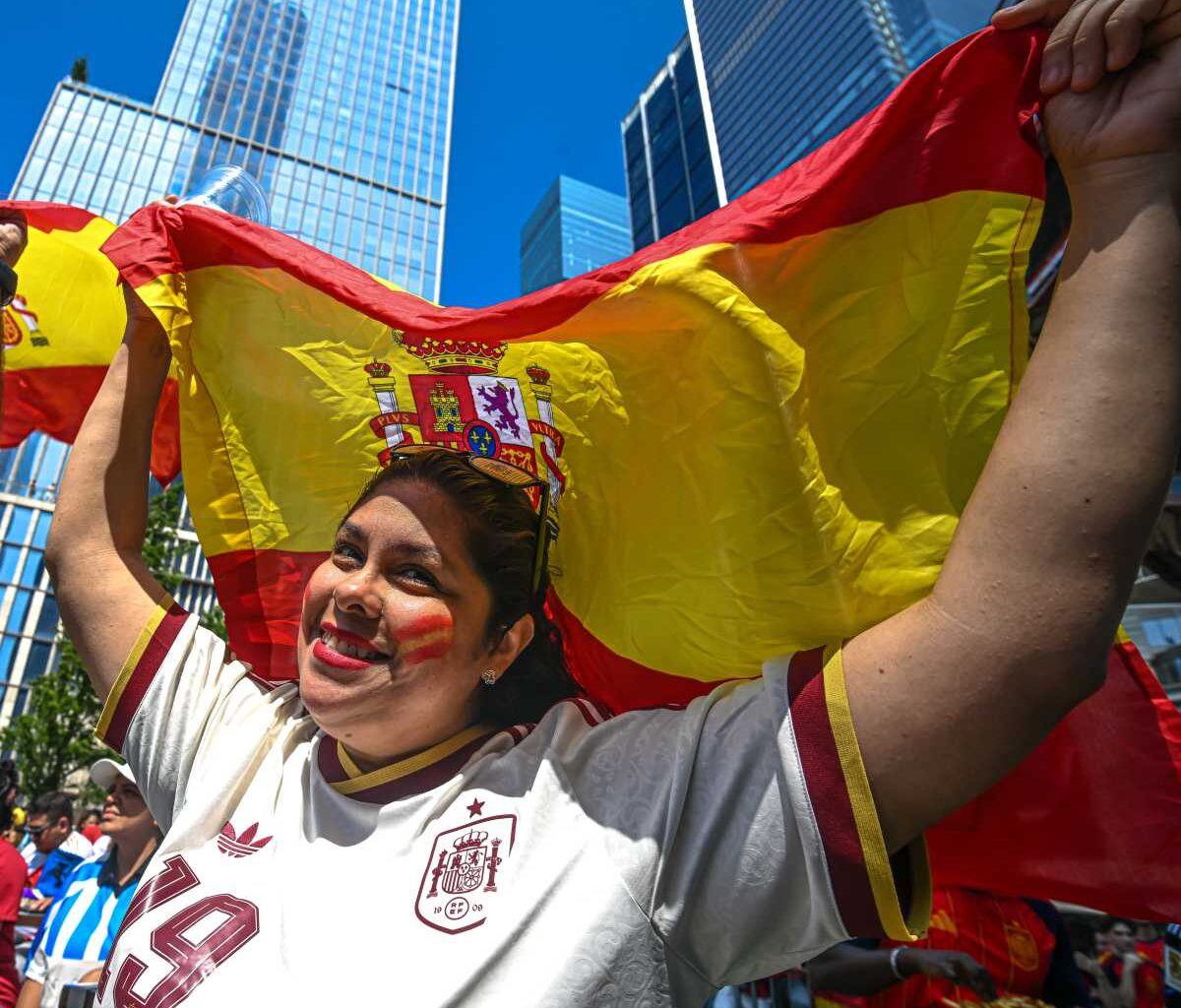
The 2026 FIFA World Cup has come and gone, and New York City, as expected, served as an excellent host for one of the world’s biggest sporting events.
Even though the Final match was played across the Hudson River at MetLife Stadium, the World Cup brought much-needed economic benefits to New York’s many hotels, restaurants and bars, according to a report from the New York City Hospitality Alliance.
The report found that venues which aired World Cup matches between June 11 and July 19 saw a 63% increase in sales. More than half of the venues hosted watch parties that drew in new business. Because of the bigger crowds, nearly half of the businesses said they also made key upgrades to television and a/v equipment, and/or hired more staff or expanded shifts.
All of this came on the heels of the Knicks’ incredible run to the NBA championship, its first in 53 years, which also boosted business at restaurants, bars and other venues hosting watch parties in most parts of the city.
It wasn’t smooth sailing for everyone. The alliance’s report also found that businesses impacted by street closures, delivery disruptions, operating restrictions, and uneven communication with the city also proved costly to businesses.
This is especially true for businesses around Madison Square Garden, which had to contend not only with travel and crowd restrictions during the NBA Finals and the World Cup, but also during the marriage of Taylor Swift and Travis Kelce at “The World’s Most Famous Arena” on the Fourth of July.
New York is a city of big events, and there will be more to come in the years ahead. Eventually, another big sports team in this city will pursue a long-elusive championship. Last month, Gov. Kathy Hochul also pitched the idea of having New York and Lake Placid present a combined bid to host the 2042 Winter Olympics.
What City Hall needs to do now is not just plan for the next big event, but learn from the experiences that the World Cup and Knicks’ title run provided. This includes re-reviewing transportation plans to make sure public transit options are not only fast, frequent and affordable, but also boost, rather than inconvenience, nearby businesses.
City Hall should also increase its efforts to lure other major sporting events, difficult though that may be, given that this side of the Hudson River lacks a large indoor football stadium that could host the Super Bowl, the NCAA basketball and football championships, and potentially another World Cup.
It should work with its partners in New Jersey to bring such big-ticket events to the area and develop a game plan to replicate the success the 2026 World Cup brought not just for the teams that played, but for the small businesses of New York.