

For many years, New York’s transportation industry has been sounding the alarm over the state’s auto insurance crisis. Taxi fleets, black car operators, buses, delivery companies, and countless small businesses have struggled under rapidly rising premiums that far outpaced inflation.
Many operators have reduced service, delayed fleet investments, or left the industry altogether as insurance became one of their largest operating expenses. Many factors, including medical inflation, increasingly complex litigation, organized insurance and medical billing fraud and higher repair costs have all contributed to rising premiums. For years, policymakers have ignored the evidence and the transportation industry’s pleas for help.
However, this past year was different, and we finally started to address this crisis.
Recognizing the need for comprehensive, evidence-based, solutions, the University Transportation Research Center (UTRC) worked with transportation stakeholders to produce two reports examining New York’s insurance market and identifying the factors contributing to escalating costs.
The NYC Taxi & For-Hire Vehicle Insurance Crisis: Root Causes and Proposed Reforms, and Curbing the Limousine Insurance Crisis: For-Hire Vehicle Insurance Reform document the growing impact of staged accidents, fraudulent claims, litigation abuse, and inconsistent enforcement while offering practical recommendations to improve transparency, strengthen fraud prevention, modernize insurance regulations, and stabilize the marketplace. No single reform will solve the problem; meaningful progress requires coordinated action by government, insurers, law enforcement, and the transportation industry.
Since those reports were released, the evidence has only become stronger. Federal and state prosecutors have uncovered major insurance fraud rings operating in and around New York City involving staged crashes, fraudulent medical providers, and organized criminal enterprises designed to exploit the no-fault insurance system.
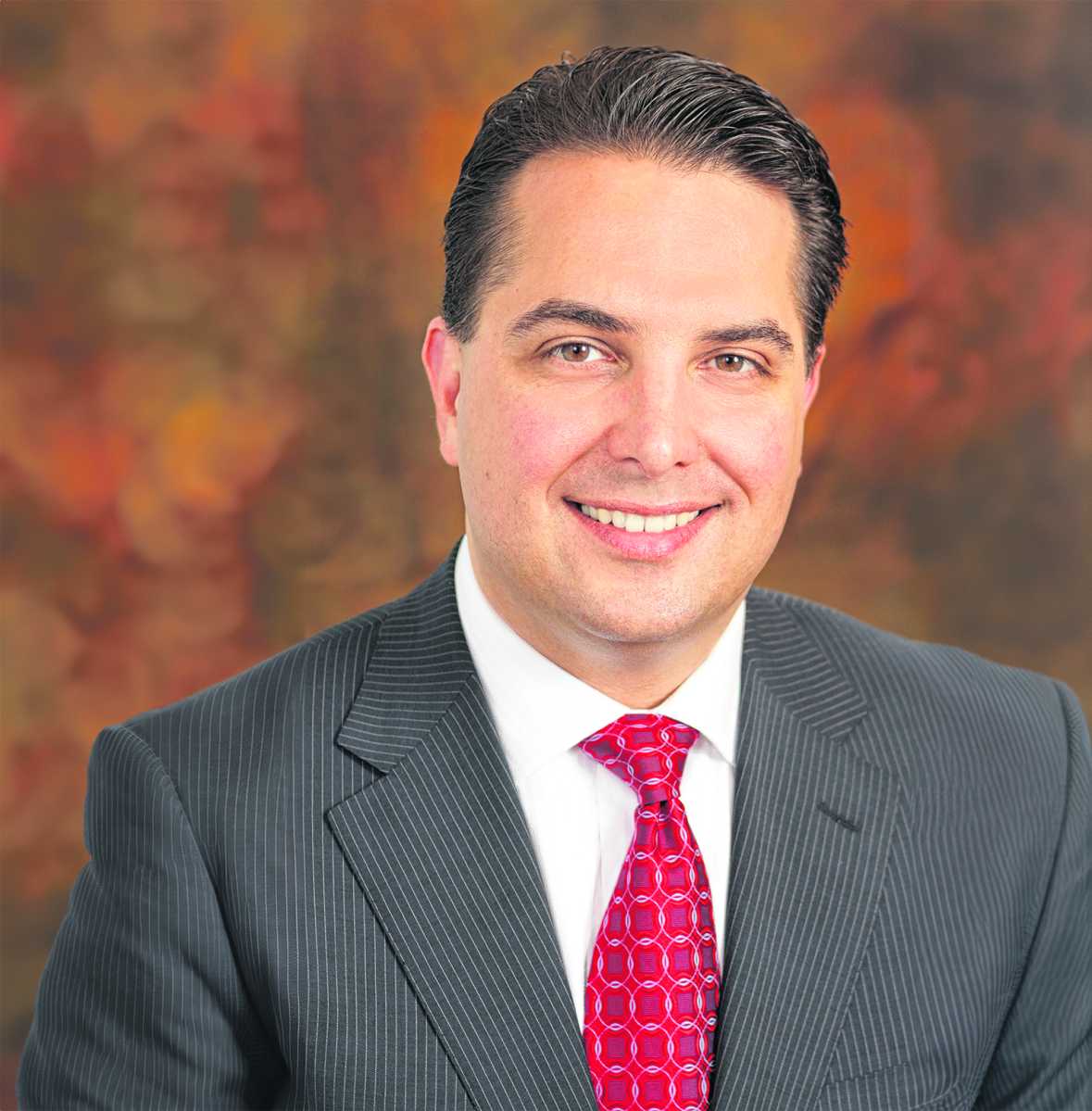 Matthew Daus
The broader trend clearly shows that organized fraud has become a significant cost driver affecting transportation providers, insurers, and ultimately every New Yorker who purchases auto insurance.
In New York City, the data and recommendations developed through the UTRC insurance reports helped inform discussions that led to the City Council’s passage of Intro. 1050, in July 2025, reducing the Personal Injury Protection (PIP) requirement for TLC-licensed vehicles.
While New York State requires $50,000 in PIP coverage for private drivers, the City’s laws had required an additional $150,000 in coverage for taxis and for-hire vehicles. Effective July 1, 2025, as recommended in the UTRC’s report, the City reduced the maximum required PIP coverage to double the state threshold for private drivers, or $100,000, providing relief to commercial operators while maintaining consumer protections.
Against this backdrop, Gov. Kathy Hochul and the state Legislature deserve credit for advancing one of the most significant packages of motor vehicle insurance reforms New York has adopted in years. The enacted budget addresses multiple aspects of the insurance system simultaneously. The reforms expand the criminal definition of insurance fraud to include individuals who organize or encourage staged crashes; simplify the definition of serious injury; cap certain non-economic damage awards for uninsured, intoxicated, and felony drivers; adopt a modified comparative negligence standard for motor vehicle cases; and require prior approval before insurers implement most private passenger auto insurance rate increases.
Perhaps just as important as the legislation itself is the urgency the Department of Financial Services (DFS) is bringing to its implementation.
In a recent guidance, DFS directed insurers to incorporate savings anticipated from these reforms into both pending and future rate filings, and to document exactly how those reductions are reflected in their actuarial assumptions by Aug. 31. Debates over insurance reform often end once legislation is signed into law. New York has taken the step of requiring insurers to create accountability by mandating transparency, so the public can evaluate the effectiveness of the reforms.
The work is far from finished. Prosecutors must use the new tools to deter staged crashes. Regulators should closely monitor how insurers incorporate these reforms into their pricing models. Additional reforms may be warranted as policymakers evaluate the impact of the current package. The transportation industry must continue explaining how insurance costs affect mobility, affordability, and economic opportunity.
Still, after years of discussion, New York has demonstrated that meaningful insurance reform is possible when policymakers rely on evidence, engage stakeholders, and pursue practical solutions. The UTRC reports helped frame the issues, industry organizations advocated for change, law enforcement exposed increasingly sophisticated fraud schemes, and state leaders ultimately translated those lessons into legislation.
The challenge now is ensuring these reforms deliver what they were designed to achieve: lower costs, stronger enforcement against fraud, a healthier insurance marketplace, and a transportation system that remains affordable and sustainable for businesses, drivers, and the millions of New Yorkers who depend on it every day.
While these reforms are a great start, we still have a long way to go to not only implement these changes, but to build on them with more reforms next legislative cycle. Insurance needs to become affordable for everyday New Yorkers, and we must now roll up our sleeves and work even harder while keeping the momentum going and maintaining the sense of urgency that got us here!
Matthew Daus is the transportation technology chair for the University Transportation Research Center, Region 2 (NY/NJ) at the City University of New York