
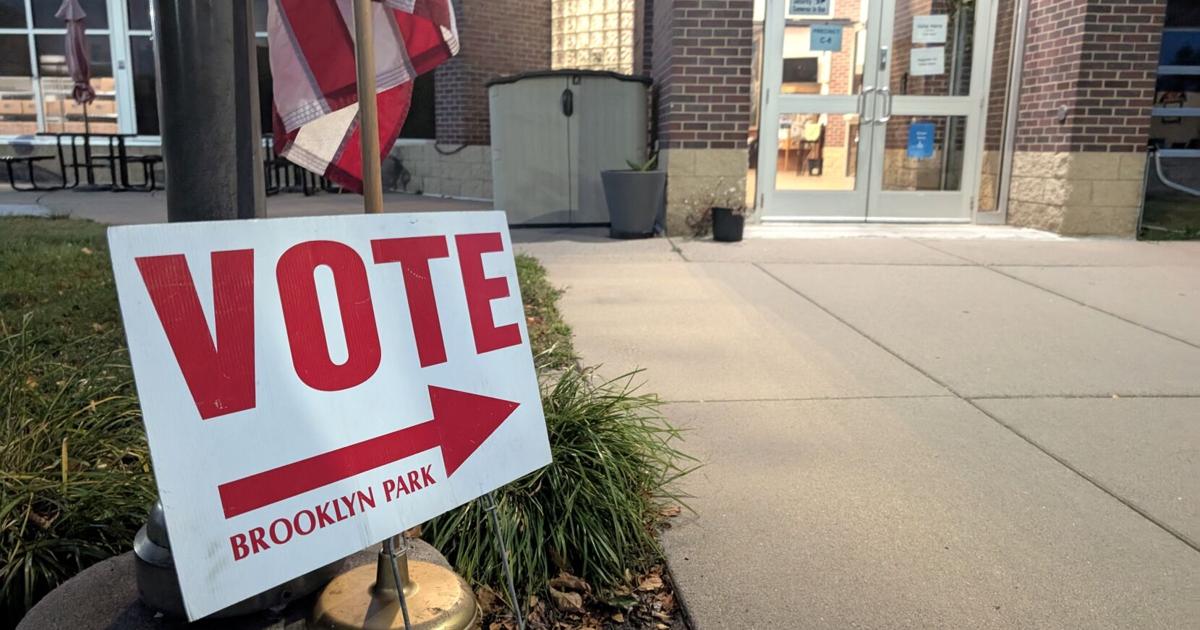
A primary election will help decide the next mayor of Brooklyn Park. On Aug. 11, a four-person candidate pool will be reduced to two candidates.
The candidates are Boyd Morson, Shelle Page, Maria Tran and incumbent Hollies Winston. All are current or former officeholders on the Brooklyn Park City Council.
The two top vote-getters will advance to the Nov. 3 General Election. The candidate who wins this fall will serve a four-year term beginning in January 2027.
For more information on voting, visit brooklynpark.org/elections.
Sun Newspapers reached out to candidates to compile this voter’s guide in advance of the primary election. Responses from all four candidates are below.

Boyd Morson
Boyd Morson
Current occupation
Retired Disabled US Navy Veteran.
Education
Associates Degree, Paralegal Certification, State Mediator Certification, Life learned lessons, common-sense.
What is one thing Brooklyn Park is doing particularly well right now, and what is one thing you think the city needs to actively improve?
Brooklyn Park is successfully prioritizing its youth through the development of the long-awaited “The Wood” community center. While this is a positive step, we must triple our investment in youth programming and after-school activities. Providing structured, supervised environments for our 30,000 young residents is essential to keeping them engaged, reducing crime, and improving overall community safety. We must ensure our youth have accessible, meaningful opportunities outside of school hours to thrive and succeed.
Brooklyn Park is sometimes referred to as a regional leader. How do you view the city’s role, and by extension, the role of its mayor, in relation to surrounding communities?
I view Brooklyn Park as an established regional leader, a status that should be treated as an undeniable fact rather than a tentative possibility. As the next mayor, I will leverage my existing relationships with our surrounding communities to foster deeper regional collaboration and ensure we continue to build a stronger, more prosperous city with a working blueprint that other municipalities will follow.
From the Brooklyn Boulevard Corridor Plan to the BioTech Innovation District, Brooklyn Park could see substantial development in the coming years. In your opinion, what does “responsible” or “ideal” growth look like in Brooklyn Park?
For me, ideal growth in Brooklyn Park means intentionally attracting new businesses and supporting existing ones to expand our commercial tax base. By prioritizing this economic development, we can alleviate the tax burden on residents while building a stable, vibrant, and sustainable future for our community. Achieving this vision requires us to make proactive, strategic decisions today that lay the groundwork for long-term prosperity.
What is the best way for voters to contact you?
Shelle Page
Shelle Page
Current occupation
Mortgage Lender.
Education
No answer.
What is one thing Brooklyn Park is doing particularly well right now, and what is one thing you think the city needs to actively improve?
It is hard to name just one thing. From the programs and new facility at Zanewood to our outstanding emergency services and dedicated city staff, Brooklyn Park has so much to be proud of. Our strong commitment to youth and mental health initiatives is setting a standard that exceeds many other cities.
Where we can do better reflects a broader challenge across the country: the divisiveness in leadership must stop. We need to return to community — spending time with our neighbors and working together to support one another. By focusing on our strengths rather than our differences, we can move forward with unity and purpose.
Brooklyn Park is sometimes referred to as a regional leader. How do you view the city’s role, and by extension, the role of its mayor, in relation to surrounding communities?
Collaboration matters. Conversations matter. We must work with surrounding cities, lawmakers, elected officials and residents to set a true example of inclusion. Through meaningful dialogue, we identify resources, build shared agreements and uphold fiscal accountability while working hard for current residents and the future of our city. Preparing our community for future generations of residents and leaders must remain a priority. Planning for costs today, with transparency and discipline, ensures long-term stability, responsible growth and continued opportunity for everyone who calls our city home.
From the Brooklyn Boulevard Corridor Plan to the BioTech Innovation District, Brooklyn Park could see substantial development in the coming years. In your opinion, what does “responsible” or “ideal” growth look like in Brooklyn Park?
Responsible growth in Brooklyn Park means being intentional, balanced, and forward-thinking. As we advance projects like the Brooklyn Boulevard Corridor and the BioTech Innovation District, we must prioritize sustainable development, a strong and diverse tax base, and long-term fiscal stability. Growth should attract businesses, support local entrepreneurs, and create opportunities for residents to live, work, and play right here. It also means investing in infrastructure, supporting public safety, and community amenities that build pride and connection. When done right, growth positions Brooklyn Park as the jewel of the north — a place people choose to call home.
What is the best way for voters to contact you?
Maria Tran
Maria Tran
Current occupation
Brooklyn Park City Council Member, West District.
Education
Associate of Arts and Sciences.
What is one thing Brooklyn Park is doing particularly well right now, and what is one thing you think the city needs to actively improve?
One thing Brooklyn Park is doing particularly well is embracing its diversity and investing in community amenities, parks, trails and programs that bring people together. These assets make our city an attractive place to live and raise a family.
One area that needs improvement is rebuilding public trust through greater transparency, accountability and resident engagement. Residents deserve a government that welcomes questions, listens to concerns and makes decisions openly. Strong public trust leads to better collaboration, stronger neighborhoods and more effective solutions to the challenges our city faces.
Brooklyn Park is sometimes referred to as a regional leader. How do you view the city’s role, and by extension, the role of its mayor, in relation to surrounding communities?
Brooklyn Park has an important role as a regional leader because of its size, diversity and economic potential. The mayor should work collaboratively with neighboring cities, Hennepin County, schools, businesses and community organizations to address shared challenges such as public safety, transportation, housing, workforce development and economic growth. At the same time, the mayor’s first responsibility is to Brooklyn Park residents. My approach is to build partnerships that bring resources and opportunities into our city while ensuring that local decisions remain transparent, accountable and focused on the needs and priorities of the people we serve.
From the Brooklyn Boulevard Corridor Plan to the BioTech Innovation District, Brooklyn Park could see substantial development in the coming years. In your opinion, what does “responsible” or “ideal” growth look like in Brooklyn Park?
Responsible growth in Brooklyn Park means development that benefits current residents as well as future generations. Growth should expand the tax base, create quality jobs, support local businesses and improve city services without shifting excessive costs onto homeowners. Development decisions should be transparent, data-driven and guided by meaningful community input. We should invest in infrastructure, public safety, parks and transportation while preserving neighborhood character and environmental sustainability. The goal is not growth for growth’s sake, but growth that improves quality of life, strengthens economic opportunity and ensures that the benefits are shared fairly across the entire community.
What is the best way for voters to contact you?
Hollies Winston
Hollies J. Winston
Current occupation
Mayor of Brooklyn Park, Consultant.
Education
B.A. Political Science – Northwestern University, M.B.A – University of Minnesota Carlson.
What is one thing Brooklyn Park is doing particularly well right now, and what is one thing you think the city needs to actively improve?
Brooklyn Park is keeping residents safe, and doing it well. Crime is at a 36-year low because we’ve fully funded our police, ranked officer pay among the metro’s top three, and invested in tools like body cameras and drones, while our Alternative Response Team better matches our response to the need. But we must keep improving on affordability. I led the fight to hold our levy increase to 4.54%, against an 8.7% statewide city average. To push it lower, we have to grow our commercial tax base through the BioTech Innovation District and workforce development, so homeowners carry less.
Brooklyn Park is sometimes referred to as a regional leader. How do you view the city’s role, and by extension, the role of its mayor, in relation to surrounding communities?
As Minnesota’s sixth-largest city, Brooklyn Park sets the tone for the northwest metro. That means leading strategic initiatives that meet our region’s needs. I built a 10-city coalition driving statewide reform on congregate care, winning resources that ease the strain these necessary homes place on our police and fire, while ensuring safe facilities. I helped found the Cities for Safe and Stable Communities, giving 26 cities one de-escalating voice through the metro surge. We partner with neighboring police departments to keep families safe, and I’ve built Capitol relationships that delivered $12.5 million for basketball courts while saving an ice rink.
From the Brooklyn Boulevard Corridor Plan to the BioTech Innovation District, Brooklyn Park could see substantial development in the coming years. In your opinion, what does “responsible” or “ideal” growth look like in Brooklyn Park?
Responsible growth strengthens our tax base, slows property tax growth and sustains our investment in public safety. That’s why I led the effort to establish the BioTech Innovation District, designed to create thousands of high-quality jobs and position Brooklyn Park as Minnesota’s life-sciences leader. Along the Brooklyn Boulevard corridor, our gateway into the city, state incentives we secured will bring the retail, restaurants and amenities residents deserve while supporting safer, active spaces. We’re also investing in youth: The Wood, our teen center, was 60% outside-funded. But growth must never outpace safety; we’ll keep working hand in hand with our Police.
What is the best way for voters to contact you?