
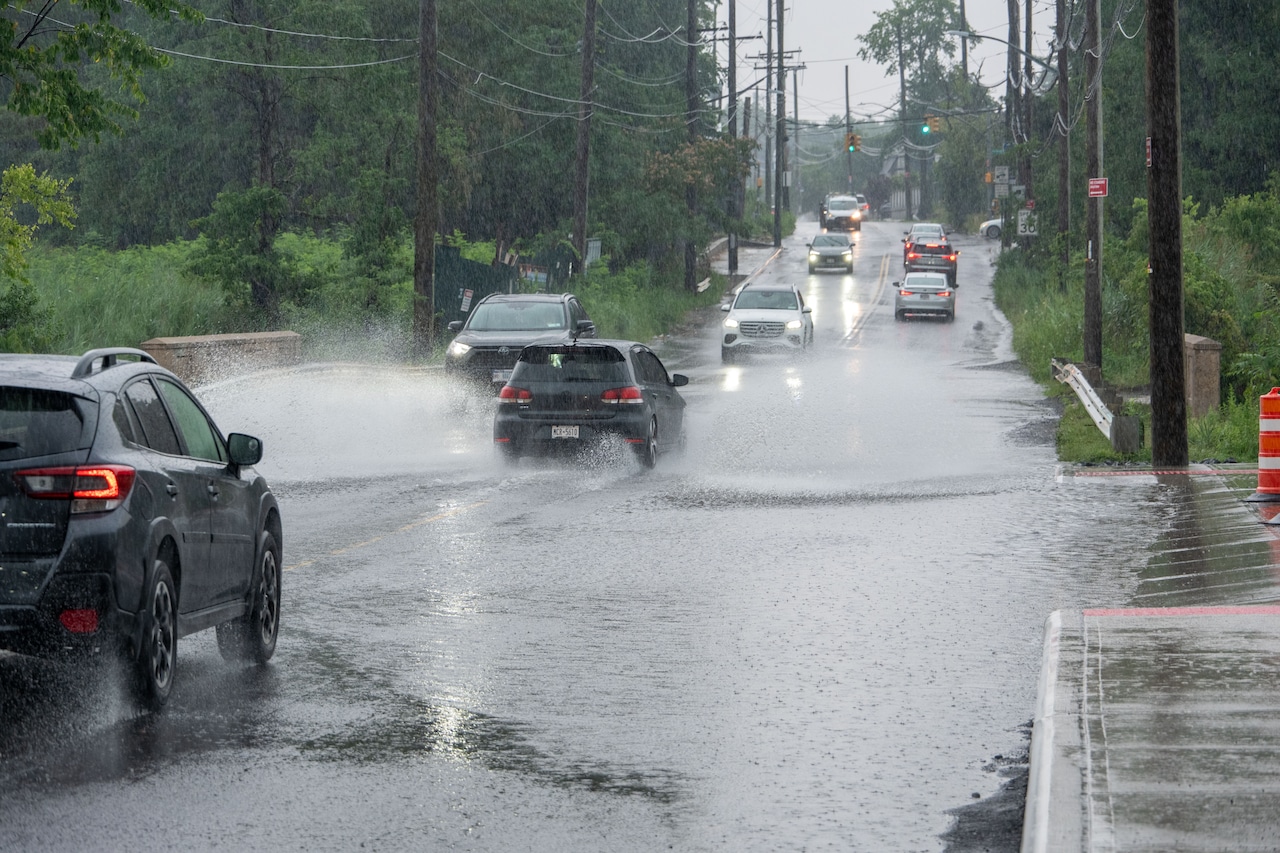
STATEN ISLAND, N.Y. — As summer storms continue to batter the borough, bringing repeated flooding and water damage, many Staten Island residents are turning to sandbags as a first line of defense against the water.
Flooding remains a recurring issue on parts of the Island, including Midland Beach, New Dorp Beach and Oakwood, which were devastated during Hurricane Sandy and continue to face flood risks during coastal storms and intense rainfall events.
More recently, severe thunderstorms have brought flooding to roads across Staten Island, with emergency responders called to assist stranded motorists and address storm-related incidents.
Next week, Staten Island is expected to see more storms on Tuesday, with heavy rain and strong winds.
“Some of those storms on Tuesday could be gusty with a threat for damaging wind gusts. So that’s kind of the day to watch if you’re worried about severe weather and such,” AccuWeather senior meteorologist Matt Benz said in an interview with the Advance/SILive.com.
According to AccuWeather, sandbags are only effective when properly filled, stacked and placed.
One of the most common mistakes is overfilling the bags. The weather site recommended filling sandbags only one-third to one-half full, since partially filled bags conform better when stacked, creating a tighter barrier against water. A filled sandbag typically weighs between 30 and 50 pounds, AccuWeather said.
When building a barrier, the forecasting site recommended removing debris from the ground first, laying bags flat and overlapping each bag by about half its length. For multiple layers, sandbags should be staggered like bricks in a wall to minimize gaps where water can seep through. It is also recommended that residents cover bags with heavy plastic sheeting, which acts as the water-resistant barrier.
According to AccuWeather, residents should focus on placing bags near the lowest and most vulnerable entry points, including exterior doors, garage doors, basement windows, vents and utility openings. Residents were also advised to avoid blocking storm drains, drainage channels or emergency access routes when deploying flood barriers.
Staten Islanders concerned about flood risks can check FEMA and New York City flood maps to determine whether their property is located in a flood-prone area and whether additional flood-prevention measures may be needed.