
New York City is all about competition and we welcome any new ride share apps to take on the duopoly of Uber and Lyft. But the newcomers have to follow all the laws and rules as laid down by the Taxi & Limousine Commission or there will be chaos on the streets.
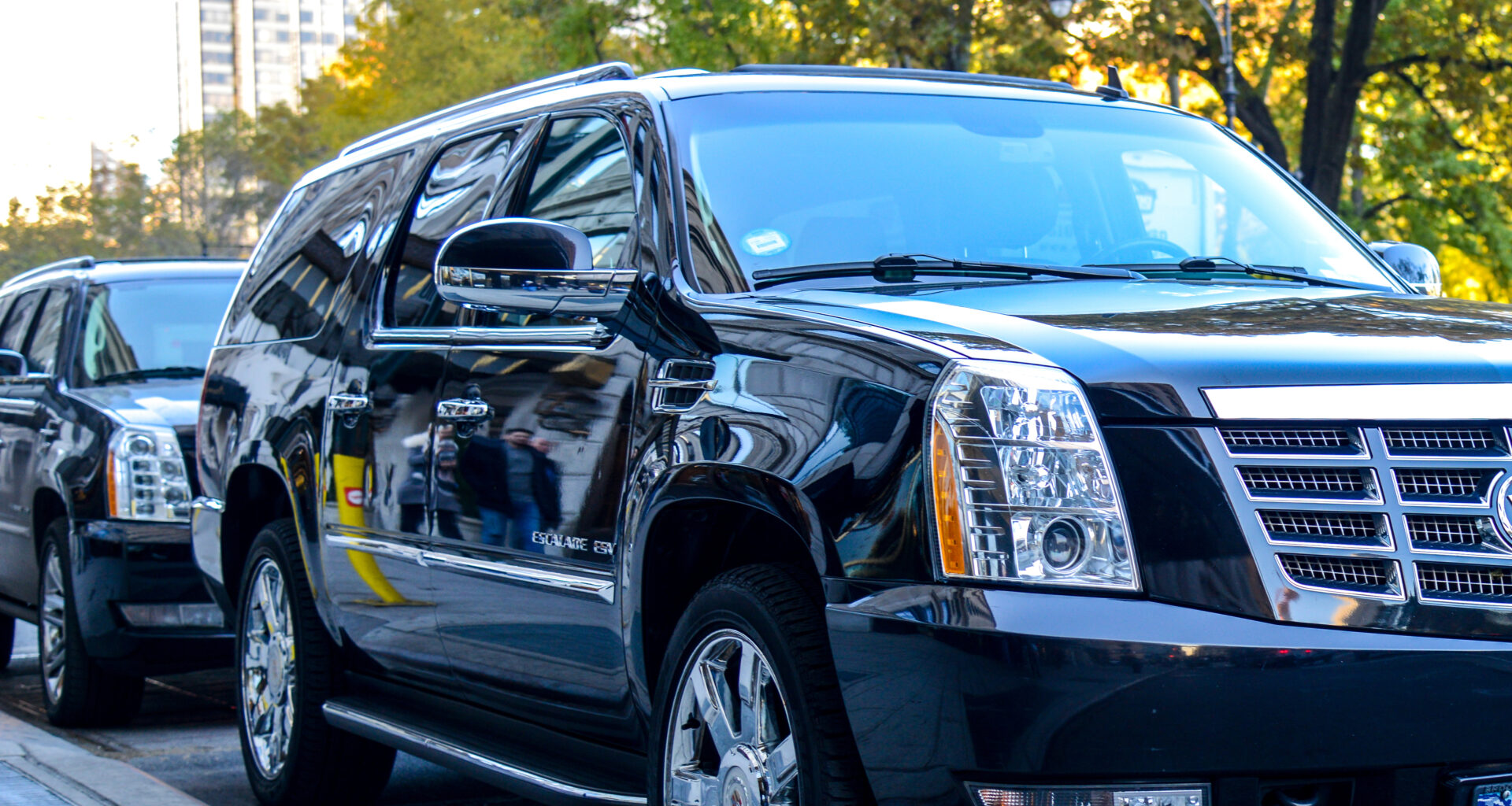
Wheely, which touts a premium or even luxury ride with chauffeurs and fancy vehicles and operates in London, Paris and Dubai, does not like the regulation that all For-Hire Vehicle Bases have to supply the TLC with pickup and drop-off locations for each trip, claiming it infringes on the privacy of their elite passengers.
Wheely, which has two bases, with the upscale London neighborhood names of Mayfair and Kensington (one with seven cars and the other with 10 cars) sued in federal court in February arguing that the rules violated the Fourth Amendment’s prohibition “against unreasonable searches and seizures.”
Manhattan Federal Judge Colleen McMahon would have none of it, correctly reasoning in April that New York City taxi service is a justifiably “pervasively regulated industry” and therefore the location of the trip starts and stops is reasonable. She is right and the TLC doesn’t know or care who the passengers are, elite or otherwise. But the TLC does need to know and care about the several thousand pounds of metal cruising around on publicly-owned streets.
Wheely, which has not supplied any data to the TLC since their first base license was approved last November, has now appealed McMahon’s ruling, as is their right. We suspect they will lose again and they can then ask the U.S. Supreme Court for a review, but it’s hard to see any Fourth Amendment violation here.
As she wrote: “Wheely is perfectly free to treat New York City as it has treated Moscow, not to operate here, and to leave the field to the many FHV services that are content to comply with the TLC’s perfectly reasonable rules. Or it can open for business and report as required by law. What it cannot do is persuade this Court that any of its arguments for why the TLC Rules are unconstitutional, or otherwise unlawful, has the slightest merit.”
Another newbie is taking a different approach. Throo, out of Singapore, started a month ago and is fully compliant with all TLC mandates and seeks to attract drivers with a lower commission rate than Uber and Lyft and attract passengers with lower fares. Good luck to them.
That’s a lot different than Empower, which has no base and is being sued by the TLC as an illegal app. Empower is not collecting taxes and fees as required. But the TLC isn’t the only party losing out when car services don’t follow the rules.
New York State loses tax sales income, the MTA loses congestion pricing money and the Port Authority loses the $5 pickup and drop-off fees at the airports. Where are the state attorney general and the MTA and the PA?
Canceling some hack licenses and seizing some vehicles would get the message out that everyone has to play by the same rules, be they new fangled apps, traditional livery cars, or community cars, black cars serving businesses or limos for fancy events.
Uber, with more than $50 billion in yearly worldwide revenues, has to operate differently in this city than anywhere else in the world (although London is similar). All drivers here must have TLC hack licenses and be subject to background checks and drug testing; all vehicles must be listed and registered with the TLC and carry special TLC plates.
Wheely or anyone else can charge passengers whatever they want (as long as it’s within the maximum file tariff). But all regulations, from driver pay, to an option for a wheelchair accessible vehicle (WAV), to pickup and drop-off data, must be followed to be street legal.