
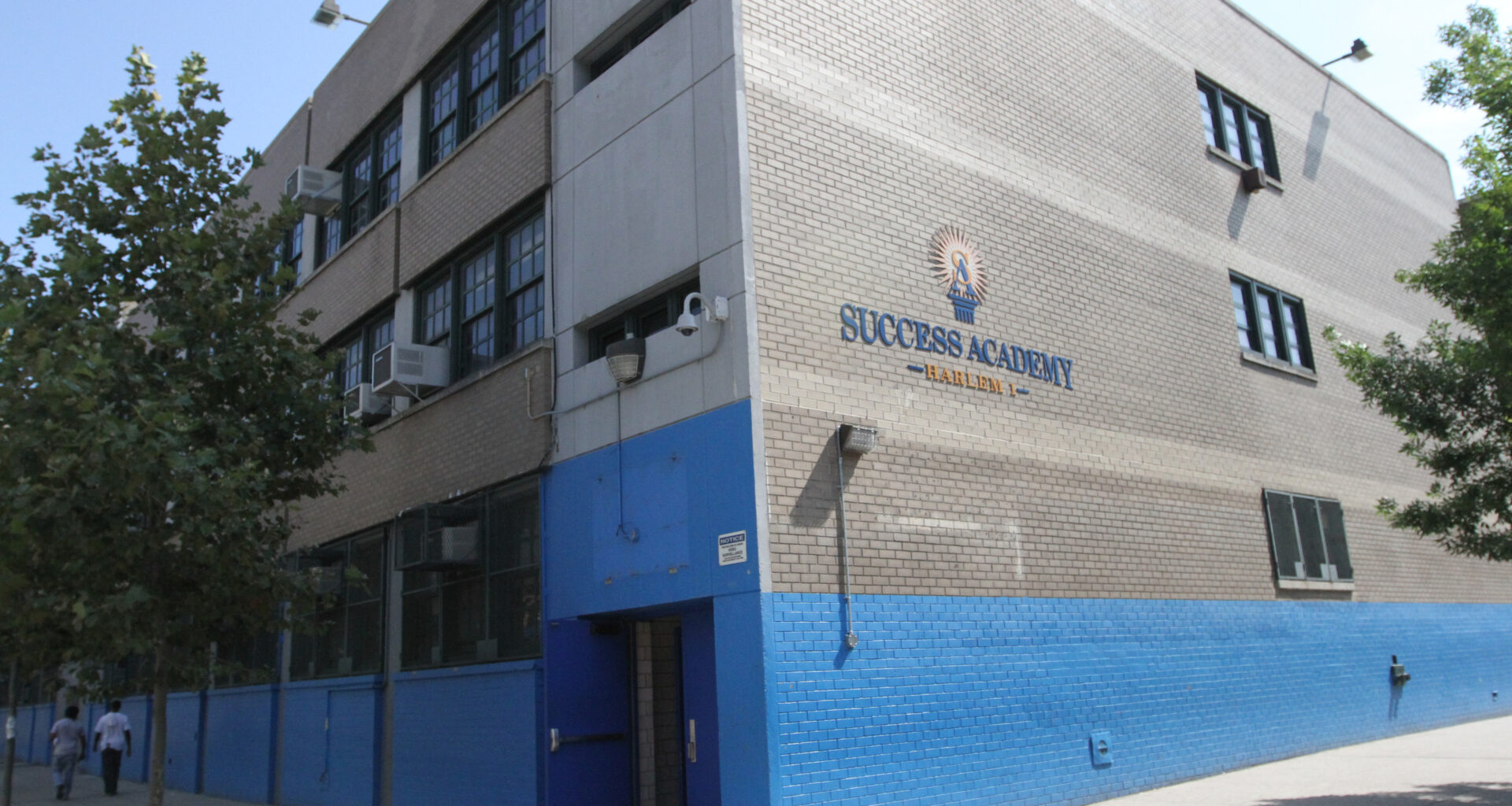
Success Academy’s latest “report” is a political document from a charter network with a direct financial, ideological, and institutional interest in undermining New York’s public education system.
The New York State Education Department recognizes both the urgency and the complexity of this work. We are committed to supporting schools, strengthening accountability, investing in improvement, and ensuring every student has access to the opportunities they deserve. But there is a difference between identifying challenges and weaponizing data to score political points.
That is exactly what Success Academy is doing.
Success Academy wants the public to believe its report is simply asking hard questions. But its timing and posture are neither neutral nor coincidental. This is not a civic-minded white paper. It is a campaign memo.
Success Academy has every right to defend its model. Its students and educators have, in some cases, produced strong test results. The question is not whether some students succeed at Success Academy. The question is what happens to the other students, families, educators, and public dollars that do not fit the Success Academy model?
No test score entitles a publicly-funded institution to throw stones at everyone else’s schools while standing in a glass house of its own unanswered questions.
Success Academy’s own audited financial statements show that in 2024-25, Success Academy Charter Schools–NYC paid more than $82.9 million in management fees to its affiliated network, based on a fee of $4,206 per full-time equivalent student. The same audit says approximately 91% of its revenue, support, and gains came through New York City DOE funding, and that it uses space and services provided by NYCDOE at no cost under the Charter Schools Act.
Success Academy says these management fees support curriculum, training, school operations, and shared services. But the larger accountability question is why a school network is moving more than $82 million a year through an affiliated central organization without line-item transparency.
That is public money. That is public infrastructure. That requires public accountability. When a publicly-funded school network benefits from public dollars, transparency must be the standard.
NYSED’s responsibility is to serve all students: students with disabilities, English language learners, students in temporary housing, newly arrived students, students who are behind, students who are excelling, and students whose success cannot be reduced to one test score.
New York needs honest conversations about student achievement. We should talk about literacy, math, chronic absenteeism, school climate, special education, graduation readiness, and whether students are leaving high school prepared for college, careers, civic life, and everything that comes next.
That is exactly why NYSED is doing the hard work of strengthening instruction, improving accountability, supporting schools, and advancing NY Inspires, a nation-leading shift in education policy that will ensure that a New York diploma reflects real readiness, rigorous learning, and more than a single moment in time.
But Success Academy’s report is a familiar, politically convenient, and intellectually lazy narrative: declare public schools broken, dismiss the work of educators, flatten the lives of students into a talking point, and then present charter expansion as the only answer.
Public schools are not campaign props. Students are not market share. And accountability cannot mean one standard for district schools and another for a well-connected charter network.
Success Academy’s report tells us less about New York’s public schools than it does about Success Academy’s ambitions.
O’Hare is the assistant commissioner for public affairs for the New York State Education Department.