
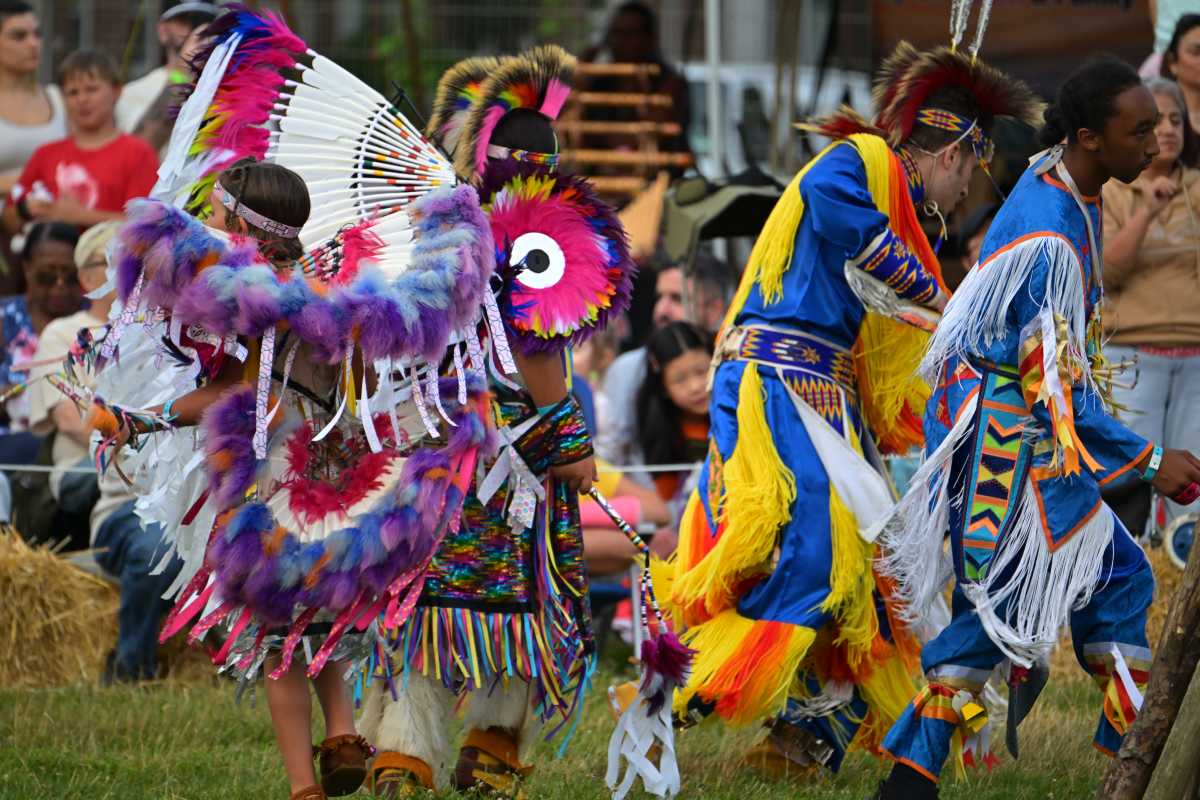
The powwow from the Queens County Farm Museum, which is the longest runnning presenter of Native American arts and culture in New York City, celebrates the culture of American Indians through music, dance and authentic, Native-made jewelry, crafts, textiles and cuisines. This annual event is one of the ten largest powwows that regularly occurs in the United States.
 Photo by Ramy Mahmoud
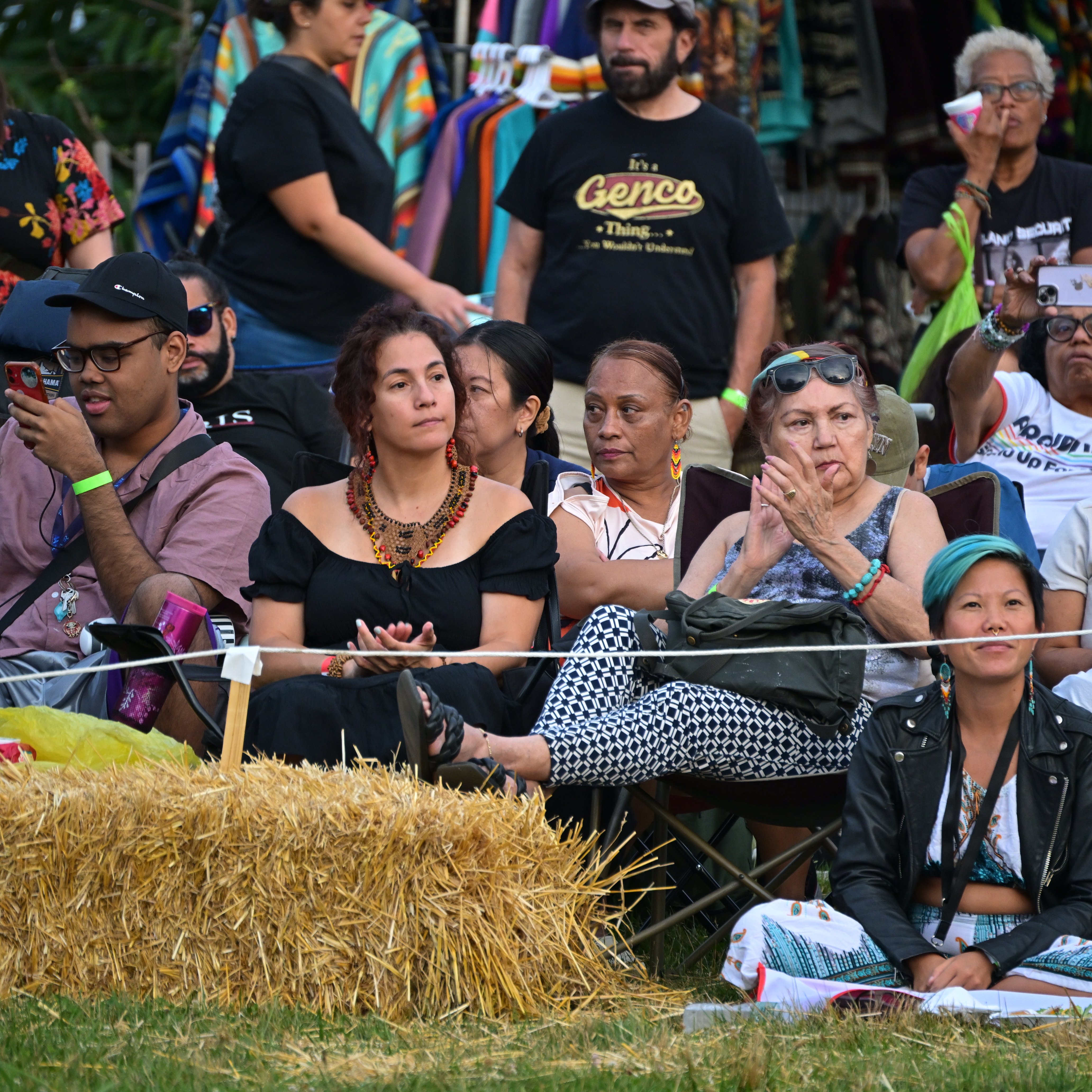 Photo by Ramy Mahmoud
 Photo by Ramy Mahmoud
Highlights from the three-day event, held in partnership with the Thunderbird American Indian Dancers, included intertribal dance competitions, a Native American Craft and Food Market and two evening programs that culminated in a bonfire at dusk and the formation of a dance circle.
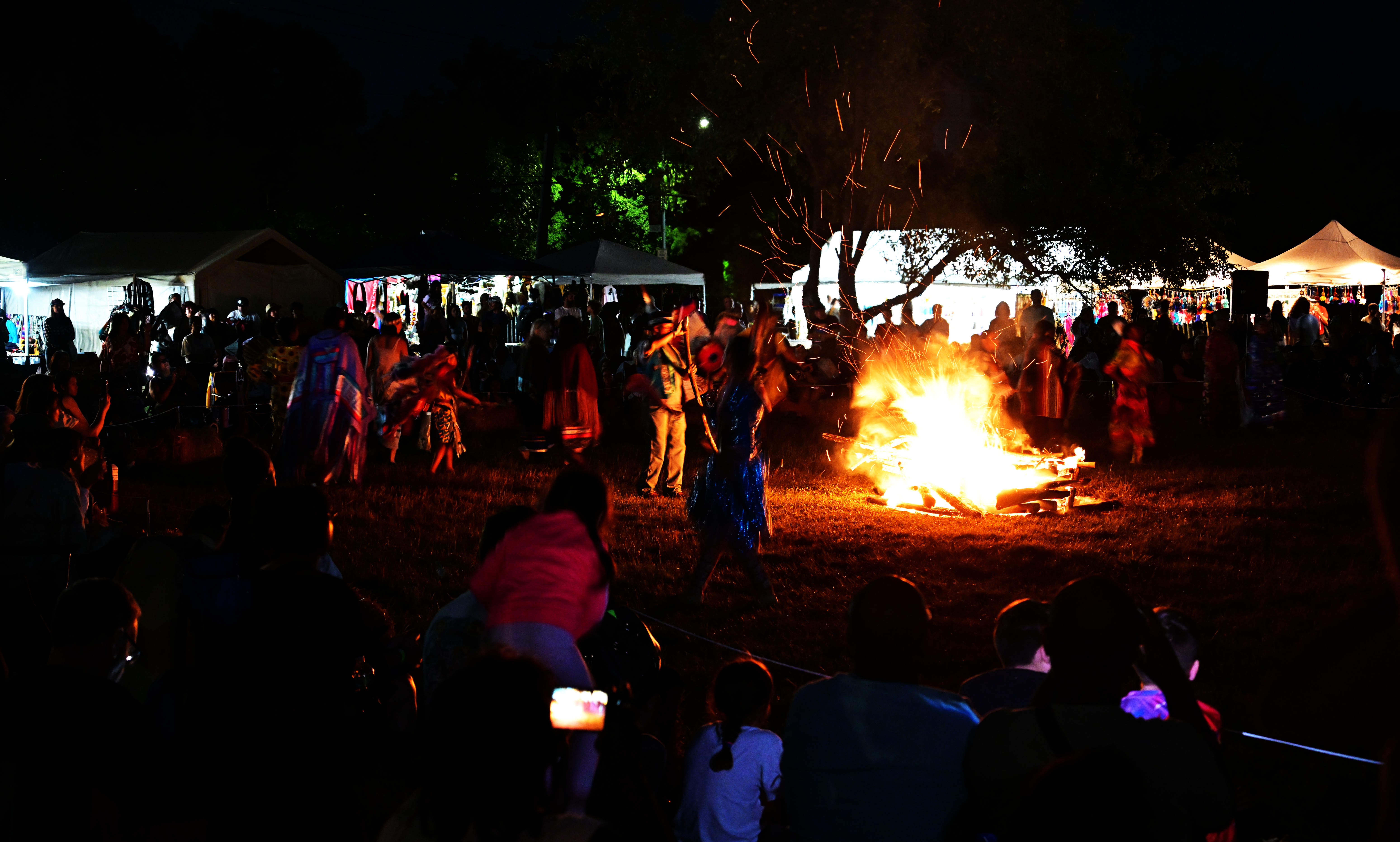 The first two nights of the powwow featured a dance circle around a bonfire. Photo by Ramy Mahmoud
More than 40 Native American nations were represented at the Thunderbord American Indian Powwow, including the Hopi, Winnebago, Cherokee, Kiowa, Lakota, Navajo, Santo Domingo, Taino, Matinecock, Shinnecock, San Blas Kuna, Rappahanock, Choctaw, Osage and Delaware Nations. Participants in the intertribal dance competitions came to this powwow from all across the United States and Canada.
 Photo by Ramy Mahmoud
Powwows are significant cultural gatherings that hold deep meaning to Native American communities. In addition to serving as vibrant celebrations of their traditions, heritages and values, powwows provide Native Americans with the opportunity to connect and exchange cultures with other tribes.
 Photo by Ramy Mahmoud
While powwows have evolved over time and vary across different Native American tribes, they still share elements highlighting the richness of indigenous cultures. The tradition, which dates back thousands of years, is meant to allow friends and families to enjoy each other’s company.
 Photo by Ramy Mahmoud
The modern powwow was developed after the institution of the Reservation System. It is derived from the Plains Indians Dance gatherings, primarily featuring dance styles developed in the Plains.
 Photo by Ramy Mahmoud
In addition to having six major dance competition categories, the Thunderbord American Indian Powwow also had several non-competitive dances, including the Gourd Dance, Round Dance, Rabbit Dance and demonstrations of Iroquois, Pueblo or Apache dances.
 Photo by Ramy Mahmoud
As the dancers made their grand entrances, the public was able to experience their full regalia. Interactive storytelling was used to explain each dance to viewers.
 Photo by Ramy Mahmoud
“[The Thunderbird American Indian Powwow] is a true expression of native people’s culture,” Queens County Farm Museum Executive Director David Hughes said. “There’s dance competitions, amazing costumes and performances around a fire at night, which is spectacular with drumming and music. There’s crafts, there’s jewelry, there’s delicious food as well, and it’s also great interpretation from the Thunderbirds. They actually tell the story and explain what the costumes represent and what the dances mean, and it’s really special.”
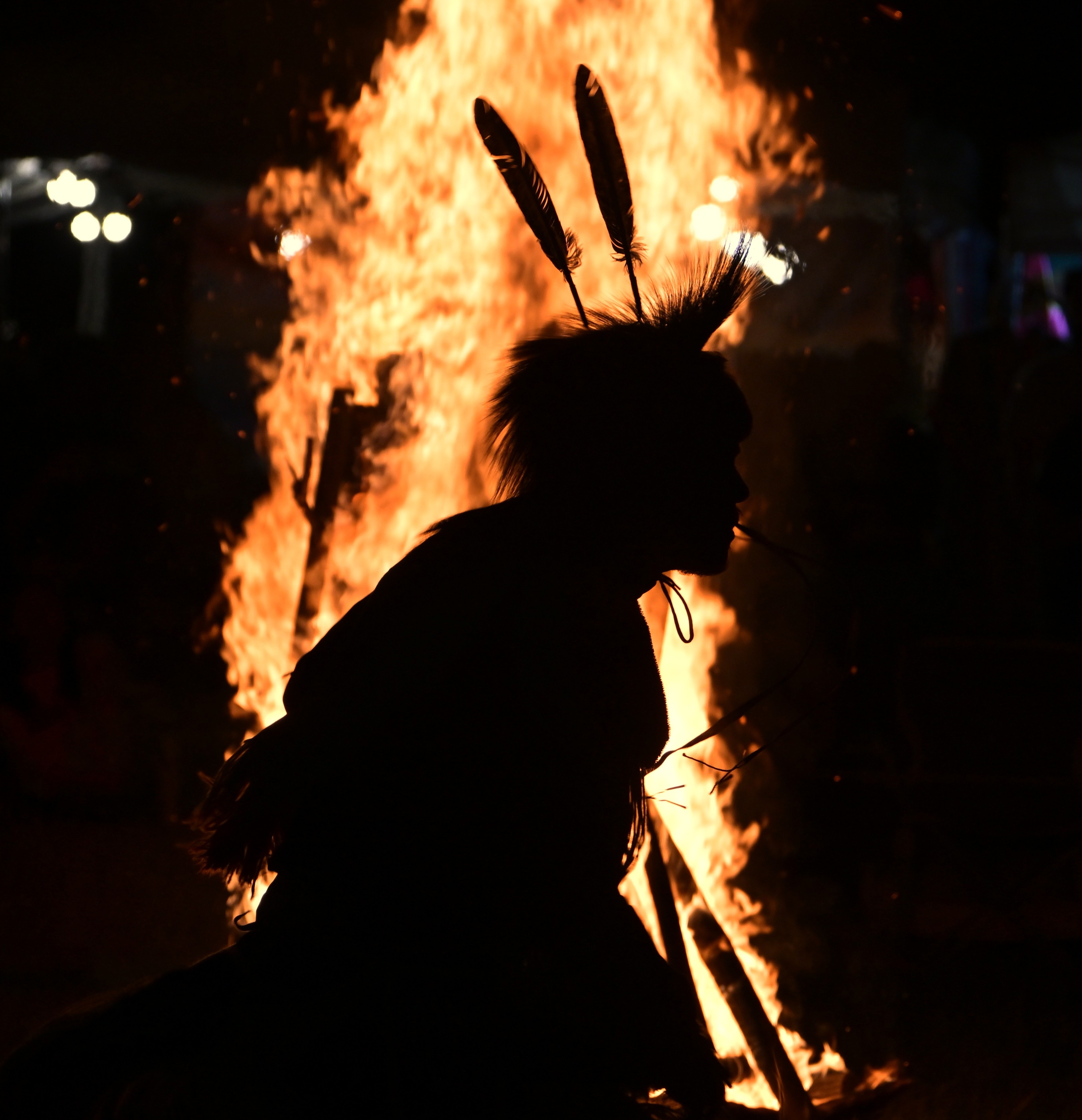 Photo by Ramy Mahmoud
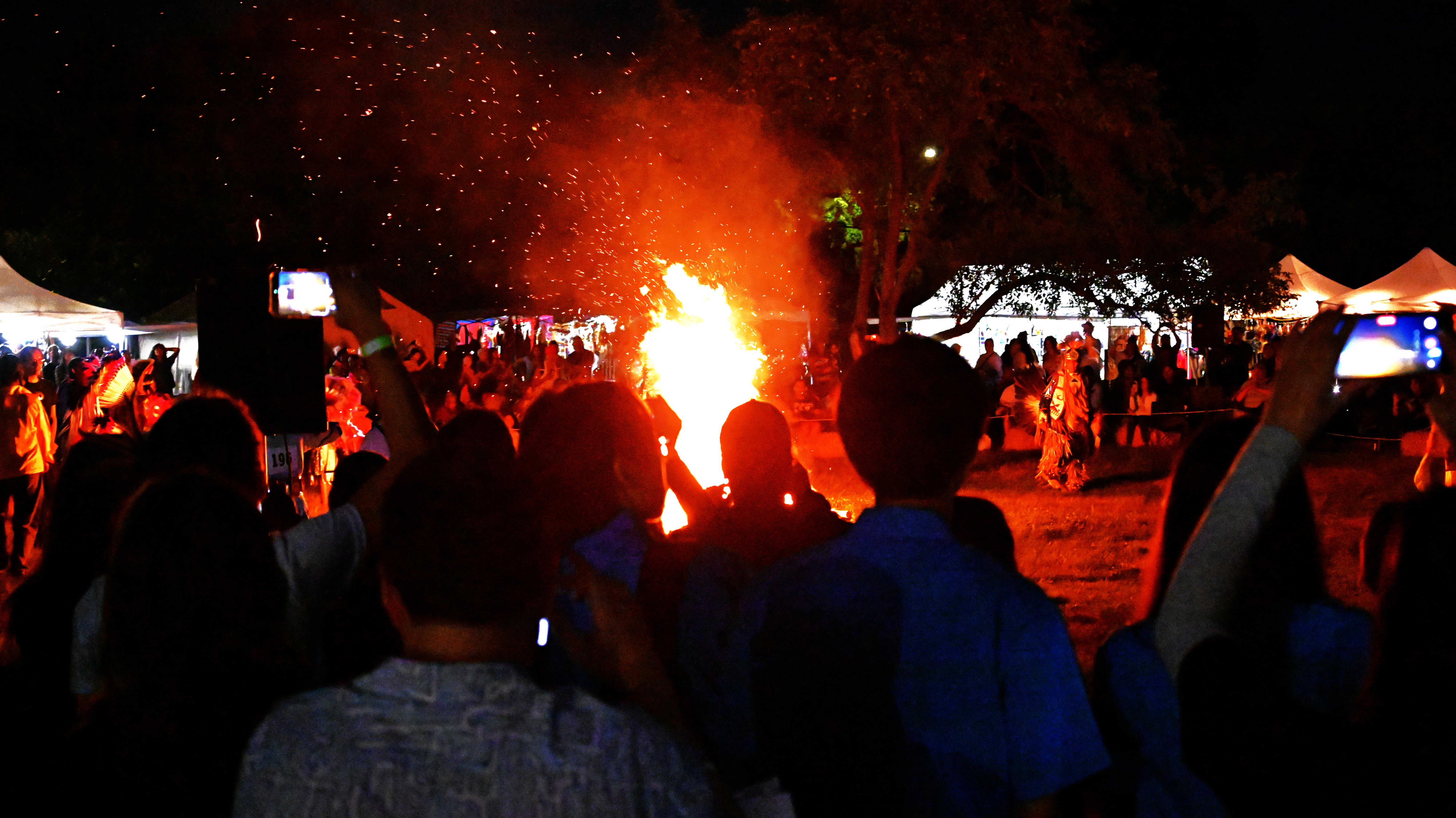 Photo by Ramy Mahmoud
The Native American Craft and Food Market featured a wide variety of Native American vendors. Among the food offered was native fry bread, which is a traditional plate of deep-fried confection enjoyed in various forms by Native American communities. It can also be eaten with stew or a handful of strawberries sprinkled on top. Some of the other cuisines offered were smoked meats and local fish from local tribes.
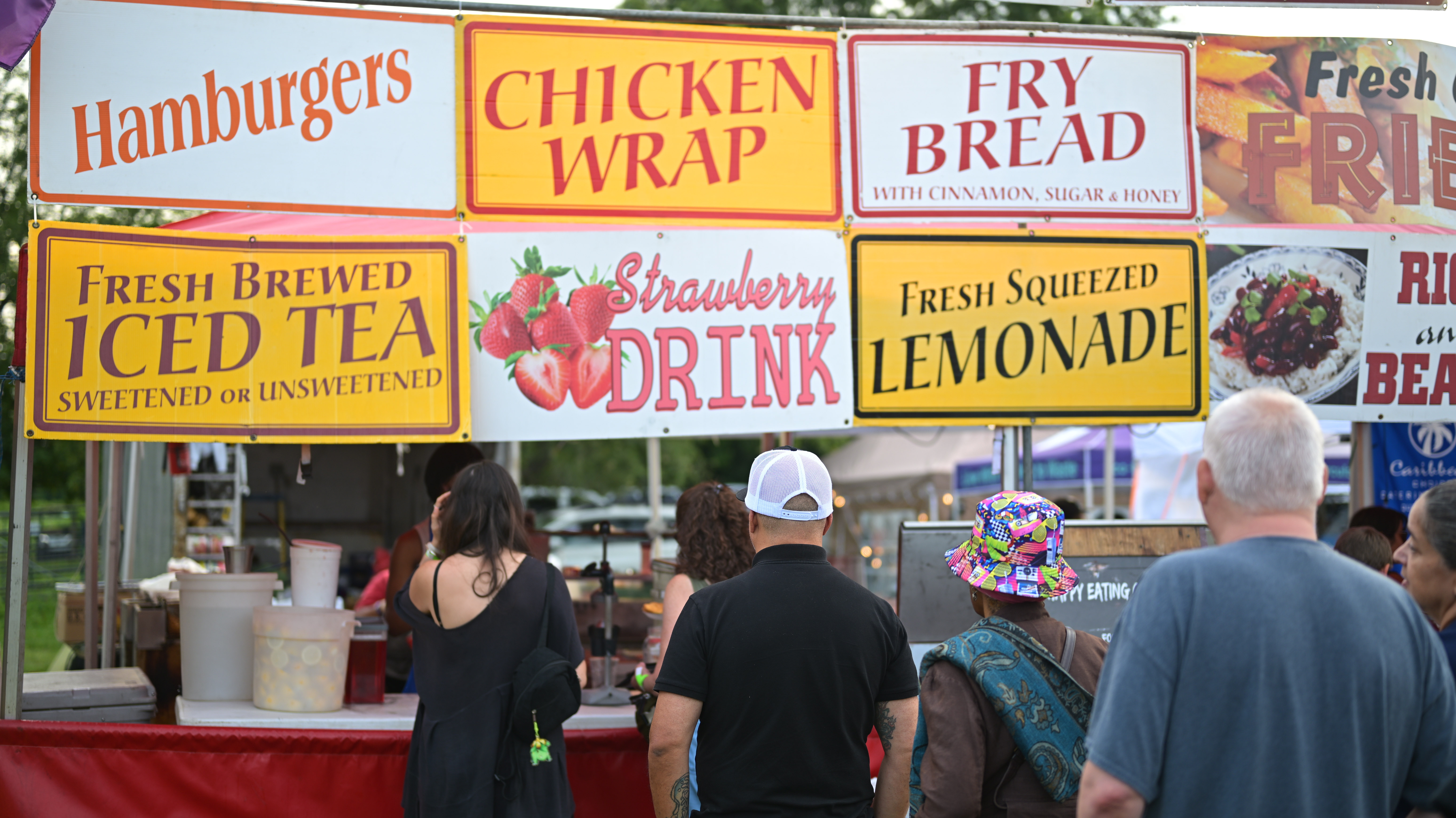 Photo by Ramy Mahmoud
 Photo by Ramy Mahmoud
Over 15 different vendors were at the market. In addition to food, the specialties from some of these vendors ranged from traditional handcraft, artisanal instruments and drums, wampum, modern and vintage jewelry, ceramics, stones and crystals, beadwork and textiles such as woven garments and embroidery.
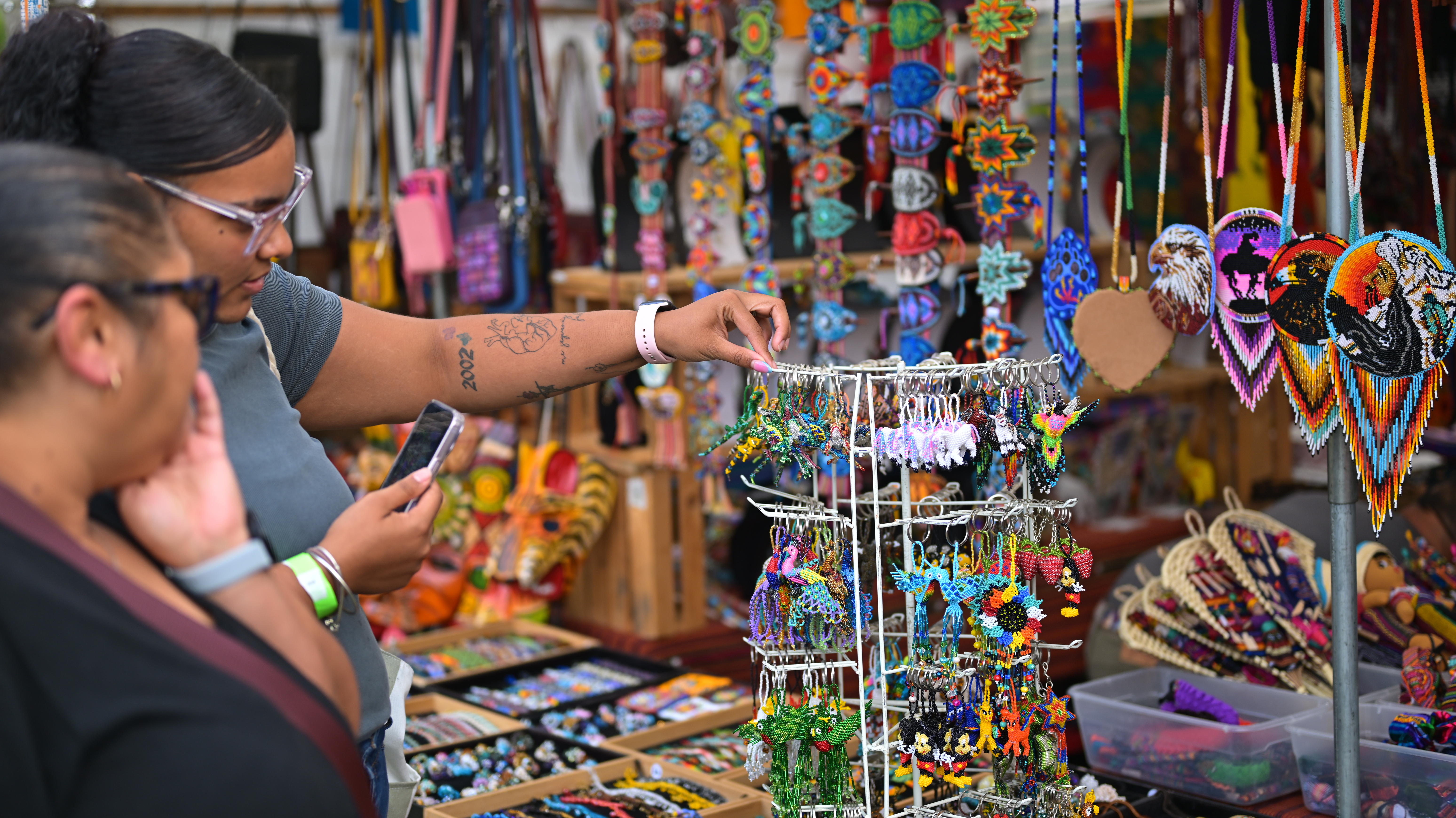 Photo by Ramy Mahmoud
 Photo by Ramy Mahmoud
 Photo by Ramy Mahmoud
 Photo by Ramy Mahmoud
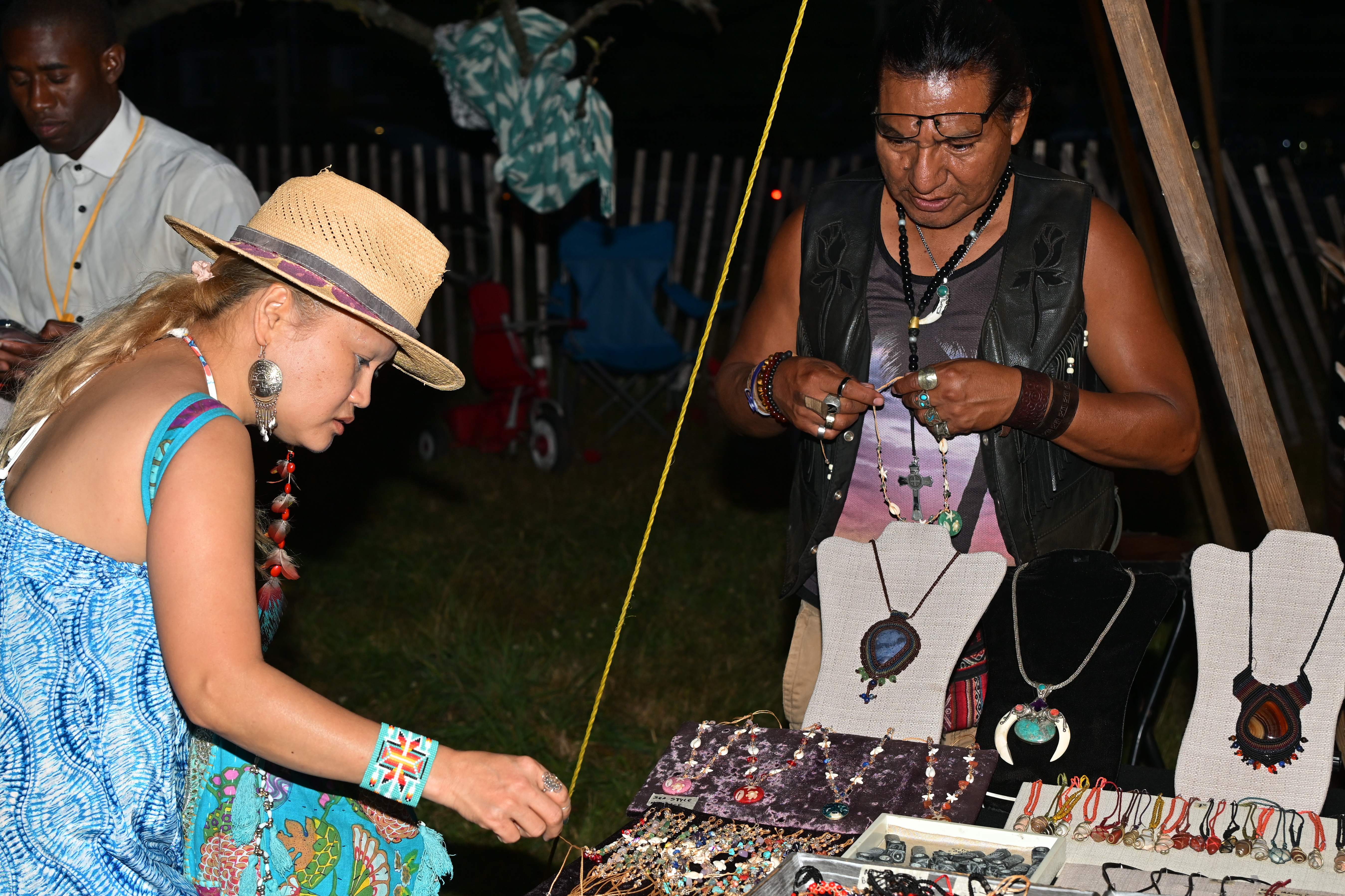 Photo by Ramy Mahmoud
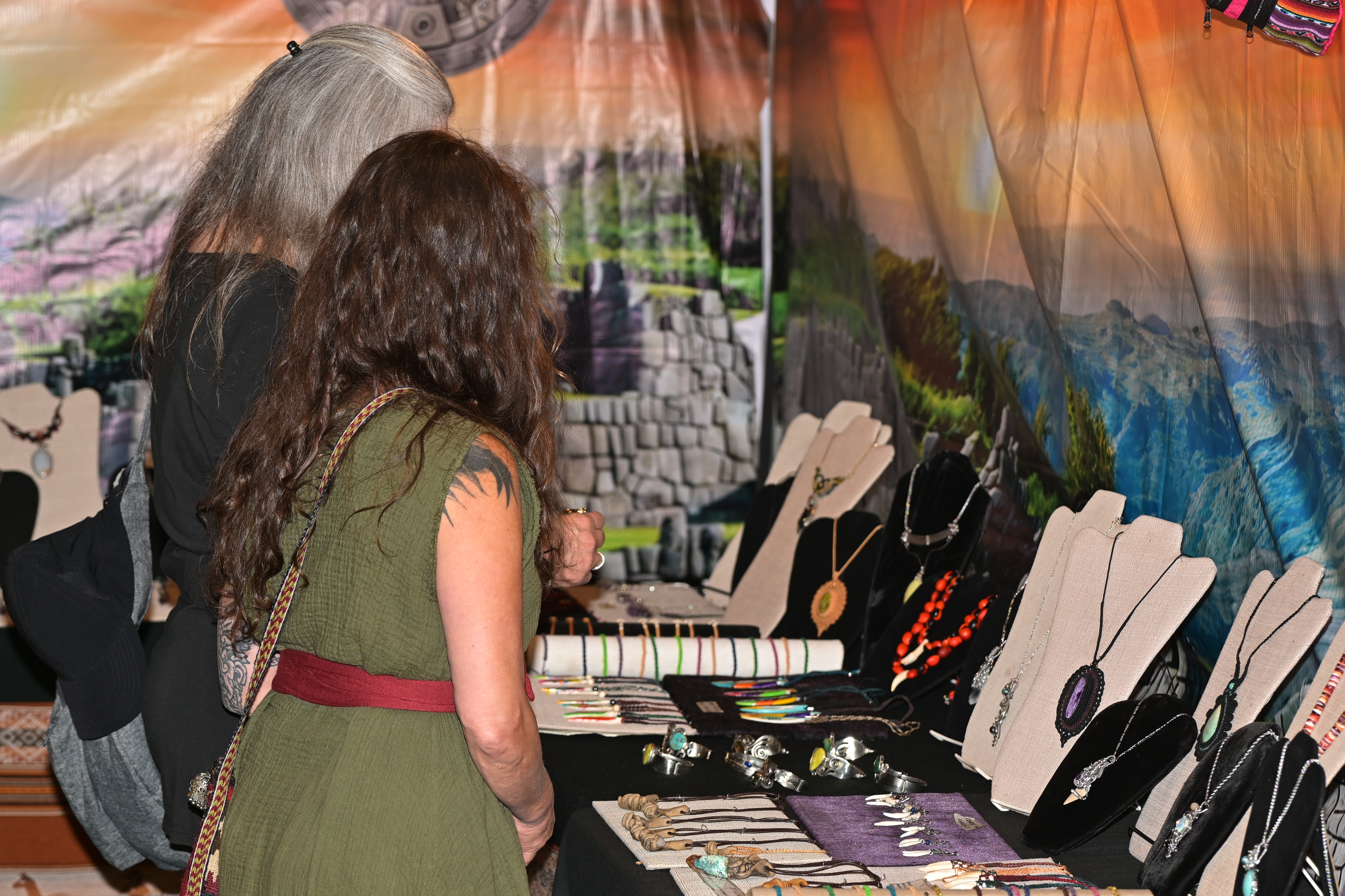 Photo by Ramy Mahmoud
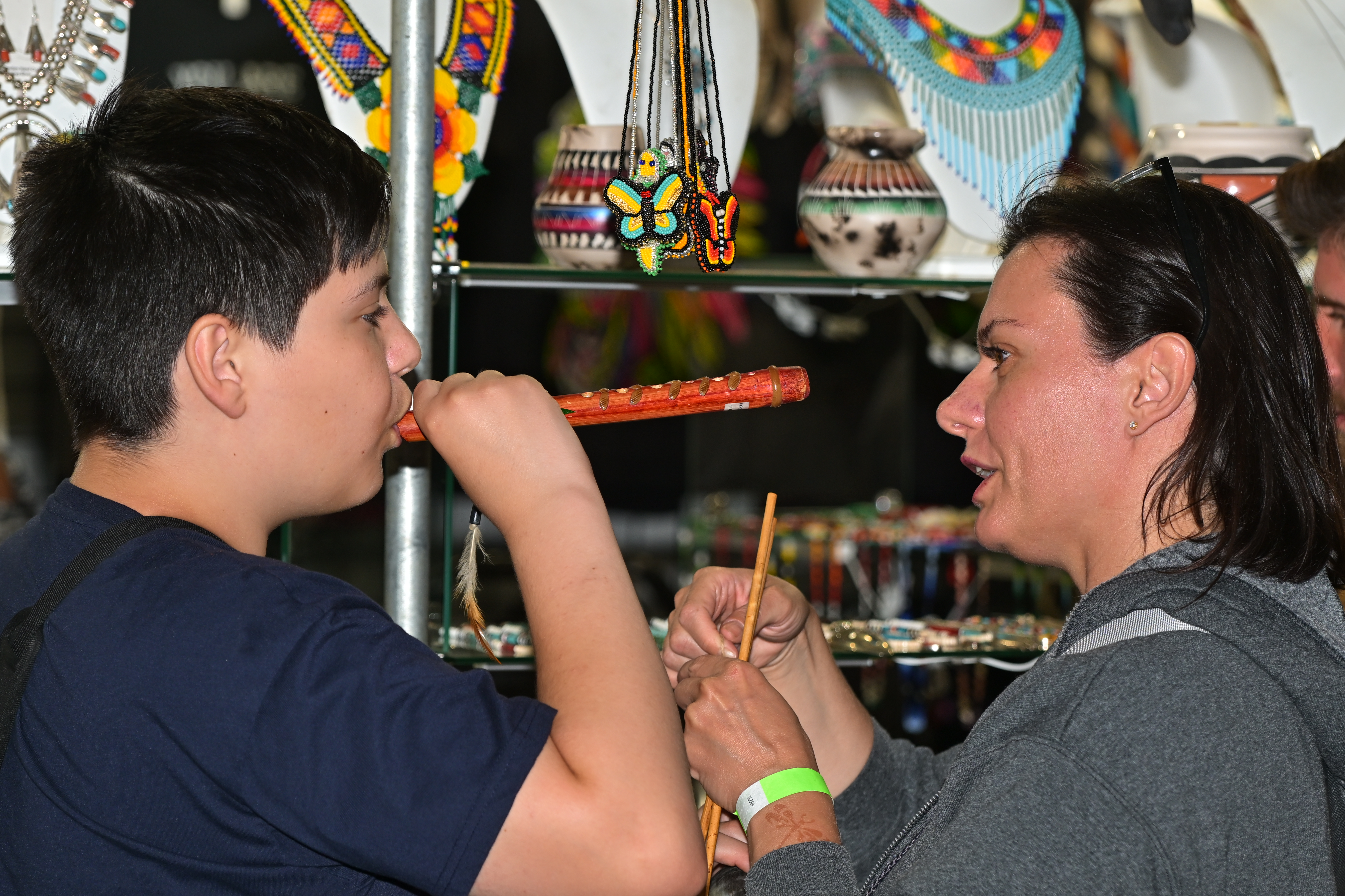 Photo by Ramy Mahmoud
 Photo by Ramy Mahmoud
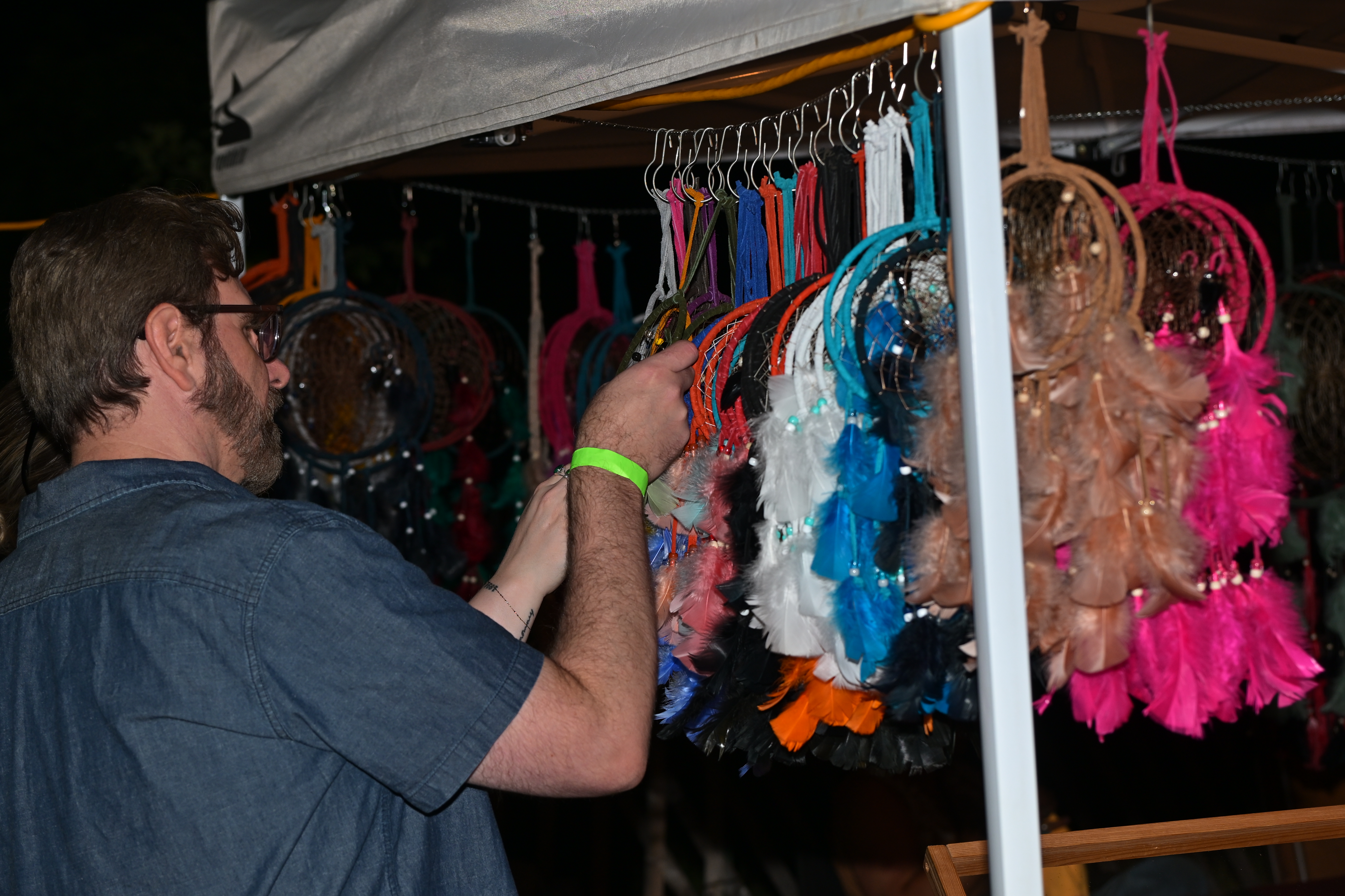 Photo by Ramy Mahmoud
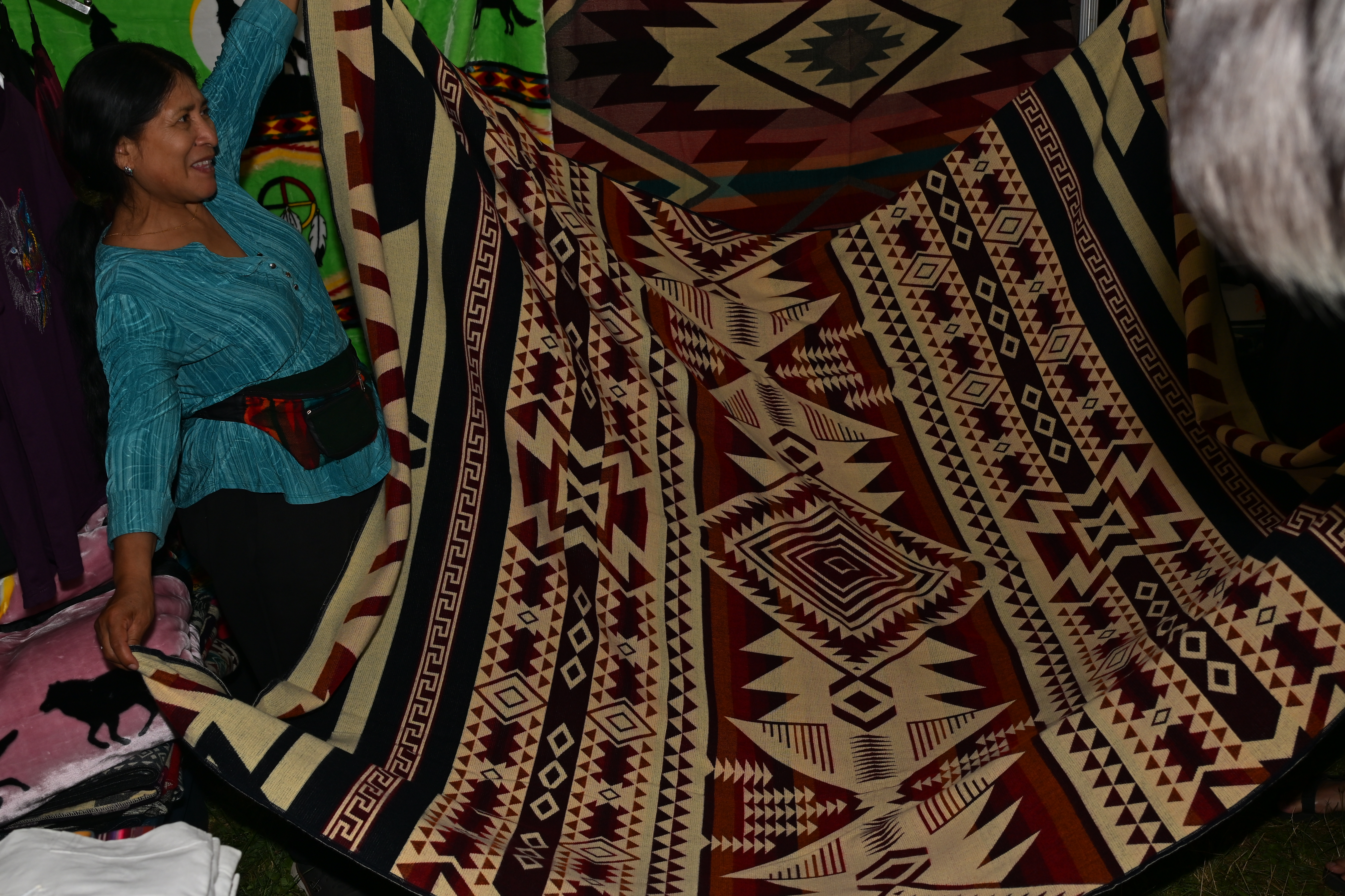 Photo by Ramy Mahmoud
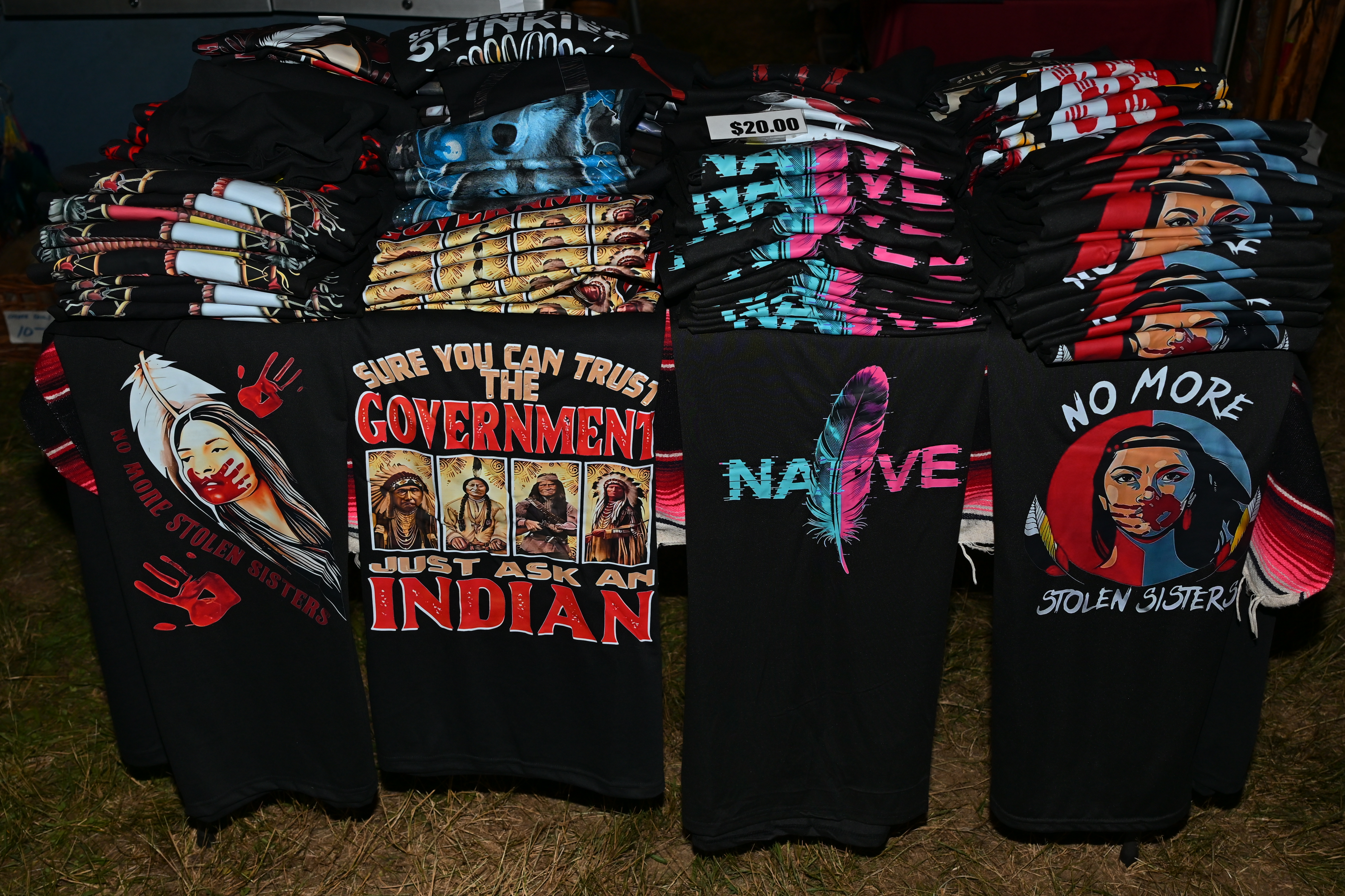 Photo by Ramy Mahmoud
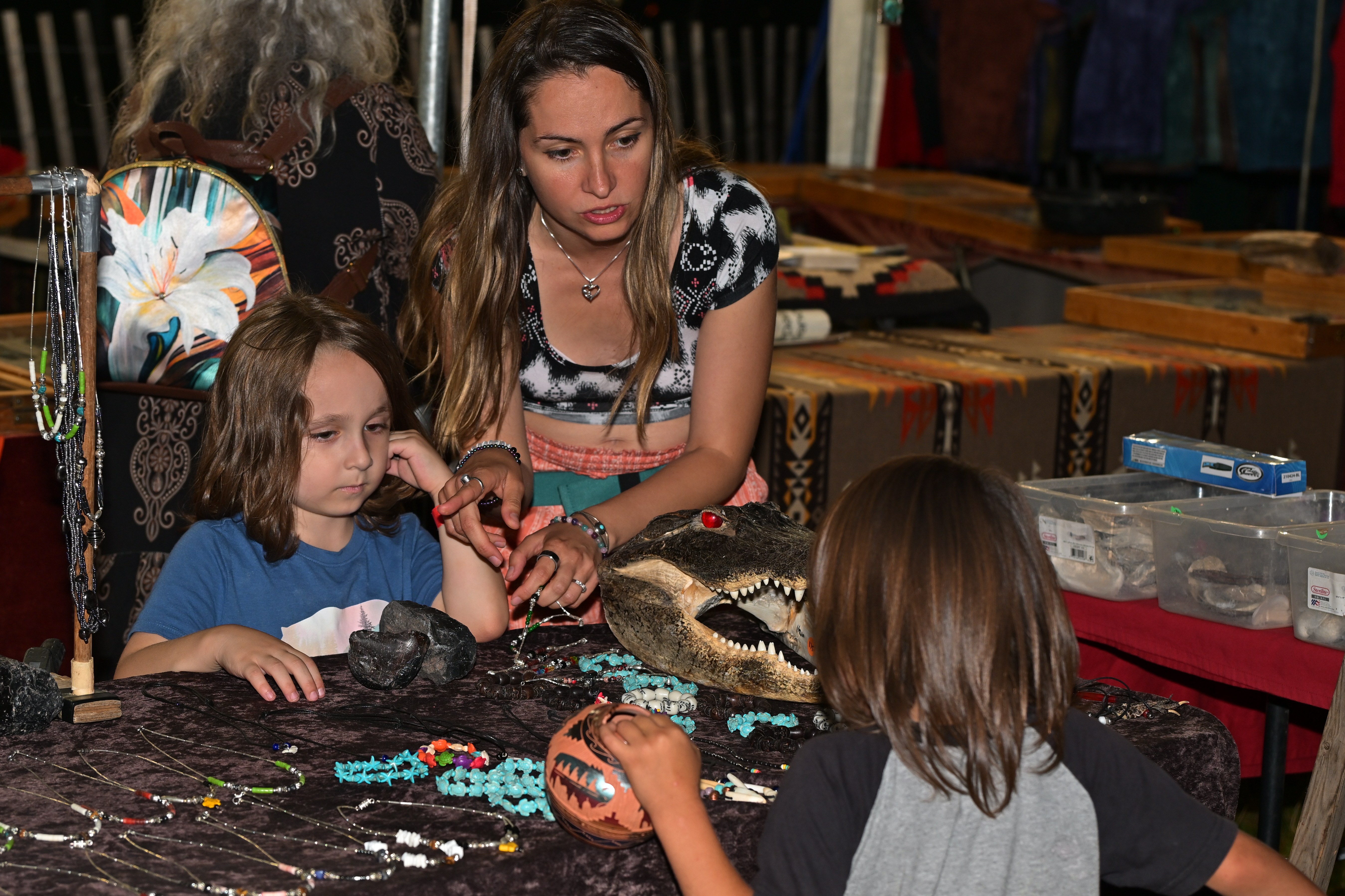 Photo by Ramy Mahmoud