
“Physical infrastructure … gets in the way of us providing great service,” Alyssa Cobb Konon, the MTA’s deputy chief development officer for planning, who helped author the report, told the Gothamist.
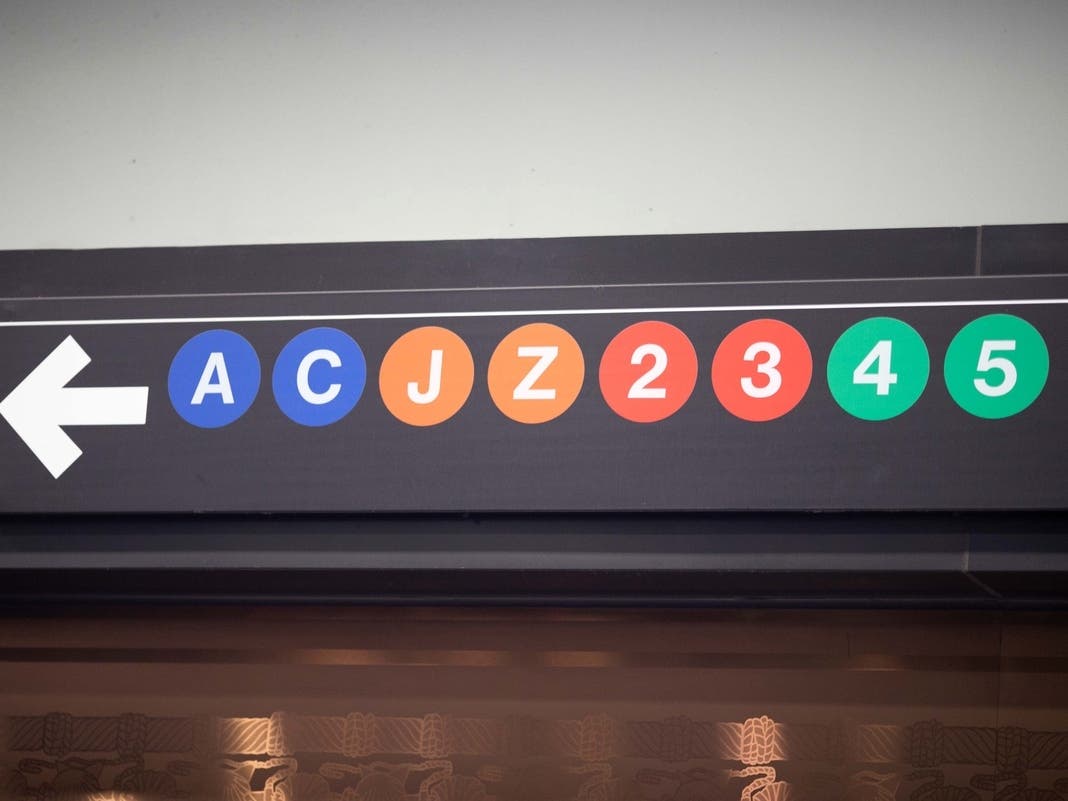
Among the other locations highlighted are the tracks near 149th Street-Grand Concourse in the Bronx, where the 2, 4 and 5 trains intersect, and aging signals at 59th Street-Columbus Circle that affect service on the A, B, C and D lines.
“We have intersections in the subway system, we tend to call them interlockings, but it’s what allows us to move trains around the system in such a fluid way where they separate and combine again,” MTA Construction and Development President Jamie Torres-Springer said. “We need to figure out how to unsnarl it, and that’s what we’re doing across the system to help move people faster.”
Why Are These Problems So Difficult To Fix?
Many of the system’s biggest bottlenecks date back more than a century.
Much of the subway infrastructure was built when three separate companies operated different parts of the system before they were later combined, according to the report.