
As Mayor Zohran Mamdani begins implementing a $10 million lead abatement strategy across the city, several child care centers at New York City Housing Authority (NYCHA) properties in Queens will be undergoing complete and permanent abatement of lead-based paint this fall.
Lead-based paint is not considered a hazard unless the paint is peeling, chipping or otherwise damaged. Testing is key to identifying exposure among at-risk children.
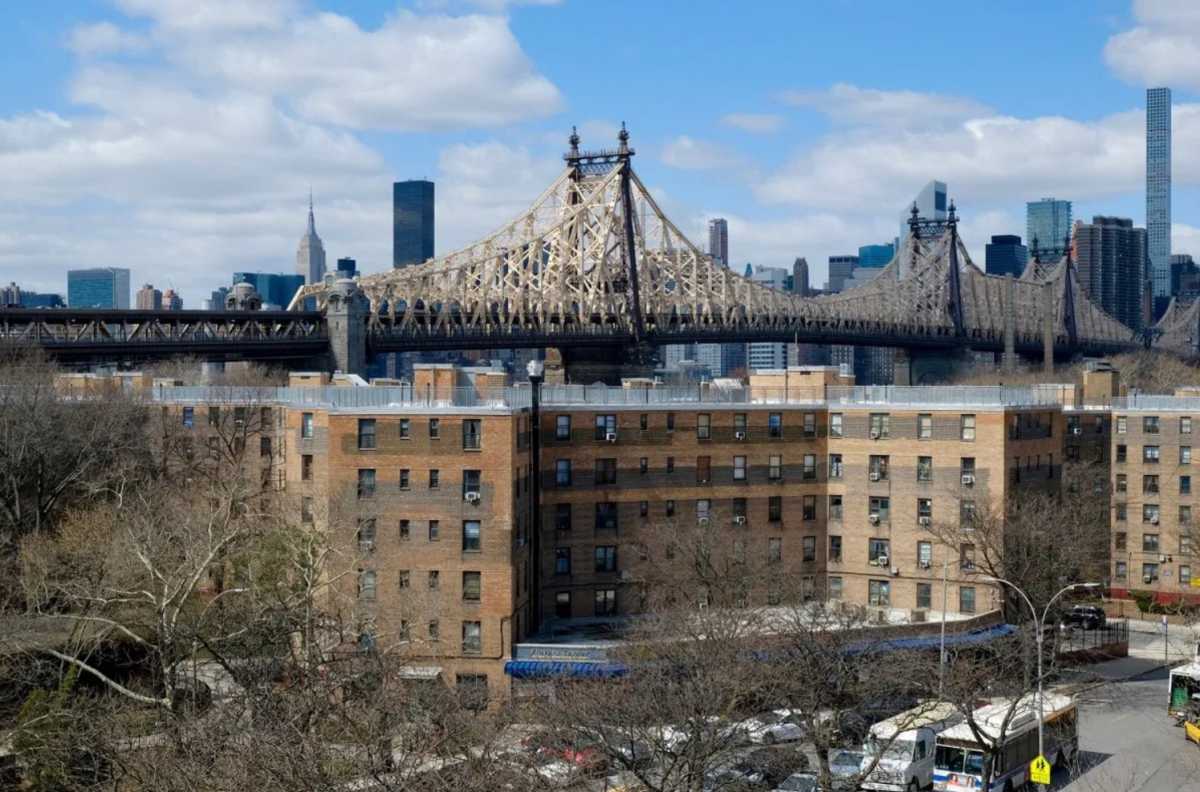
Two Queens-based centers that tested positive for lead have already been abated — Bland Day Care Center in Flushing and Queensbridge South in Long Island City — and seven more will be abated this fall.
Those properties include the following:
Baisley Park Houses in Jamaica
South Jamaica II in Jamaica
Carleton Manor in Arverne
Ocean Bay Apartments (Oceanside) on Beach 56th Street in Arverne
Ravenswood Day Care Center in Astoria
Redfern on Beach Channel Drive in Far Rockaway
Redfern on Hassock Street in Far Rockaway
Two Queens-based properties tested negative for lead, which were Ocean Bay Apartments on 54th Street in Arverne, and Latimer Gardens Community Center in Flushing.
“Every child care center in the city needs to be safe, high-quality and hazard-free — New York City children deserve nothing less,” Mamdani said. “That is why our administration is making sure every single NYCHA child care center is permanently lead-free this fall — and investing more than $10 million in the most aggressive public housing lead inspection and abatement program in the country. We will not stop until our buildings are safe and our children can learn and grow in peace.”
The round of abatement builds on previous testing through NYCHA’s Lead-Based Paint Abatement Program of all 75 child care centers on NYCHA campuses.
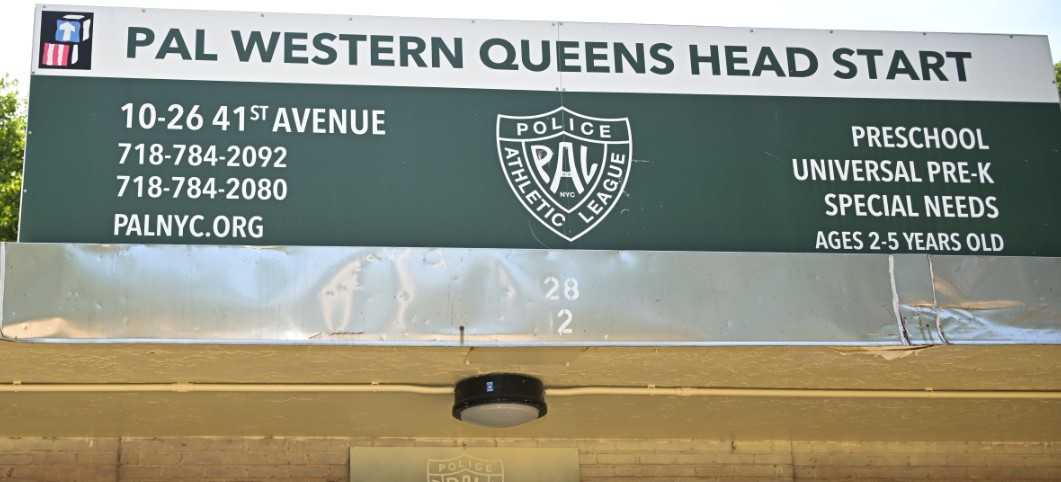 Queensbridge Police Athletic League Daycare Center in Long Island City. Photo by Ramy Mahmoud
Vanesia Richardson, director of the Queensbridge Police Athletic League Daycare Center in Long Island City, said the facility was tested and abated for lead in November 2024 after two children were tested and showed high levels of lead in their bloodstream. She recalled the entire process, from testing to reopening, took about a month to complete.
However, Richardson noted that the duration may vary for other facilities depending on how much lead is detected. Queensbridge Houses, she explained, tested positive in all but three of the rooms — the kitchen and two offices — and needed a more comprehensive response that involved knocking down and rebuilding some of the walls.
Before the abatement could begin, she said every room that tested positive had to be emptied out, and supplies were kept in a storage facility paid for by the NYC Administration for Children’s Services (ACS).
Staff and children were not able to enter the building during the abatement, although Richardson said facility staff kept in contact with the families through Zoom and coordinated busing to another daycare facility affiliated with Queensbridge to ensure children still had a place to go and receive hot meals.
“That was the hardest part for me — the children not being able to be here,” Richardson said. “As soon as we could, we started busing them to another place. That’s the only financial expense we had. We didn’t have to do it, but for the children’s sake, we did.”
The daycare facility also packed children small bags with toys, crayons and puzzles to ensure they could keep busy while at home, which is something Richardson recommended any other facilities in need of lead abatement do, as well.
Once abatement was completed, the NYC Department of Health (DOH) had to retest all of the rooms and ensure there were no traces of lead before approving the facility to resume operations.
 City Hall in Lower Manhattan. QNS file photo
According to a NYCHA spokesperson, the housing authority completed XRF testing in over 138,000 units and abated over 20,000 units to date.
The next phase of work, which will be completed in coordination with the Federal Monitor, will continue to test daycare centers at NYCHA properties. Those who test positive will be included in NYCHA’s visual assessment program, through which all surfaces positive for lead-based paint will be regularly inspected, and any deteriorating paint will be stabilized and repaired.
City Hall noted that NYCHA conducts regular inspections of all common facilities for lead hazards — at a rate higher than the national standard — and attempts to remediate conditions as swiftly as possible without major disruptions to service provision or facility access.
NYCHA also accelerates lead-based paint abatement in apartments where children under the age of six live or routinely visit.
City Hall also noted that between Feb. 1 and April 30 of this year, just two cases of elevated blood lead levels were reported in children living in NYCHA apartments — down from 10 and 8 cases during the same period in 2024 and 2025, respectively.
Since the signing of the 2019 HUD Agreement — signed by the U.S. Department of Housing and Urban Development, the City of New York and NYCHA — the housing authority has worked under the oversight of federal, local and independent entities to establish its Lead Program.
“[The Lead Program] has been recognized as one of the strongest lead abatement programs in the country,” the spokesperson said. “With $10.2 million from the city dedicated specifically to lead-based paint abatement at daycare centers, NYCHA will abate the 63 remaining positive centers this fall.”
The investment in lead paint abatement at child care centers is a part of a $195 million capital investment in FY27 to test and abate lead in NYCHA buildings citywide, which is part of a historic $5.6 billion capital investment in NYCHA. It is the largest such City investment in recent history.
“I’m incredibly proud that we have now abated 20,000 apartments, creating healthier, lead-free homes for NYCHA residents while prioritizing families with young children,” said NYCHA CEO Lisa Bova-Hiatt. “The progress we’ve made is the result of an unwavering commitment to thorough testing, safe and permanent lead abatement, and rigorous quality assurance at every stage of the process.”
For information on testing and how to prevent exposure to lead, visit NYC.gov.