
Donald Appleyard’s Livable Streets research revolutionized how we look at streets, traffic, and the lives of people beyond the edges of the curb. His San Francisco studies revealed the hidden harms of cars and a simple but radical truth: the more fast-moving traffic on a street, the less life happened on it — fewer friendships, weaker ties to neighbors, less sense of the street as shared, home territory rather than just a conduit for cars.
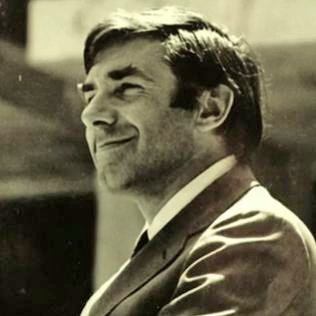 Donald Appleyard
He gave people a way to measure something that had always been felt but never quantified — that a street is not just a street, but a place for people and their daily social lives. That insight is the thread running through everything: traffic calming, complete streets, bike lanes, pedestrian plazas — all of which were inspired by works such as Livable Streets.
Tragically, Appleyard was killed by a speeding, drunk driver a year after Livable Streets was published in 1981 — the book was never reprinted. His son, Bruce Appleyard, who was hit by a car driver and nearly killed at age 4, was just 17 when his father died. Decades later, in his father’s warmth and caring spirit, Bruce carried the torch forward, updating and expanding the original into Livable Streets 2.0.
Today’s Friday video offers an Appleyard-focused clip from Streetfilms’s forthcoming documentary on the city’s best open street, “Close Encounters of the 34th Avenue Kind,” which will have screenings all over town soon. (Stay updated by clicking here.)