
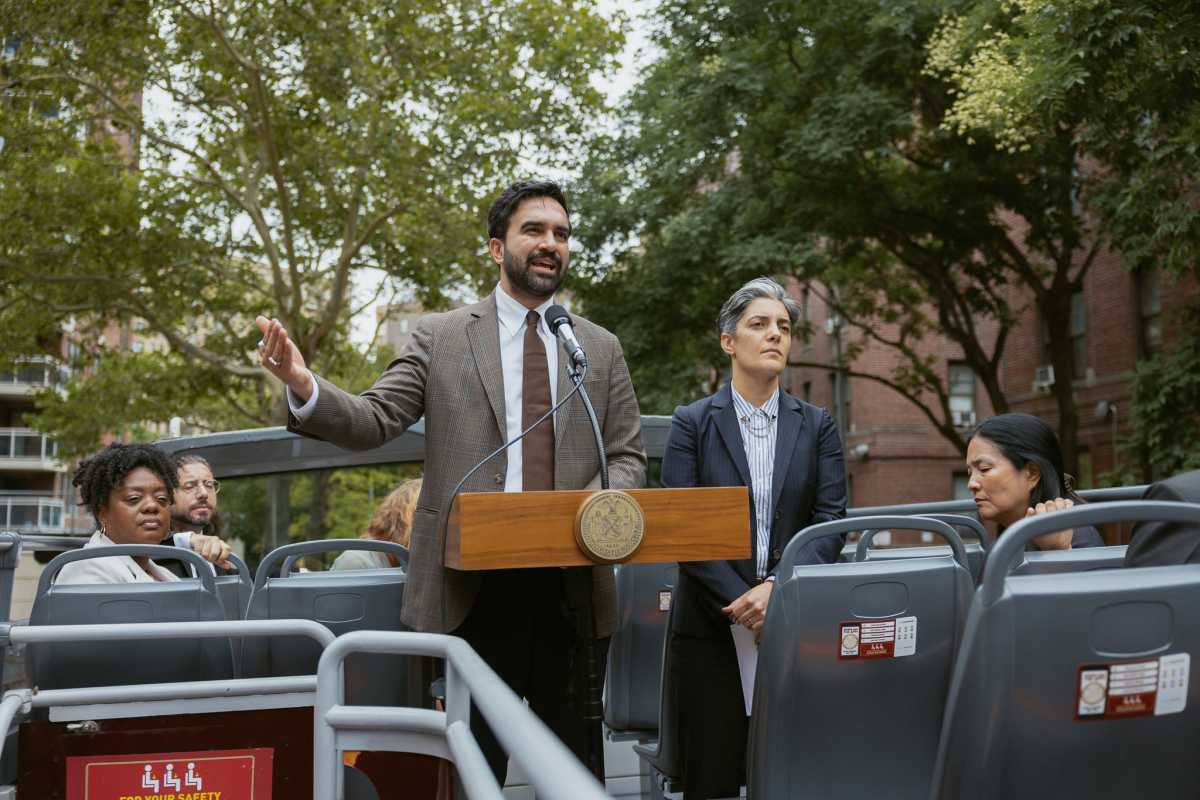
The Land Inventory Fast Track, or LIFT, tracker brings together projects across the five boroughs at various stages of development, from sites that have been announced but still need financing to developments moving toward construction. The administration said the map will be updated as projects advance and new sites are added.
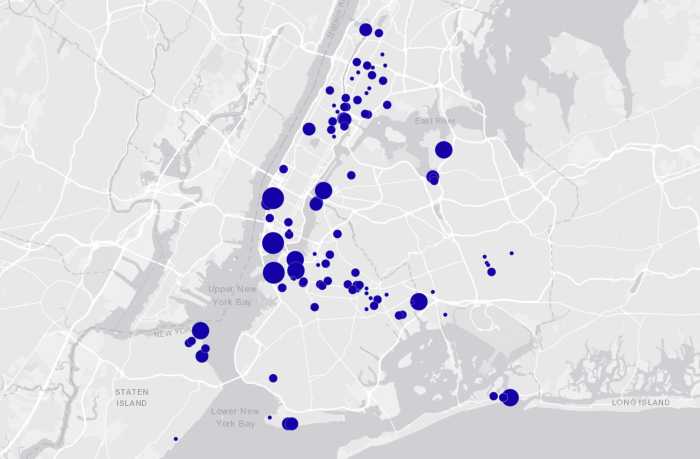 The tracker maps planned and in-progress projects across the five boroughs. Image courtesy of NYC Mayor’s Office
The majority of the projects began under previous mayoral administrations and remain unfinished. Deputy Mayor for Housing and Planning Leila Bozorg said on July 30 that the Mamdani administration has announced about six new sites since taking office and plans to issue requests for proposals (RFPs) for at least five additional city-owned sites in each of the next four years.
The administration is not yet naming the properties it expects to include in those future RFPs. Bozorg said officials need time to work with the agencies that control the land, engage surrounding communities, and prepare the sites for public competitions. She added that announcing possible developments too early could contribute to real estate speculation.
The tracker website draws from the city’s Public Pipeline Transparency Report, required under Local Law 125 of 2024, as well as previous public announcements. Officials described it as the first place where New Yorkers can view the city’s public-land housing pipeline on one map.
Not enough real estate to go around?
The project also lays bare one of the main obstacles to building on city property: There is not much vacant land left.
The city owns or leases more than 15,000 properties, covering an area the administration says is roughly the size of Brooklyn. But less than 2% of that land is truly vacant, and officials say an even smaller share is suitable for housing.
More than half of city-controlled land is dedicated to parks and cultural uses, while roughly 38% supports active services and infrastructure, including schools, hospitals, firehouses, offices, airports and maintenance facilities.
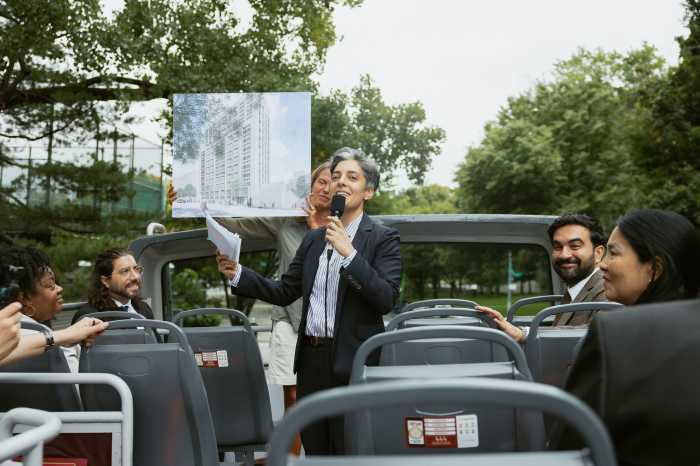 Deputy Mayor for Housing and Planning Leila Bozorg said there are not a lot of vacant city-owned sites. Photo courtesy of Kara McCurdy/Mayoral Photography Office
“We don’t have that many very kind of easy, clean-cut, vacant sites anymore to turn into housing,” Bozorg said.
That means the city will increasingly have to build housing alongside existing public uses, including libraries and social service centers, or work with agencies to replace parking and relocate operations.
The tracker includes projects combining housing with public facilities, as well as developments on NYCHA campuses and vacant lots.
During a double-decker bus tour, city officials highlighted three Bronx projects as examples of those approaches.
Sol on Park, on NYCHA’s Morris Houses campus, is expected to create 229 “deeply affordable” senior apartments for those with extremely low household incomes. Eighty of the units will be reserved for seniors currently living at Morris Houses, according to the administration. Officials said the project is also part of Mamdani’s effort to expand NYCHA’s role in housing development.
A second project near Claremont Houses is slated to produce 40 affordable homeownership units. A community land trust would retain ownership of the land beneath the development, allowing buyers to build a limited amount of equity while keeping the homes affordable for future purchasers.
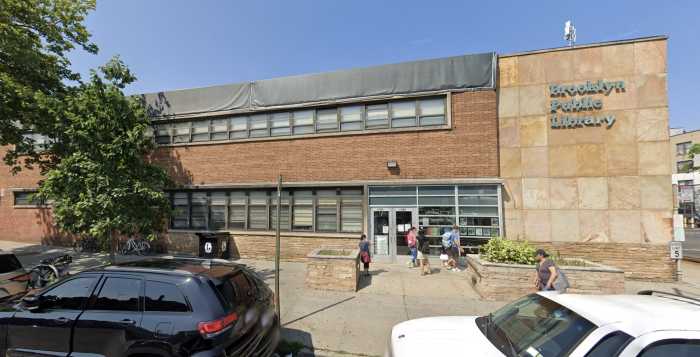 The city is aiming to build new affordable housing and a new library at the current New Utrecht Library site. Photo courtesy of Google Maps
The city first committed to housing at that site as part of the 2018 Jerome Avenue rezoning. Housing Preservation and Development Commissioner Dina Levy said the project was slowed after its RFP was released shortly before the COVID-19 pandemic and later had to move through a rezoning.
Mamdani noted that Bronx Borough President Vanessa Gibson helped secure the project while serving in the City Council, but the site has yet to be developed eight years later.
The Grand Concourse Library project would take a different approach, placing 113 affordable apartments above a new 17,500-square-foot library. Similar library and housing projects are moving forward at the Bloomingdale Library in Manhattan and the New Utrecht Library in Brooklyn.
Mamdani looks to cut red tape on housing construction
The administration says it is also trying to shorten the time between an initial announcement and construction.
Bozorg said reforms to the environmental review process could reduce one pre-certification timeline from two years to six months, while other changes could shave an additional six to 18 months from the process, depending on the project.
Those efforts include the city’s new Expedited Land Use Review Procedure and the Neighborhood Builders Fast Track, which uses a prequalified group of nonprofit and minority- and women-owned developers to speed up selections for certain affordable housing projects.
“For far too long, new housing has only lived in a press release and not actually been able to be delivered on a timeline where those who live in the neighborhood would also be able to enjoy that same housing,” Mamdani said.
The mayor has set a goal of building 200,000 affordable homes over the next decade. His administration noted that the recently adopted city budget includes $22 billion for affordable housing over five years, including nearly $5 billion in capital funding for new affordable housing over the next two years.
Hizzoner’s ‘Block-by-Block’ housing plan calls for the city to create more than 14,000 new affordable homes in fiscal 2027 and gradually increase production to more than 21,000 homes annually by fiscal 2031. It identifies development on city-owned land as one part of a broader strategy that also includes land-use changes, publicly and privately financed housing, and new mixed-income financing tools.
The 50,000 homes shown on the tracker are not all close to construction. The projects range from early planning to later development stages, and some will still require community engagement, land-use approvals and financing.
Bozorg said the administration’s task ahead is both to move that existing pipeline forward and continue looking for additional places to build.
“It’s both about identifying the sites we’re working on and how we can ensure that we speed them up and be transparent about it,” she said.
This story first appeared on Brooklyn Paper’s sister site amNewYork.