
 BOROUGHWIDE — The Brooklyn Democratic Party held a Judicial Candidate Community Forum via Zoom, featuring nine New York State Supreme Court judicial candidates vying for four open seats in Kings County.
The 90-minute town hall took place the evening of July 29. The candidates are seeking 14-year terms in the second judicial district.
Candidates included Hon. Ellen Edwards, Hon. Betsey Jean-Jacques, Hon. Mark Kagan, Hon. Rena Malik, Hon. Sherveal Mimes, Hon. Carmen Pacheco, Hon. Hemalee Patel, Hon. Lola Waterman and Hon. Linda Wilson.
 42nd District Leader Josh Pierre and Renee Collymore, sixth vice chair of the County Committee for the November general election. Photo: Wayne Daren Schneiderman/Brooklyn Eagle
The event was hosted and moderated by 42nd District Leader Josh Pierre and Renee Collymore, sixth vice chair of the County Committee for the November general election for Kings County Supreme Court.
Collymore said the forum was a way to hear directly from the candidates and help voters and judicial delegates evaluate the individuals looking to serve. According to Collymore, the most important quality in a Supreme Court judge is their character.
“Every candidate has the intellect,” she said. “It goes deeper than that.”
The judges
Hemalee Patel, a graduate of New York University and Brooklyn Law School, was previously the general counsel for New York City’s Board of Elections from 2021 to 2024. Prior to joining the Board, Patel was a court attorney-referee for Civil and Matrimonial Matters in the Supreme Court of Richmond County.
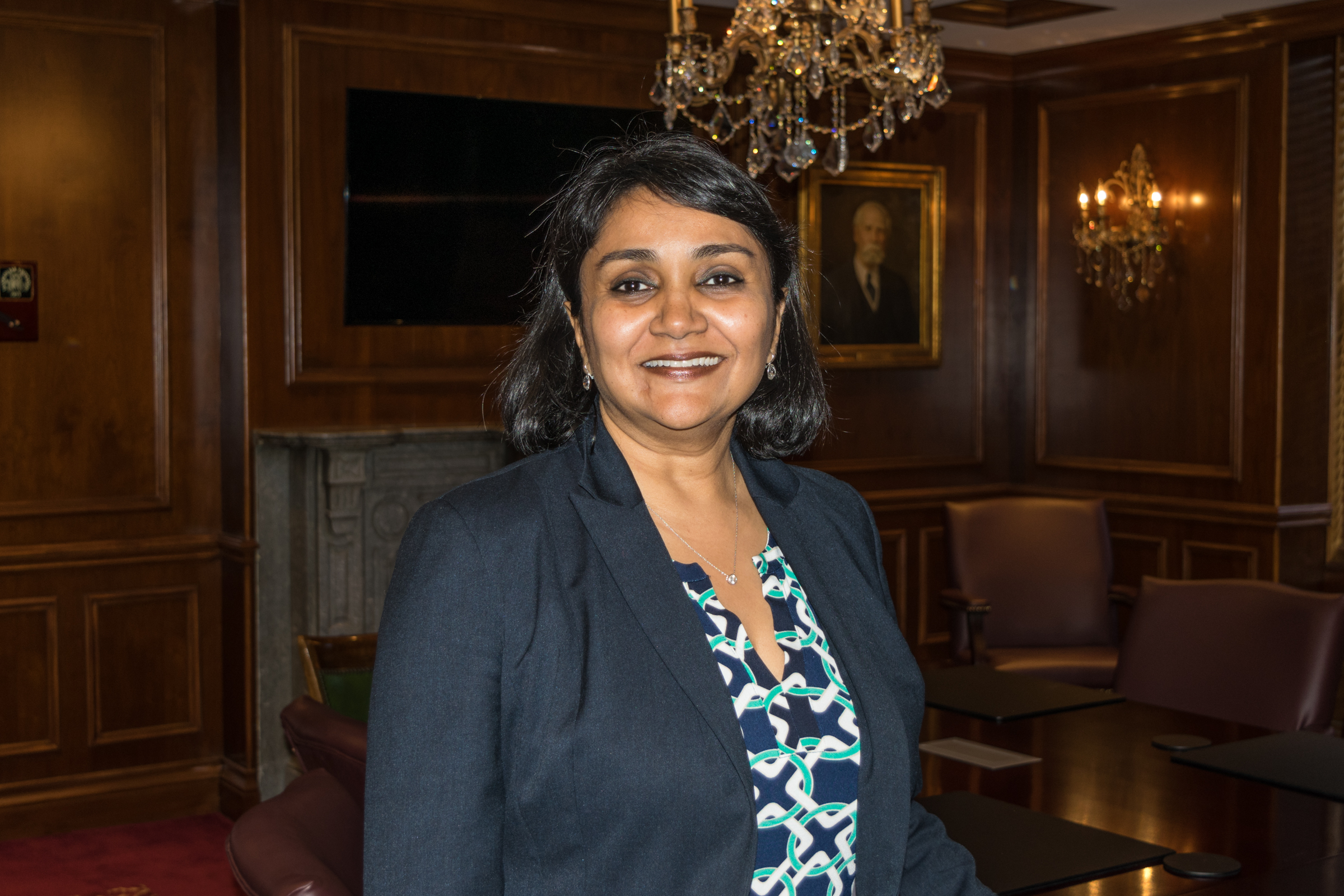 Hon. Hemalee Patel. Photo: Robert Abruzzese/Brooklyn Eagle
From 2001 to 2011, she served as a principal law clerk to two matrimonial judges in Brooklyn and Manhattan. She later started her career as a private practitioner specializing in matrimonial and family law.
“As a public servant, I try to serve in the truest sense,” Patel said. “That, for me, means that I do my best every day.”
According to Patel, equal justice under the law means everyone comes in with a clean slate. “Your race, your gender, your sexual orientation — it doesn’t matter. The law is applied fairly and equally to everyone. It’s not just treating Brooklyn residents as numbers on a docket.”
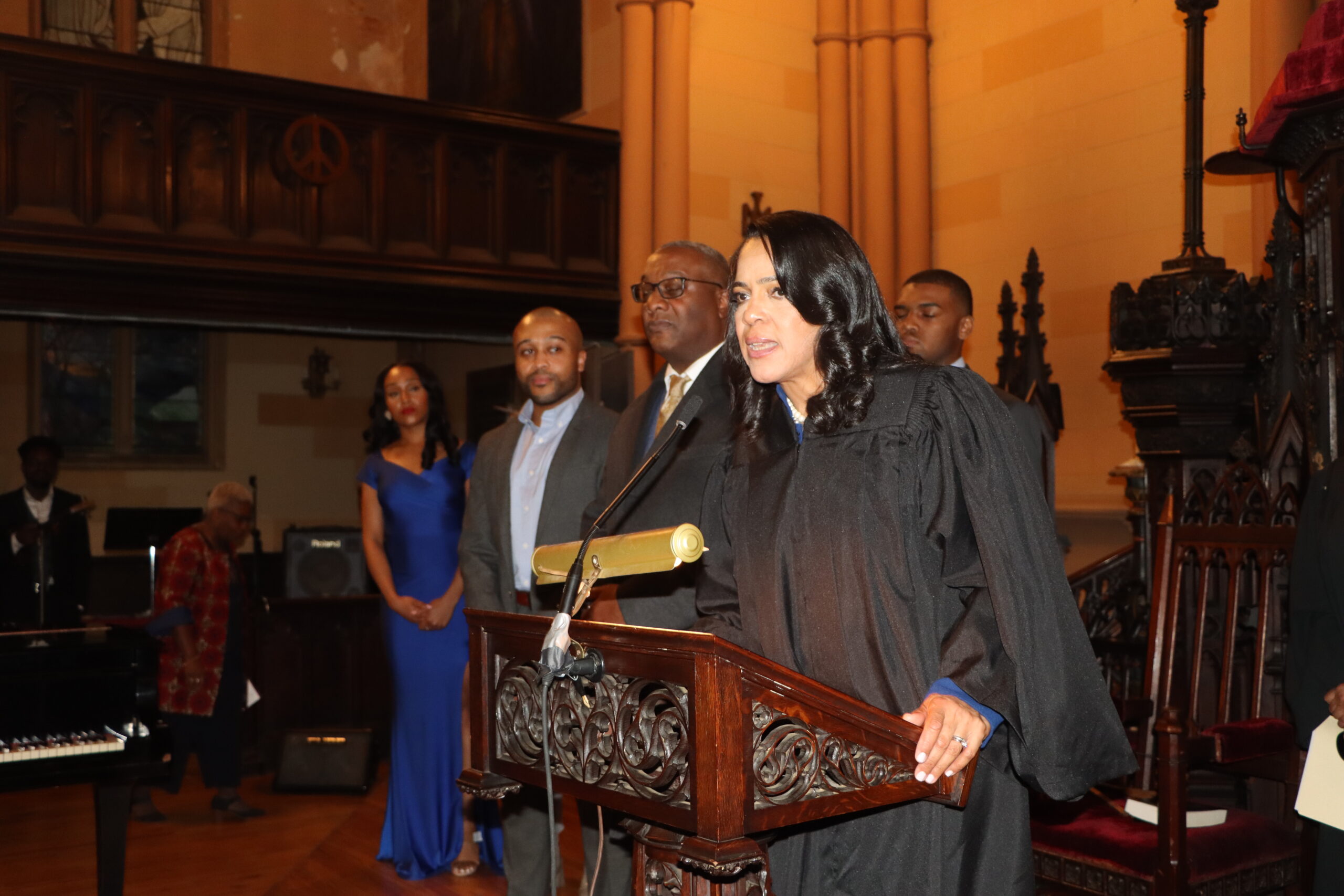 Hon. Linda Wilson addresses the gathering post-swearing-in, sharing her vision and commitment to justice and community service in her new role.
Linda Wilson was born and raised in Park Slope as a third-generation Brooklynite. She obtained her juris doctor from Columbia University School of Law.
Before becoming a judge, Wilson built a career in New York’s legal system, first serving as a law clerk in the New York State Appellate Division, then a principal appellate court attorney and a senior principal law clerk.
Wilson said she lived for the law when asked to disclose something about herself that speaks to the heart and soul of Brooklynites.
“I decided that I was going to be a lawyer when I was nine years old. I believe that justice is not just a mantra or an ideal,” she continued. “As a lifelong Brooklynite, I get the pain. I understand the problems. I see the issues all day, and I like making a difference.”
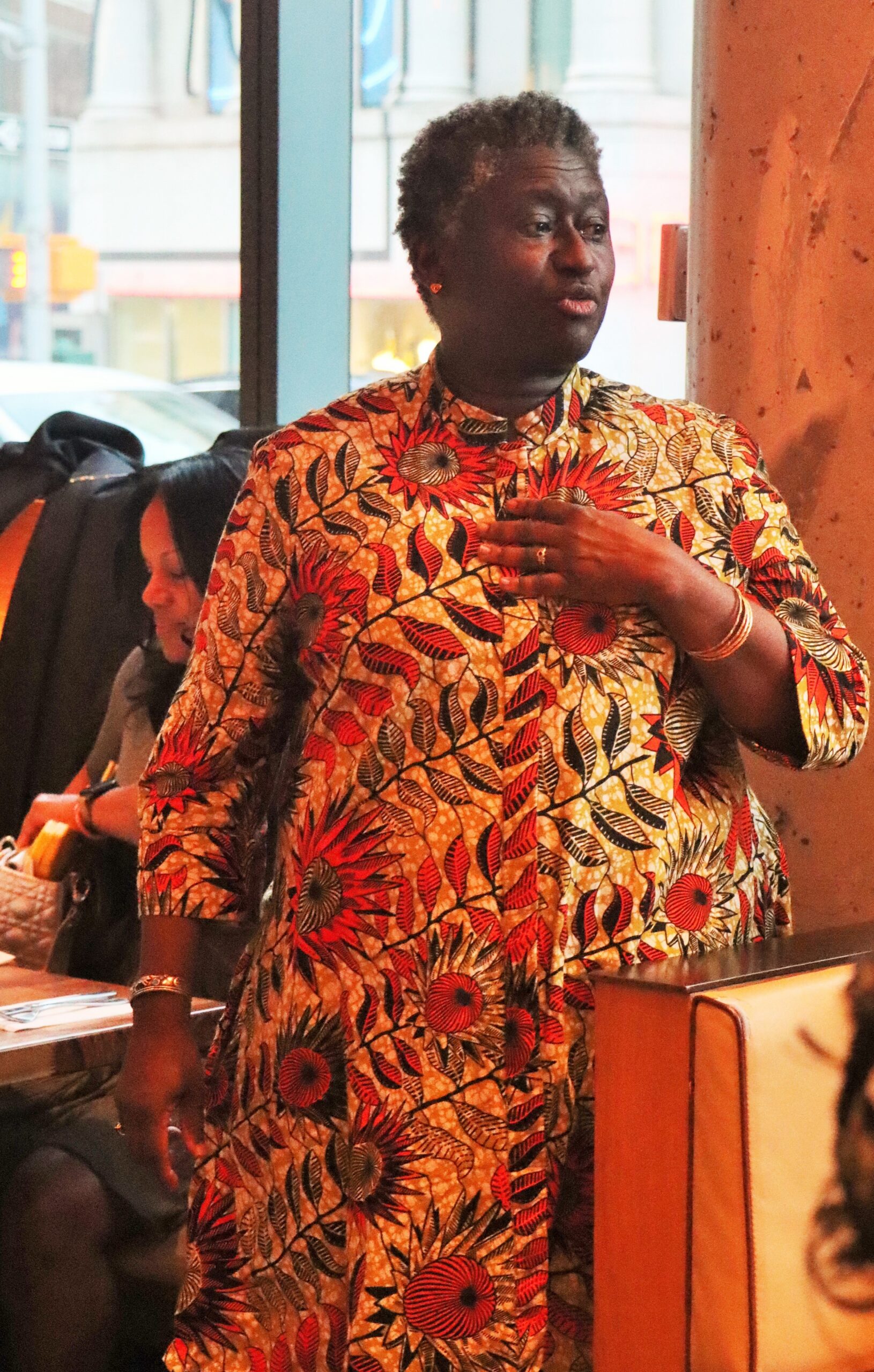 Hon. Ellen Edwards. Photo: Mario Belluomo/Brooklyn Eagle
Ellen Edwards, a lifelong resident of Brooklyn, emphasized an integrated approach to the justice system, incorporating social work and taking a holistic view of individuals rather than treating them solely as cases.
She earned her bachelor’s degree in Urban Legal Studies from the City College of New York and her juris doctor from Emory University School of Law. As a judge, Edwards has issued published decisions in areas such as insurance disputes, medical supply litigation and landlord-tenant matters.
“I love being a judge and serving my community,” she said.
Edwards was asked her views on the balance between alternatives to incarceration and public safety.
“Each case has to be determined on its individual basis,” Edwards said. “In terms of Criminal Court, you have to look at one’s rap sheet and see what the proclivity of that person is. For some people, releasing them right away is not the safest thing for the community, but others — with proper supervision, they can be helped.”
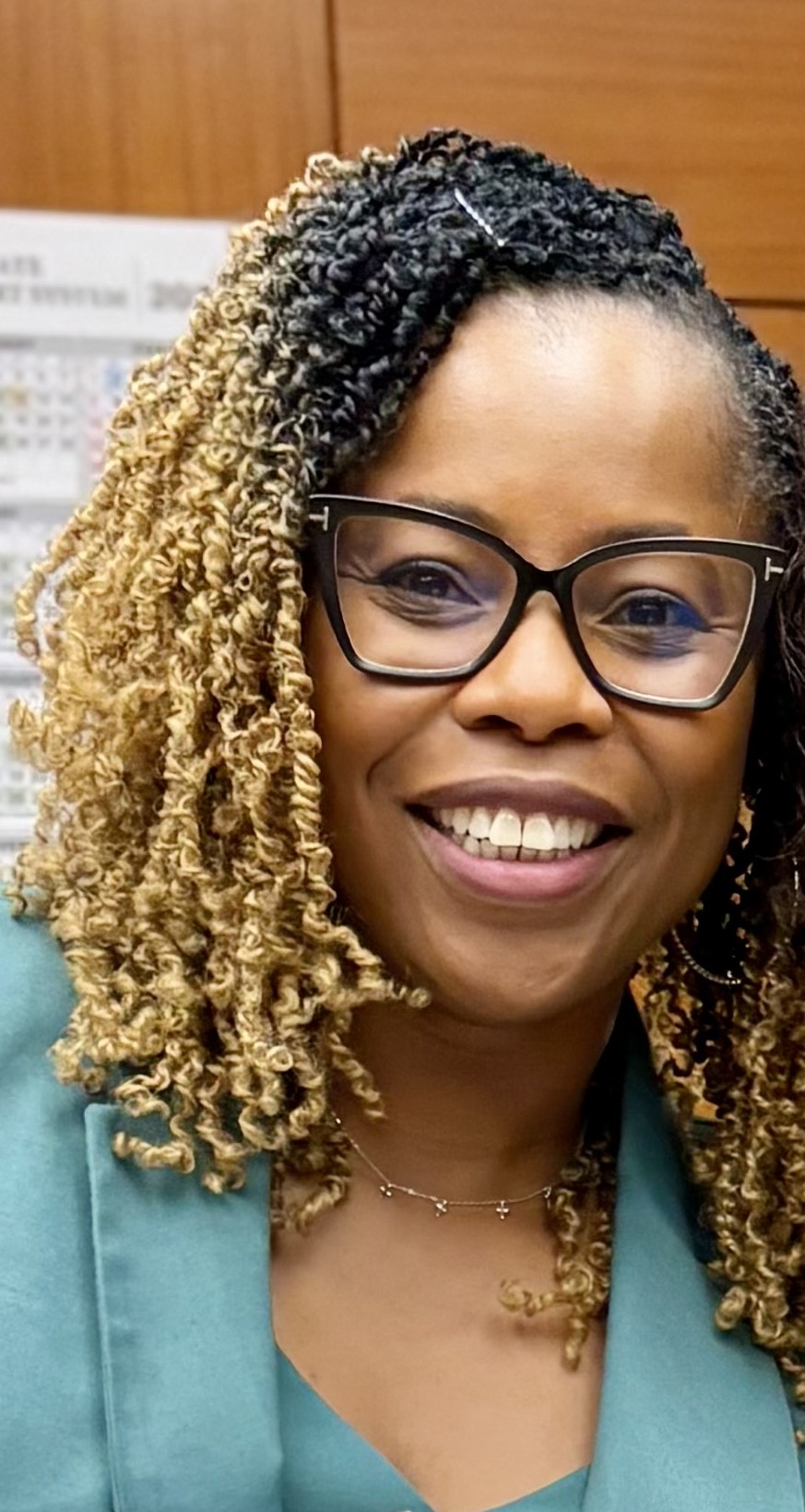 Hon. Lola Waterman. Photo: Wayne Daren Schneiderman/Brooklyn Eagle
Lola Waterman was raised in the U.S. and educated in Nigeria. She received her juris doctor from New York Law School.
Before becoming a judge, she worked as a practitioner specializing in immigration, elder law and estate planning, later serving as a principal law clerk and then as special referee for Uncontested Matrimonial Matters in the New York State Unified Court System.
Waterman was questioned on deed theft, the fraudulent transfer of a homeowner’s property through forgery or deceptive practices.
“There are many reasons for this problem,” she responded. “But one of the main factors is lack of estate planning — the lack of a plan for transferring generational wealth. It’s so important to plan for the future. Make sure that you have things in place, whether it’s a trust, a will — have those things in place to protect your assets.”
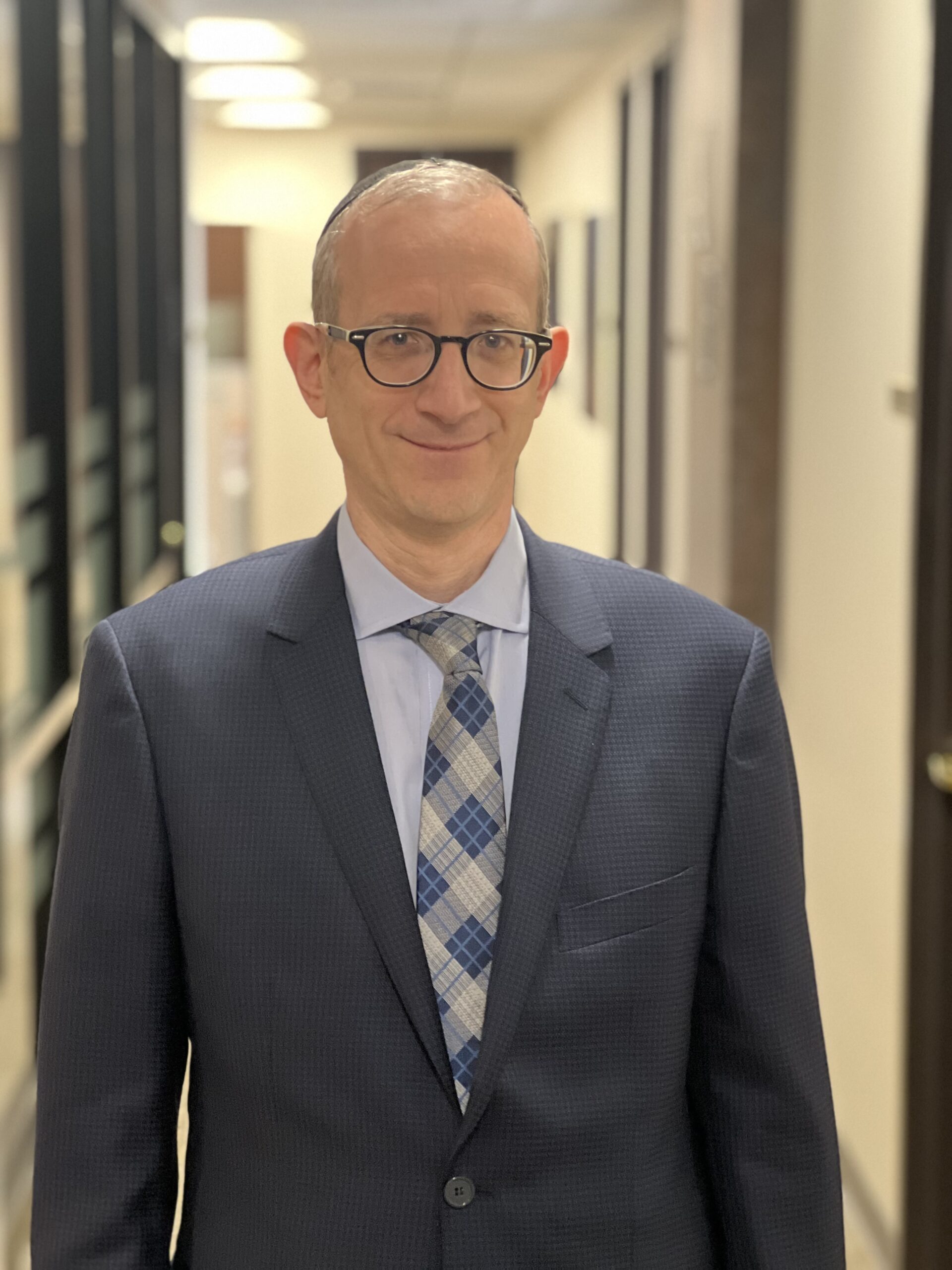 Mark Kagan. Photo by Wayne Daren Schneiderman
Mark Kagan, a graduate of Brooklyn Law School, has presided over a range of civil cases, including disputes involving insurance, property and commercial contracts.
He has worked as a court attorney for the Supreme Court of the State of New York, where he conducted legal research, analyzed statutes and case law, and drafted legal memoranda and orders for judges.
“I’ve seen a lot of what goes on in the courthouse, and I would be hard-pressed to find an issue that came across my desk that I would not know how to deal with,” he said when asked why he would be a good candidate.
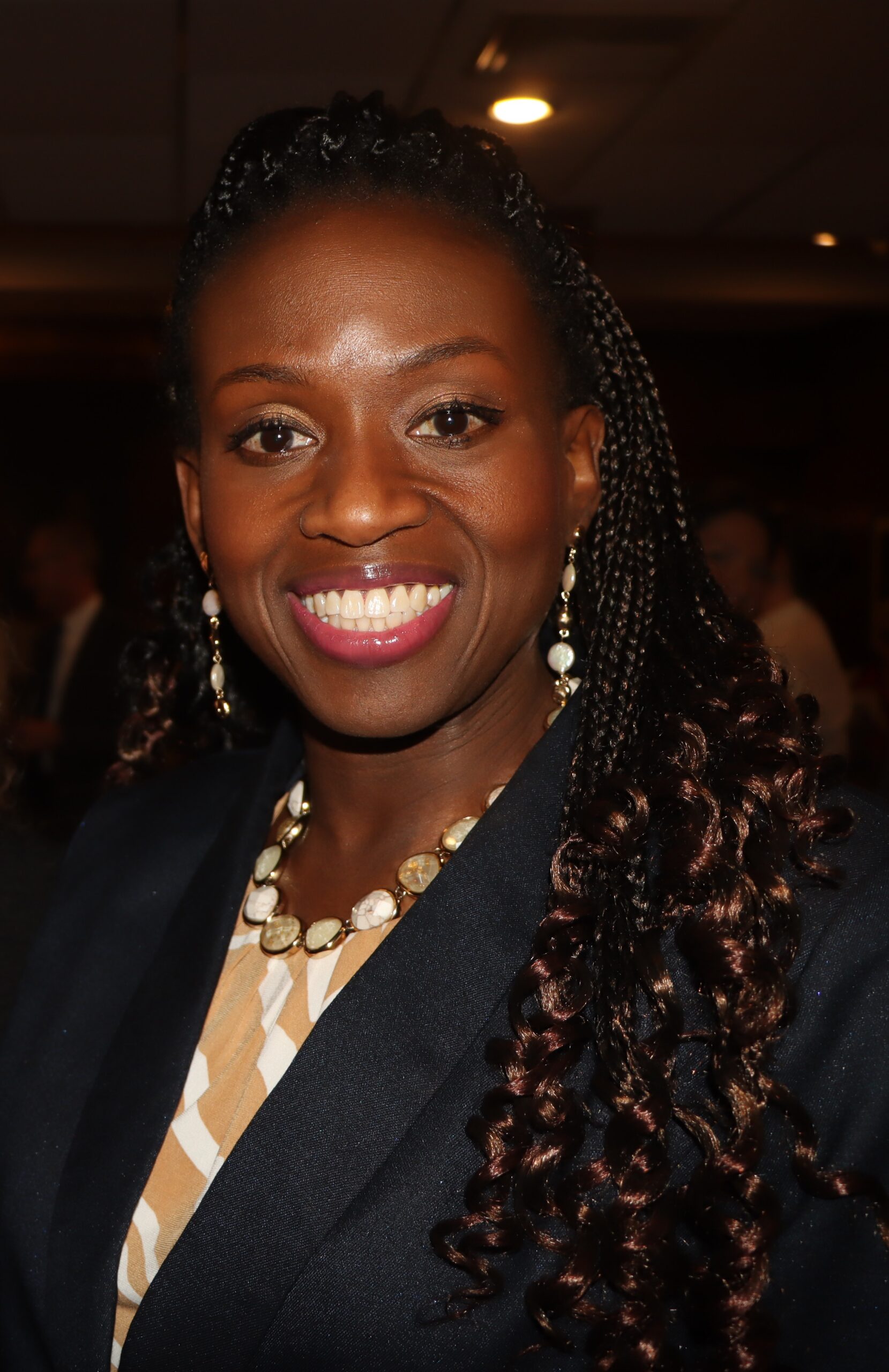 Hon. Betsey Jean-Jacques. Photo: Mario Belluomo/Brooklyn Eagle
Betsey Jean-Jacques graduated from Syracuse University College of Law and began her legal career in 2007 with the Mental Hygiene Legal Service in the Appellate Division, Second Department, where she tried over 1,200 cases. She has also worked in the New York County Family Court and the Kings County Supreme Civil Court.
When she was growing up, her father gave her three career options: doctor, engineer or nurse. But after seeing a woman in a robe on a televised Supreme Court program, she decided to become a judge.
Jean-Jacques was asked what she would bring to the table as part of the Supreme Court.
“One of the things that is unique about me is that before I was a lawyer, I was a social worker,” Jean-Jacques said. “I have seen people at their most vulnerable moments. I also represented the mentally ill. I think that seeing people as opposed to just a docket, in addition to being a good listener, is very important.”
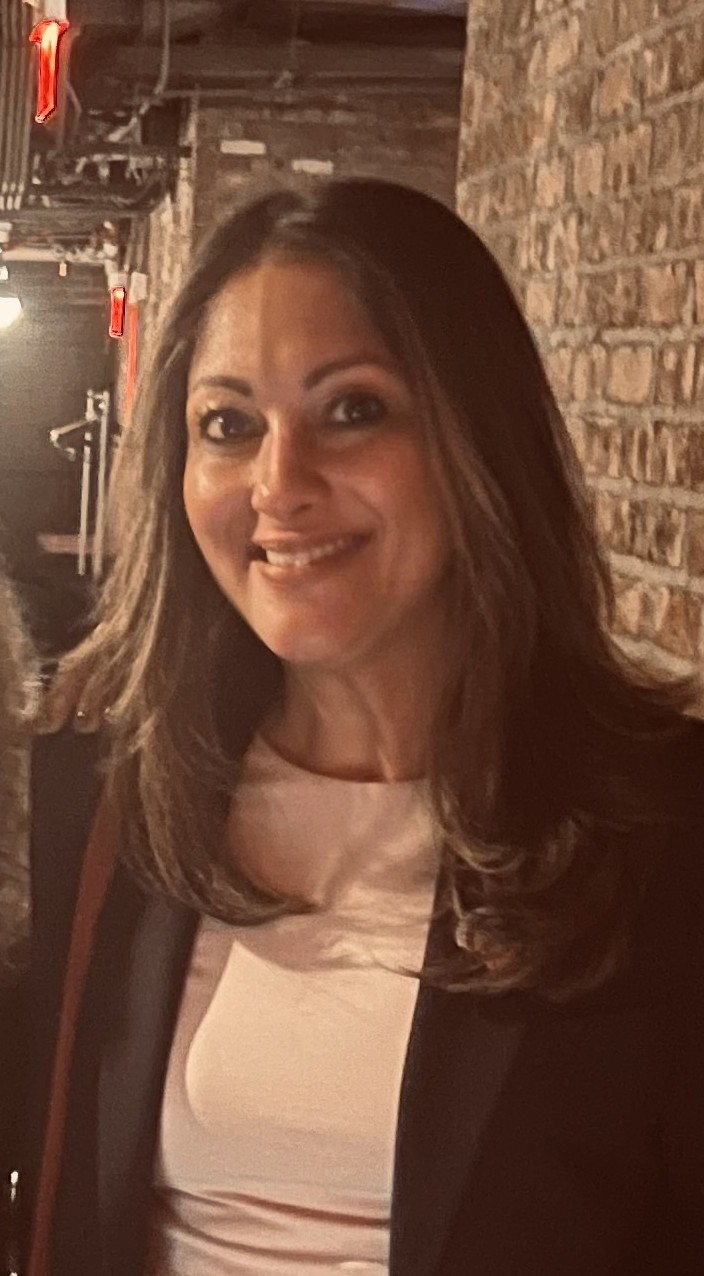 Hon. Rena Malik. Photo: Wayne Daren Schneiderman/Brooklyn Eagle
Rena Malik is known for handling a range of civil matters, including contract disputes, property cases and business litigation. Malik is also the first person of South Asian descent elected to the bench in Brooklyn.
“Every case means something to someone,” Malik said. “I work with integrity and honesty. I also firmly believe that diversity and inclusion in the courts is important — having a judiciary that reflects the people that it serves promotes confidence and trust in the system.”
When asked about e-filing and how she thinks technology and procedural reforms should be factored into modernizing the court system, Malik said, “E-filing enhances procedural justice in ways where litigants can easily go to a website and see all of the filings, including everything that’s happened in the case before. It most certainly enhances the system, and in turn, makes things much quicker.”
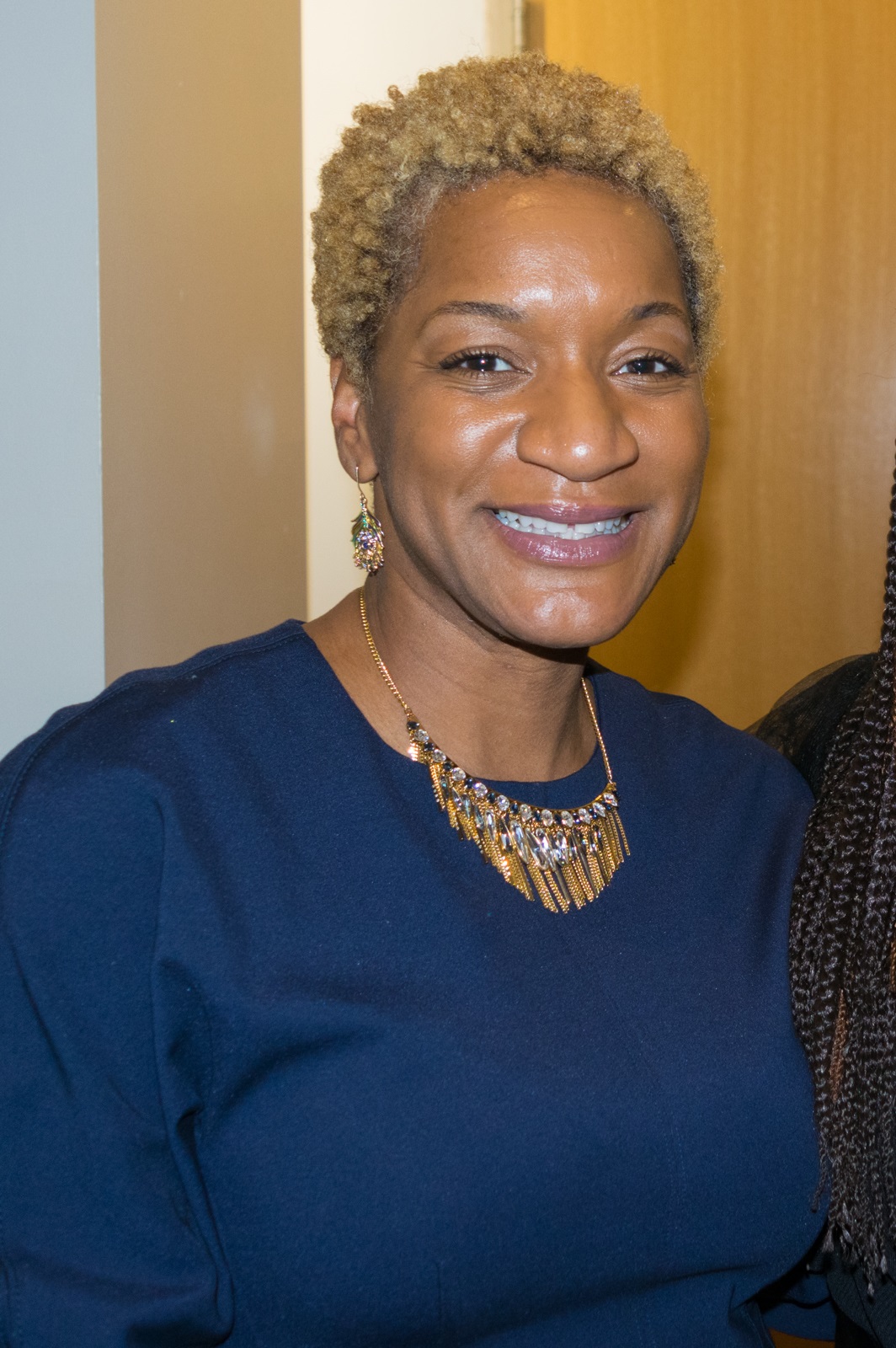 Hon. Sherveal Mimes will join the Civil Court in 2023. Photo: Robert Abruzzese/Brooklyn Eagle
Sherveal Mimes has built a long career in New York’s legal system, transitioning from a principal court attorney to a judge, with extensive experience in both judicial administration and legal education. Mimes received her juris doctor from the Cecil C. Humphreys School of Law at the University of Memphis.
When questioned about artificial intelligence and its use in the courthouse, Mimes responded, “I think that AI is here to stay, and we have to figure out how we are going to navigate it and balance some of its risks.”
Mimes said she would like to retire from the bench with people saying she was a smart and thoughtful judge who was passionate about what she did, when asked what legacy she would like to leave as a Supreme Court jurist.
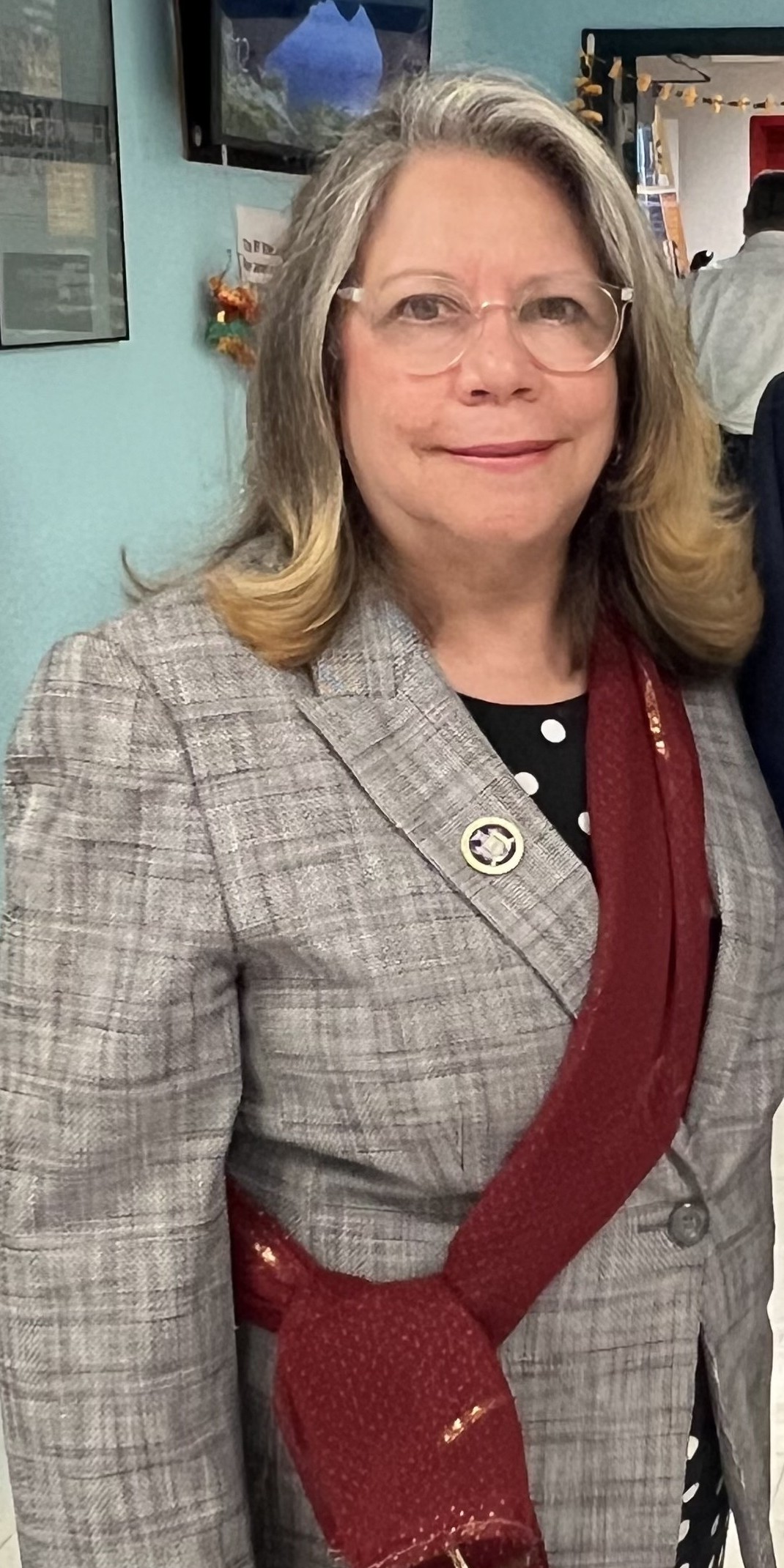 Hon. Carmen Pacheco. Photo: Wayne Daren Schneiderman/Brooklyn Eagle
Carmen Pacheco’s legal journey began in college, where she and a classmate envisioned founding a law firm together. In 1992, they established Pacheco & Lugo, the city’s first Latina-owned law firm.
Pacheco practiced commercial law for over 30 years, building a reputation as a skilled litigator and legal scholar. She was also the first person of Peruvian descent to serve in the New York judiciary. In 2025, Pacheco was appointed supervising judge of the Civil Court of the City of New York–Kings County.
Pacheco was asked what judicial temperament means to her. “It means having self-control and patience, all while being fair,” she said. “You have to be soft spoken sometimes and rule with a smile, but that doesn’t mean you can’t be tough when the situation calls for it.”
What’s next for the candidates?
Next up for these Supreme Court hopefuls is the Aug. 6 Judicial Convention, where delegates will formally vote to nominate them for the November general election.
Brooklyn Democratic Party Chair and Assemblymember Rodneyse Bichotte Hermelyn told the Brooklyn Eagle that the party is all about openness, transparency and public engagement.
“We want to ensure that our courts are served by individuals of the highest integrity and character,” Bichotte Hermelyn said.
The Brooklyn Democratic Party is one of the largest Democratic county organizations in the United States. Its stated mission is to elect Democratic leaders who reflect Brooklyn’s diversity and to improve the lives of Brooklynites through grassroots organizing and policy advocacy.