

Focusing on what you can control is a timeless principle for reducing stress and increasing personal effectiveness. While external events swirling around us are often beyond our influence, it’s our mindset, and how we deal with and respond to challenges, as well as the choices we make that are truly within our control.
Queens native and best-selling author Tori DaCosta’s journey from her humble beginnings in New York City to a former entrepreneur in North Carolina to a dynamic leader within a Fortune 50 company and founder of Journey Stone has led to a successful career helping individuals and organizations navigate challenges, strengthen leadership capacity and create meaningful results. Through her motivational speaking, coaching and writing, she challenges conventional thinking about leadership by emphasizing a simple truth: The way we lead ourselves ultimately determines how effectively we lead others.
Through the transformative power of ownership, DaCosta helps close the gap between potential and performance. Drawing from real-world experience, she teaches people to take ownership of their growth and master decision-making, while giving them the tools they need to lead effectively, with clarity and confidence, in every aspect of their lives: business, family, community and personal enrichment.
“While there is very little we can fully control, taking ownership of what we can shifts our mindset from feeling powerless to purposeful action,” she explained.
In her award-winning book, “No Name Bastard: How Our Lives Teach Us What We Can Control, Manage, and Influence” (recipient of the National Indie Excellence Award for Inspiration and the Independent Publisher Book Award for Self-Help), the author skillfully blends powerful storytelling with a practical framework to help readers examine their personal experiences, reclaim their narrative and focus on
what they can control, manage, and influence. Learn how to unlock your potential to guide, inspire, and lead others – whether you’re an entrepreneur, manager, coach, parent or community leader.
At its heart, “No Name Bastard” explores how our experiences shape us and how we learn to navigate what we can and cannot control in life. It focuses on self-leadership, resilience and the choices we make when life doesn’t go according to plan.
DaCosta said she wrote her book “during a season of transition.”
“I was just weeks away from completing my Executive MBA, and although I had accomplished something that took hard work and discipline, I still felt like I needed to do something more than what I was preparing for. I needed to impact people in a deeply personal way,” she noted. “Professionally, I coached leaders who struggled with imposter syndrome, self-doubt and the pressure to constantly prove themselves. Personally, I realized many of those struggles stemmed from the stories we carry about our own worth.”
The backstory
“Growing up in Jamaica, Queens, taught me resilience long before I knew the word. There is so much nostalgia when I think about my childhood there,” said DaCosta, who is currently based in North Carolina.
“One of the greatest gifts of growing up in Queens – and New York, in general – was being surrounded by people from different cultures and walks of life. Hearing different languages and living in a diverse community gave me an early appreciation for people and the unique experiences that shape our perspectives. I didn’t realize it at the time, but those experiences profoundly influenced how I lead today. They taught me to be curious before making assumptions, to value different viewpoints and to recognize that every person has a story.”
“Every challenge, decision and moment shapes your story.”
QNS: Describe some pivotal experiences that shaped your life and leadership philosophy, and the journey that ultimately led to writing your book.
Tori DaCosta: Early life experiences shape how we see ourselves, other people and the world around us. Several experiences are shared in the book. Experiences like witnessing a friend’s death at an early age gave me a different perspective on life that might have taken years to gain otherwise. And learning at the age of 18 (in a public setting) that the name I used my whole life wasn’t my own was jarring.
As I grew personally and professionally, I began to recognize how decisions, whether made by me or someone close to me, influenced beliefs about who I was. That realization transformed the way I lead. Today, my leadership philosophy is rooted in the belief that leadership begins with self-awareness and self-mastery. We all have blind spots, but before we can effectively lead others, we must understand ourselves, challenge the narratives that no longer serve us and take ownership of what we can control, manage and influence. That journey ultimately became the foundation for No Name Bastard.
QNS: What are some things that readers can learn and use in their work and everyday life?
TD: They’ll connect with deeply personal stories that invite them to reflect on their own experiences and see them with new eyes. Throughout the book are reflection prompts and exercises designed to help readers better understand themselves and recognize the stories influencing their decisions. They’ll also learn a simple framework for distinguishing what they can control, what they can manage and what they can influence to reduce overwhelm, improve decision-making and create greater personal accountability in every area of life.
QNS: One word that defines exceptional leaders?
TD: TRANSFORMATIONAL. The people supported by great leaders are not the same after working with them. Competence and the ability to communicate may get you invited to the table. But character determines whether people want to stay at the table with you. Assuming decision quality and business acumen are equal, how a leader treats people becomes the differentiator. Exceptional leaders genuinely care about developing others and understand that success isn’t measured only by what they accomplish, but by what they help others accomplish.
QNS: How do you maintain resilience during setbacks?
TD: I remind myself that every challenge is temporary. Setbacks have an expiration date, and the decisions we make often influence how quickly we move through them. During difficult times, I return to the simple framework shared in the book: What can I control? What can I manage? What can I influence? I also ask myself, ‘What can I learn from this?’ That question moves me forward. Asking ‘Why me?’ is not helpful to anyone.
QNS: How has your definition of leadership evolved throughout your career?
TD: Today, I believe leadership is about creating an environment where people become more than they believed possible. Early in my career, I thought leadership was about having the right answers and producing results. Results still matter, but sustainable results come from developing people. Leadership is less about being the smartest person in the room and more about helping others discover what they’re capable of, and sometimes that warrants difficult conversations.
QNS: What leadership qualities are most important in today’s rapidly changing business environment?
TD: Adaptability, curiosity, emotional intelligence and courage. The pace of change is fast, and leaders can’t rely on what worked yesterday. Strong leaders are lifelong learners that remain coachable, make thoughtful decisions with incomplete information and communicate with transparency to help foster trust.
QNS: How is AI reshaping businesses and jobs?
TD: I see AI as an amplifier – it makes strong leaders more effective, and it magnifies weak leadership if foundational skills, such as empathy, judgement and trust aren’t present.
Love it or hate it, artificial intelligence has already changed the business landscape, and AI will continue to drastically change how work gets done. I believe human-centric skills will become even more valuable. Organizations that combine technology with strong leadership, emotional intelligence, critical thinking and adaptability will have an advantage. The future belongs to organizations that develop people just as intentionally as they develop technology.
Businesses must be willing to rethink how they develop talent. As AI takes on more of the work traditionally assigned to entry-level roles, organizations risk losing the experiences that have historically prepared people for growth within the company. Those early roles weren’t just about completing tasks –they were where people learned judgment, communication, problem-solving, how to lead others and the basics of the business. If that pipeline changes, companies will need to become much more intentional about creating new pathways to develop future leaders.
QNS: Can you share a leadership lesson you learned the hard way?
TD: One lesson I learned early on is not to take business decisions personally. Leaders must make decisions that won’t make everyone happy. If a leader’s identity is tied to the approval of others, they’ll avoid making the difficult decisions that leadership requires. I’ve learned that you can genuinely care about people while still making hard decisions that serve the greater mission – and this is coming from a former people-pleaser.
QNS: How do you build trust and accountability?
TD: Trust begins with consistency. People know what to expect from me, and accountability isn’t about policing people – it’s about setting clear expectations and setting standards that align. Communication is key, and it helps when people understand both the ‘what’ and the ‘why.’
QNS: How do you help leaders overcome self-limiting beliefs?
TD: The first step is awareness. Oftentimes, leaders are unaware of the belief that is limiting. One of the concepts discussed in No Name Bastard is the ‘flinch.’ It’s that thing that makes us hesitate, procrastinate or make an excuse as to why we should not or cannot do something. Once a leader is aware, the work of overcoming begins. Acknowledgment and the willingness to face the belief and replace it with a new one is just the beginning.
QNS: Qualities that high-performing leaders possess?
TD: High performers are intentional and strategic. They create time to think. They seek feedback, make decisions without unnecessary delay and consistently invest in their own growth. They also understand that productivity isn’t about doing more; it’s about focusing on the few things that create the greatest impact.
QNS: Some sound advice every emerging leader should hear?
TD: Learn to think before you react. Ask better questions, especially before you give answers, and remember that leadership starts with understanding yourself before leading others.
QNS: What’s one skill every professional should develop?
TD: Emotional intelligence. It comes more easily to some people than others, but it can be learned and is essential in today’s professional arena. As technology continues to transform work, human skills like empathy, communication and emotional regulation will become even more valuable.
QNS: How do you approach decision-making during uncertainty?
TD: Progress usually comes from informed action, not perfect conditions. First, I recognize the fluid nature of many circumstances because rarely is certainty a factor. I have seen business environments change in rapid and unpredictable ways. As a leader, I focus on what I can control, manage and influence – the framework shared in the book. Waiting for certainty often creates more risk than making a thoughtful decision with the best information available.
QNS: What role does company culture play in long-term business success?
TD: Culture influences decision-making, innovation, employee retention, customer experience and ultimately, the business’s performance. Most business leaders are familiar with the quote attributed to Peter Drucker: ‘Culture eats strategy for breakfast.’ Culture is instrumental to success. It shapes how people experience leadership, their coworkers and their work environment. (Rarely does environmental aesthetics get a mention when discussing culture, but it’s important. It supports the environment and allows people to take pride in where they work.) Organizations don’t outperform their culture for very long, and high performers will not tolerate a toxic environment – losing the most capable people definitely impacts the bottom line.
QNS: How do you encourage innovation?
TD: Innovation begins with curiosity and the willingness to challenge the status quo. If we assume there’s only one way to do something, we’ve already stunted growth. Innovation starts with asking better questions, exploring different perspectives and continuously looking for opportunities to improve how we serve the people we are responsible for better. That only happens when people feel safe to share ideas, challenge assumptions and take thoughtful risks without fear of judgment.
QNS: What makes a keynote speech truly memorable?
TD: A great story. Frameworks are good. Message points can be powerful. But a good story sticks; people remember them.
QNS: How do you tailor your message to different audiences?
TD: My objective is for people to leave with practical tools they can immediately apply to lead themselves more effectively and create a greater impact on the people around them. Whether I’m speaking on a podcast or standing in front of a live audience, my goal is the same: to give people what they need. While my message consistently centers on personal leadership, resilience and rising to meet the challenge, I tailor the examples, language and application to the audience. Every audience faces different circumstances, but one thing is universal – we will all encounter challenges. It’s never a matter of if, but when. The difference lies in how we respond.
QNS: What’s the most memorable audience reaction you’ve experienced?
TD: Silence. There are moments when a room becomes so quiet you could hear a pin drop. Not because people are disengaged, but because they’re completely present. They’re reflecting, connecting the message to their own lives and considering what they’ll do differently because of it. In those moments, no matter how many people are in the audience, it feels like I’m having a conversation with one person. That’s incredibly rewarding because it tells me the message isn’t just being heard – it’s being felt. My goal is to create that moment of alignment because transformation rarely comes from more information; it comes from seeing ourselves differently.
QNS: Which daily habits keep you focused and productive?
TD: Quiet prayer time in the morning has been the most impactful daily habit. It is instrumental to my faith, my mindset and staying grounded throughout the day.
QNS: What do you do for fun and to relax?
TD: I know ‘spending time with family’ can sound like a cliché answer, but it’s genuinely what brings me the most joy. Beyond that, I’m a big believer in staying active. Running has been my go-to for the past few years because it gives me time to think, reflect and recharge. I also love being outdoors.
Some of my favorite memories growing up in Queens are playing outside until the streetlights came on. That was everyone’s signal that it was time to head home for dinner. While a lot has changed since then, one thing hasn’t – I still appreciate a great meal. Whether it’s discovering a local restaurant while traveling or sharing dinner with family and friends, breaking bread with people I care about is one of my favorite ways to relax and reconnect.
QNS: Best career advice you’ve ever received?
TD: Treat every opportunity as entrepreneurial. In other words, approach your role, your project or your department as if you’re running a business—not as an employee waiting for permission. That advice aligned perfectly with how I naturally operate. Over the years, I’ve found there’s a clear difference between people who take ownership and create value and those who wait to be told what to do. Organizations tend to reward people who think beyond their job description and execute as owners.
QNS: Biggest productivity hack?
TD: Thinking quarterly and setting a daily intention to achieve quarterly goals increases the likelihood of successful execution. I am a fan of 12-week year planning. Setting and focusing on a quarterly plan allows enough time to achieve goals without too much time to forget them, which is usually the case with annual goals.
QNS: What’s next?
TD: I’m excited to continue expanding Journey Stone and the impact of personal leadership through keynote speaking and leadership development. My mission is to help individuals grow their impact and help organizations develop leaders who create meaningful results without losing themselves in the process. I also look forward to continuing the conversations that No Name Bastard: How Our Lives Teach Us What We Can Control, Manage, and Influence has started. My hope is that the book becomes more than something people read, and that it serves as a catalyst for meaningful reflection, courageous conversations and lasting personal growth.
QNS: Your final message for aspiring leaders?
TD: When you master yourself, your ability to positively influence others grows exponentially. Don’t build your life around the path you think you should follow. Too many people pursue goals that look successful on paper but aren’t aligned with who they are. Real leadership begins when you understand yourself, take ownership of your choices and have the courage to define success on your own terms.
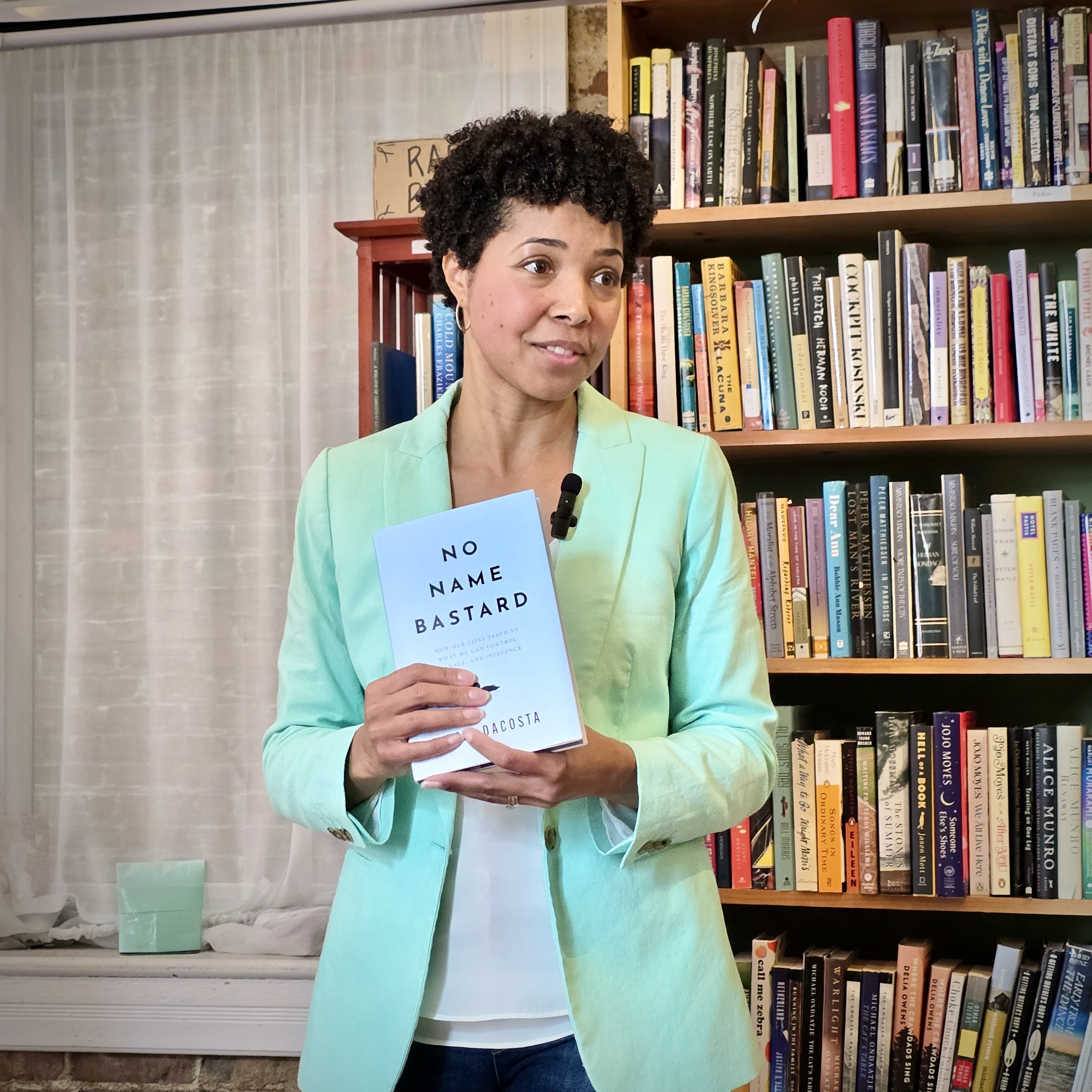 Photo credit: Eleni Gates of Gatehouse Communications Strategies
“The title of my book, ‘No Name Bastard’ gets people’s attention, and that’s intentional. It pays homage to the first three chapters and to a very personal part of my story. But the book isn’t about the title – it’s about what the title points to,” DaCosta said.
“We all experience moments in life that can shape how we see ourselves: adversity, disappointment, rejection or unexpected circumstances. The book explores how those experiences can either define us or develop us. My hope is that readers walk away understanding that while we can’t control everything that happens to us, we can control how we respond, what we learn and who we become.”
No Name Bastard is available wherever books are sold, and readers can purchase the hardcover, digital version and audiobook. (Most readers purchase it on Amazon).
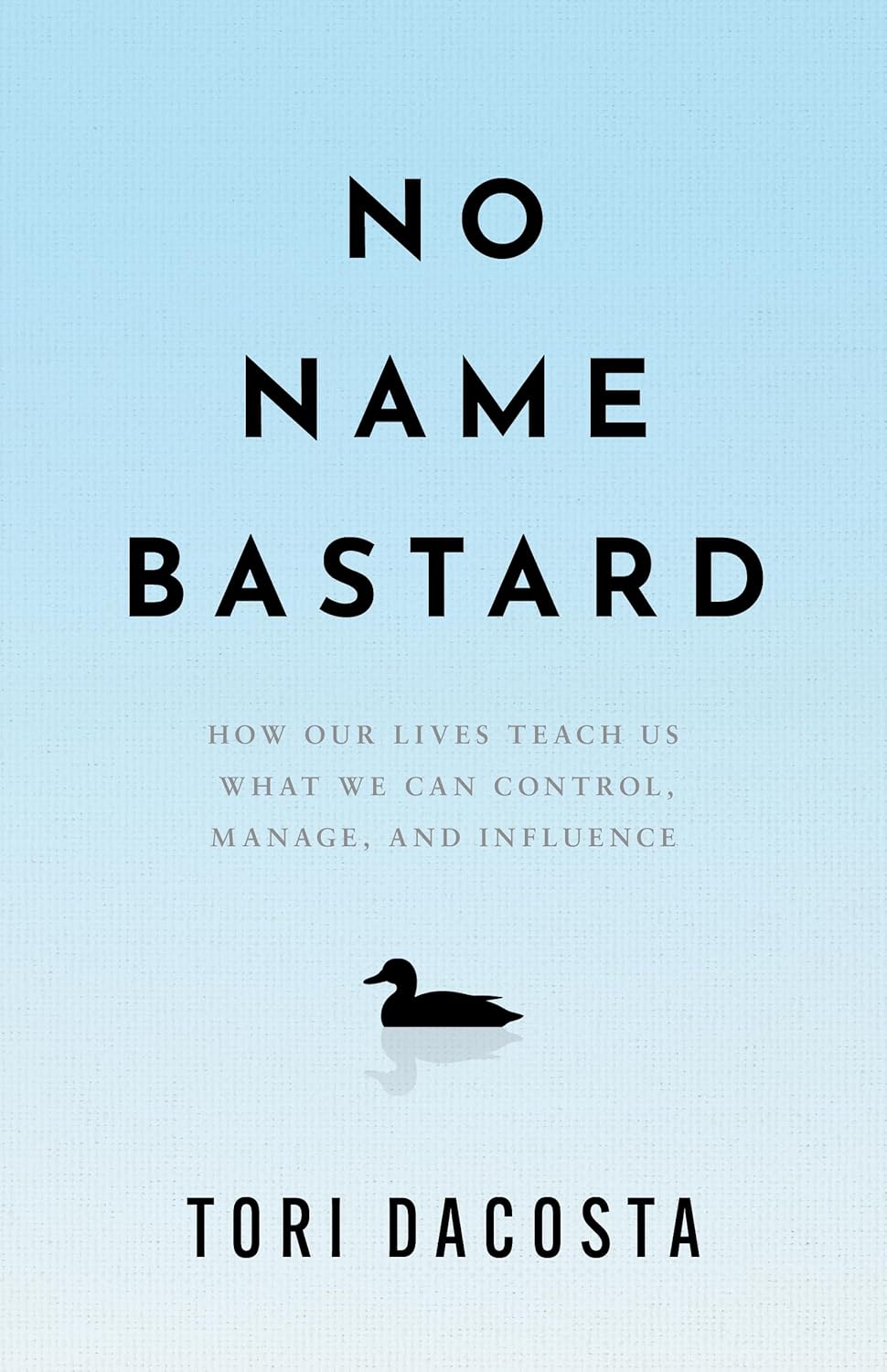 Photo credit: Greenleaf Book Group, LLC