
Montague Street’s unique structure is by inheritance, rather than design. The street runs from the civic plaza at Borough Hall and the Brooklyn Municipal Building down to the Promenade overlooking the harbor.
In between, the street is boxed in by the brownstones of Brooklyn Heights, one of the city’s first historic districts, and features a concentration of subway stops delivering commuters, jurors reporting to the county courthouse, tourists heading to the Promenade and residents.
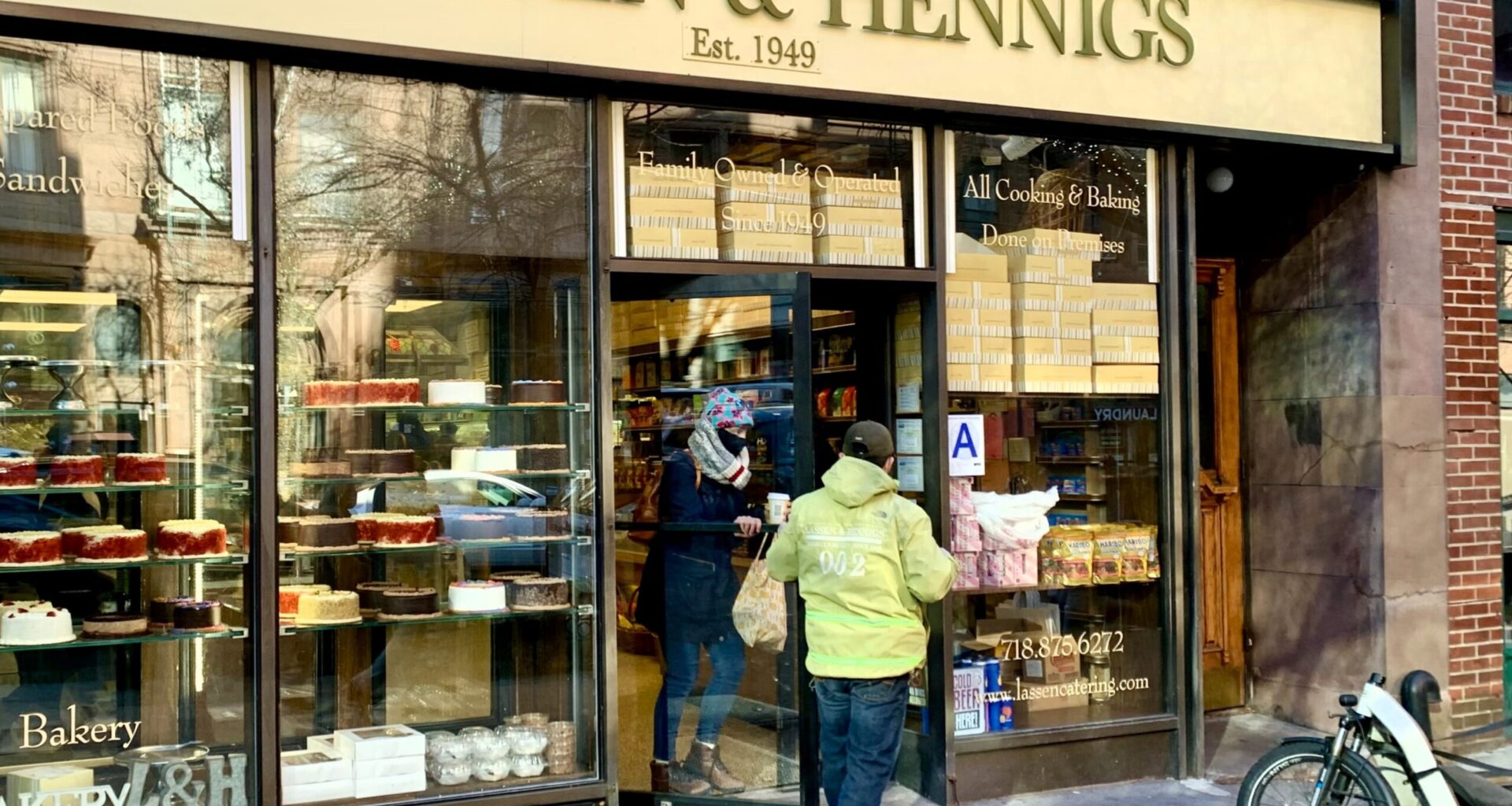
Because the district is landmarked, the street’s rowhouse architecture never got flattened into uniform storefronts the way many retail areas did. Buildings originally built as private houses weren’t torn down and rebuilt as single-level retail boxes. Instead, shopkeepers took on pre-existing space, whether it be a raised parlor floor behind a stoop, a garden level below it, or upper floors originally intended as bedrooms and offices.
Landlords have been pricing accordingly ever since.
Christopher Thomas of Brown Harris Stevens, a real estate brokerage, said there is a clear hierarchy to retail rents on Montague Street. “A walk-in space rents for considerably more money than those that require stairs.”
Thomas explained that street-level storefronts are most coveted, while garden-level and second-floor spaces were comparable.
Accessibility concerns keep certain businesses out of spaces that require stair access. For example, any business that draws children and families has to avoid stairs because of strollers.
“Nail salons, restaurants and hair salons can all do alright on the second level, but anything where you would conceivably have handicapped access or children would not be considered for second-floor spaces,” Thomas explained.
Currently, street-level spaces on Montague Street are priced at about $35,000 a month, whereas second-floor and garden-level spaces vary widely but tend to run around $10,000 a month.