
Randy Wilson was known as someone who would do anything for anyone.
“He was very family-oriented… he was kind, and he took care of people,” Sandra Wilson said of her son, who died July 14.
Randy Wilson, of Deer Park, Orange County, regularly used the drug kratom since 2016 to relax or as a mood booster. He typically drank a kratom mixture daily, including the day he died.
The 31-year-old had a seizure while at home with his family and died within minutes.
“We started CPR, but he was probably gone before the paramedics even got here,” Wilson said of her late son. “But they did everything they could.”
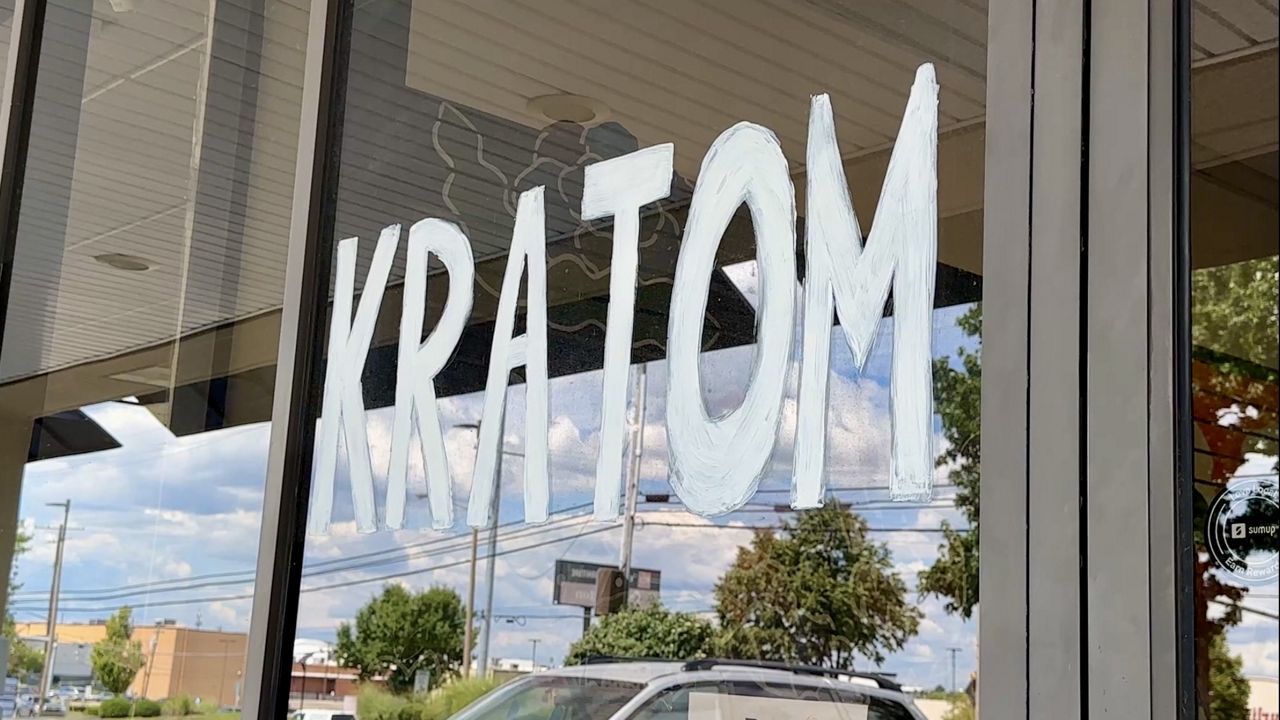
Kratom is a leaf that naturally occurs in Southeast Asia that has mild sedative effects when chewed. But there’s concern when kratom is developed into powder, gummies or other products, it’s often no longer safe and poses serious health risks.
Wilson said her son thought the product came from a plant, so it was natural and safe to drink.
His autopsy showed the drug was the only thing in his system at the time of his death, and signs of mitragynine toxicity, she said.
“Basically, it’s like he was poisoned,” the grieving mother said.
Randy Wilson is one of several New Yorkers who have died in the last few years after consuming kratom products. Others have contacted state lawmakers about the unregulated substance — prompting bipartisan support to protect New Yorkers from the potential health risks.
Gov. Kathy Hochul is reviewing two bills that unanimously cleared the Legislature. One would prohibit the sale of kratom to people under the age of 21, and the other would require a warning label to be printed on all kratom products about the drug’s serious health risks, and that it’s not approved by the U.S. Food & Drug Administration.
“The warning label is very accurate and people should have that information,” Assembly sponsor Phil Steck told Spectrum News 1 on Thursday. “If they [users] want to decide they can go forward notwithstanding, so be it.”
Steck said he recently handed Hochul a letter from a mother in the Capital Region whose 25-year-old son died after using the drug.
The $1.5 billion kratom industry is lobbying Hochul hard — trying to get her to water down the bill, Steck said. But the assemblyman said he’s hopeful the governor understands the issue and will sign it into law. She has until Dec. 31 to make a decision.
“The natural product is the leaf, and that’s not what they’re selling,” Steck said. “They’re selling powder, they’re selling pills, they’re selling synthetics.”
State Sen. Pat Fahy said she’s hopeful the governor will also sign her bill to prohibit product sales to people under age 21.
“People say we over-regulate in government, but if we’re not raising red flags on these issues and we’re still seeing youth going in to get what has become a popular psychoactive substance, into gas stations, we have to raise the alarms here,” Fahy said.
Randy Wilson’s mother is fighting for a full statewide ban of the drug, and said people often use it as a pain reliever and don’t know it’s addictive.
“A lot of people say it’s an alternative to opioids, but what it does is it attaches to the opioid sensors in your brain and the withdrawals and everything are very severe,” she said. “It’s a very addictive product.”
Sandra Wilson said the regulations are a start, but lawmakers at the state and federal levels should completely ban kratom products.
“We need a full ban,” she said. “When you look up the deaths of the people, they’re all over 21. The over 21-year-olds are the ones that are using this.
Steck and Fahy said they need more data before considering a full ban.
“When it comes to substance use disorder and substance abuse, depending on your perspective, we haven’t found that making it illegal is always the most effective approach,” said Steck, who chairs the Assembly Alcoholism & Drug Abuse Committee. “I don’t know that one can say kratom is quite at the level of heroin, for example, but obviously it’s on the radar now and we have to continue to monitor to see how severe of a problem it is.”
State Health Department officials support regulating kratom, but said the department is awaiting further notice from the U.S. Drug Enforcement Administration.
Congress requested the federal scheduling of kratom as a controlled substance to be delayed, citing the need for public comment.
“Establishing quality control for kratom via regulation and testing would be beneficial for patient safety,” a state Health Department spokesperson said. “The department, through its comprehensive programming, monitors comprehensively emerging threats and substances that may be harmful for the population. New Yorkers should be encouraged to contact Poison Control with a health concern linked to the use of a product sold in the state.”