
By Jacob Kaye
A federal appeals court recently upheld a lower court ruling that found that New Yorkers have the right to access prosecutorial disciplinary proceedings and records, which are currently shrouded in secrecy.
The United States Court of Appeals for the Second Circuit ruled in favor of Civil Rights Corps, a criminal justice nonprofit, and a group of law professors who challenged the constitutionality of a New York State law that keeps the work of its grievance committees secret.
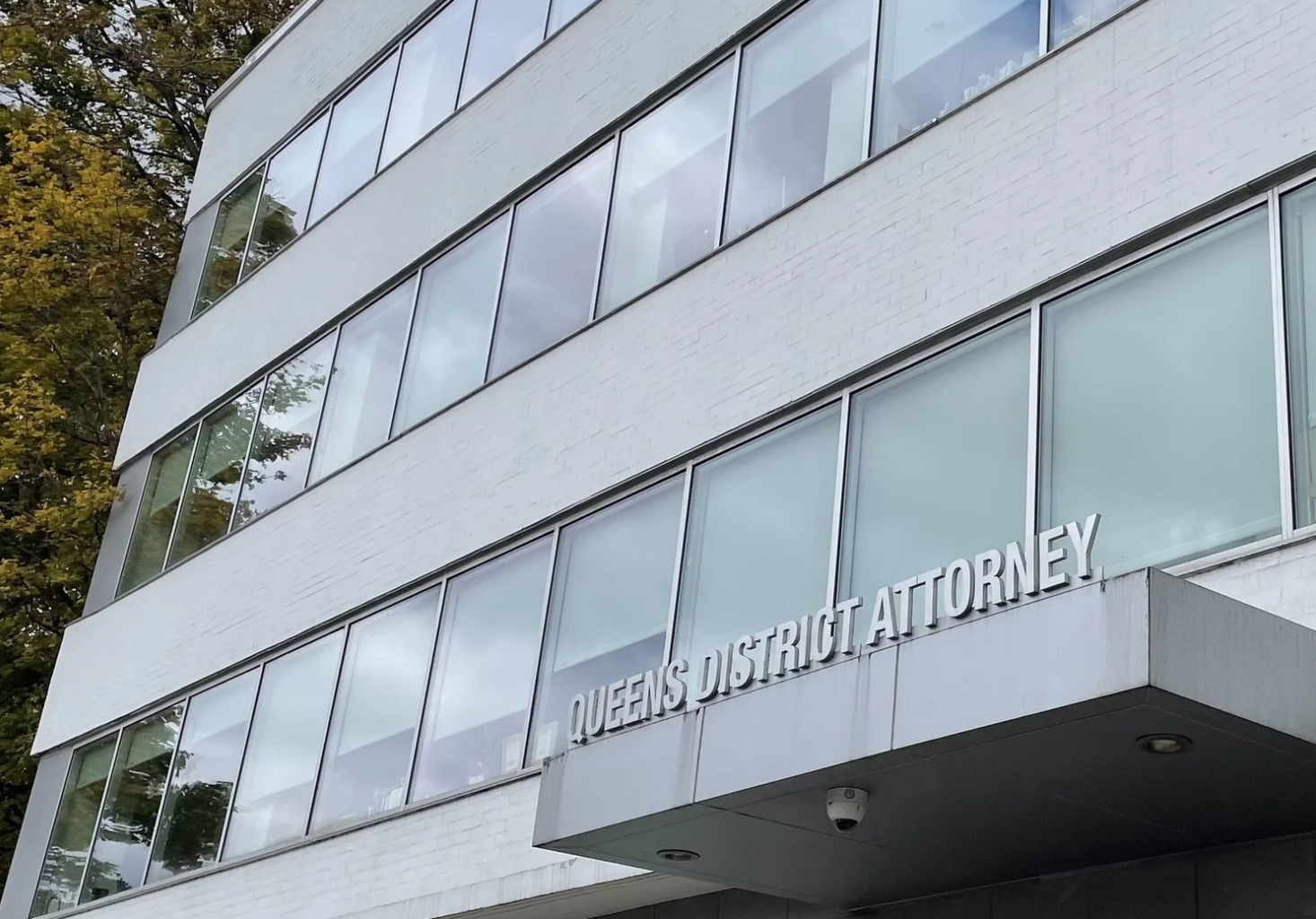
The professors first sued the state in 2021 after they published nearly two dozen complaints against current and former prosecutors in the Queens District Attorney’s office. Though the state and the Queens DA’s office argued the complaints – and any subsequent investigation, findings, or disciplinary action taken against the prosecutors – should be confidential, the law professors and Civil Rights Corps said otherwise. They sued the state, arguing that discipline imposed by the grievance committees was presumptively public.
A federal district judge agreed in a 2024 ruling, which was appealed by the state and upheld by the Second Circuit at the end of July.
“A presumptive First Amendment right of access attaches to both Second Department proceedings, including all documents and records reasonably implicated in understanding those proceedings, and the Committee’s dispositions,” the ruling read.
The court said that the state could not prohibit access to grievance committee proceedings and records “without making specific, on-the-record findings justifying confidentiality.”
Peter Santina, the managing attorney of the prosecutorial accountability project at Civil Rights Corps, called the ruling “very important.”
“Prosecutors are the most powerful law enforcement officials in the country and they typically have absolute immunity from lawsuits,” he said.
“This is a huge ruling for the public’s right to know what is happening in these times of growing authoritarianism,” he added. “It’s more important than ever that powerful government officials are held accountable, and that the public knows what agencies and government bodies are doing when they are supposed to be investigating allegations of misconduct.”
Neither the state attorney general’s office, which represented the state in the case, nor the Queens DA’s office responded to the Eagle’s request for comment.
While the ruling drew praise from the Civil Rights Corps, the New York State Bar Association, an amicus curiae in support of the state in the case, said that it was disappointed by the overturning of the longstanding confidentiality mandated by New York Judiciary Law Section 90(10) for ethics proceedings.
“The decision introduces practical challenges for the Grievance Committee by shifting the burden to justify confidentiality in matters that historically remained protected during the investigatory stage,” Taa Grays, the NYSBA’s president, said in a statement. “Though we do not have a formal role in attorney discipline, the association stands ready to make sure that confidentiality is safeguarded and public confidence in the administration of justice is maintained.”
Currently, complaints against attorneys are submitted to a grievance committee – there’s one for each of the state’s four Appellate Divisions. The committee begins by screening the complaint and, if necessary, elevating it to be investigated. The committee’s staff then determines whether there is probable cause of professional misconduct warranting public discipline. If authorized by the committee, the Appellate Division can begin formal disciplinary proceedings.