
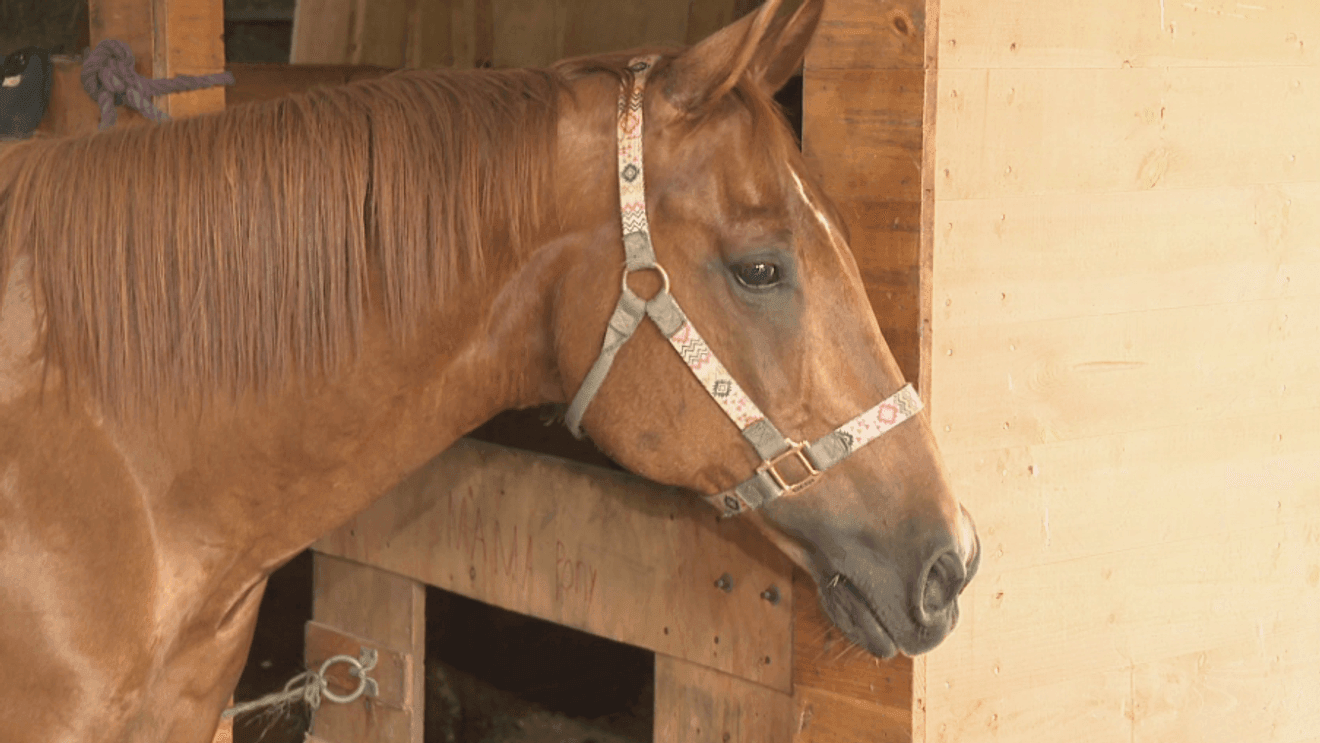
A longtime New York State Fair tradition is ending this year after barrel racing competitors pulled out over a new safety policy that limits vehicle access on the fairgrounds.
For decades, barrel racing has been part of the fair, with competitors bringing horses onto the grounds to unload, stable and prepare for events. Tammy VanEtten, director of NBHA NY-O7, said the group has attended the fair for more than two decades. “We’ve been going to the fair 20-plus years,” VanEtten said.
That run will stop this year, according to the New York State Barrel Horse Association, which said new traffic policies make it impractical to participate. Under the policy, private and vendor vehicles are prohibited from driving inside the fairgrounds between 8:30 a.m. and 11:30 p.m. each day.
VanEtten said the group learned about the change months ago. “We were told a couple months ago,” she said. “What they’re asking is unreasonable.”
Competitors said the restrictions would force them to unload horses overnight and then compete just hours later. Summer Caspari, the Oswego County representative for NBHA NY-O7, said, “You might not be unloading until two o’clock in the morning.” Caspari added, “then you’re maybe getting an hour or two sleep before you have to be up and feed your horse before you run.”
Fair officials said the policy is aimed at improving safety for people and animals. State Fair Director Julie LaFave said staff saw multiple concerning situations last year involving vehicles moving through large crowds. “We had a lot of scary situations,” LaFave said. “We saw things last year that were a lot of vulnerabilities, a lot of things that could have gone wrong very quickly. And we had to make some tough decisions.”
LaFave said the fair consulted with Homeland Security, state veterinarians, federal partners and other large events before announcing the changes six months ago. She also said the barrel horse association is the only agricultural group that has fully declined to participate because of the policy.
“We don’t feel it’s a responsible thing to run a reactive fair. We don’t want to wait until an incident happens,” LaFave said.
The fair said it adjusted arrival times and offered alternative stabling options, but the barrel horse association said those solutions still do not work for exhibitors or their animals.
For competitors, the loss goes beyond the event itself. Caspari said the group will miss interacting with fairgoers who may not see horses regularly. “They don’t get to see a horse every day,” she said. “It’s just really sad that we won’t be able to see those smiles anymore—not only from the kids, but from the parents as well.”
LaFave said the fair does not plan to change the policy before this year’s event, but officials will review how the new rules work after the fair and continue conversations with exhibitors about possible changes in the future.