
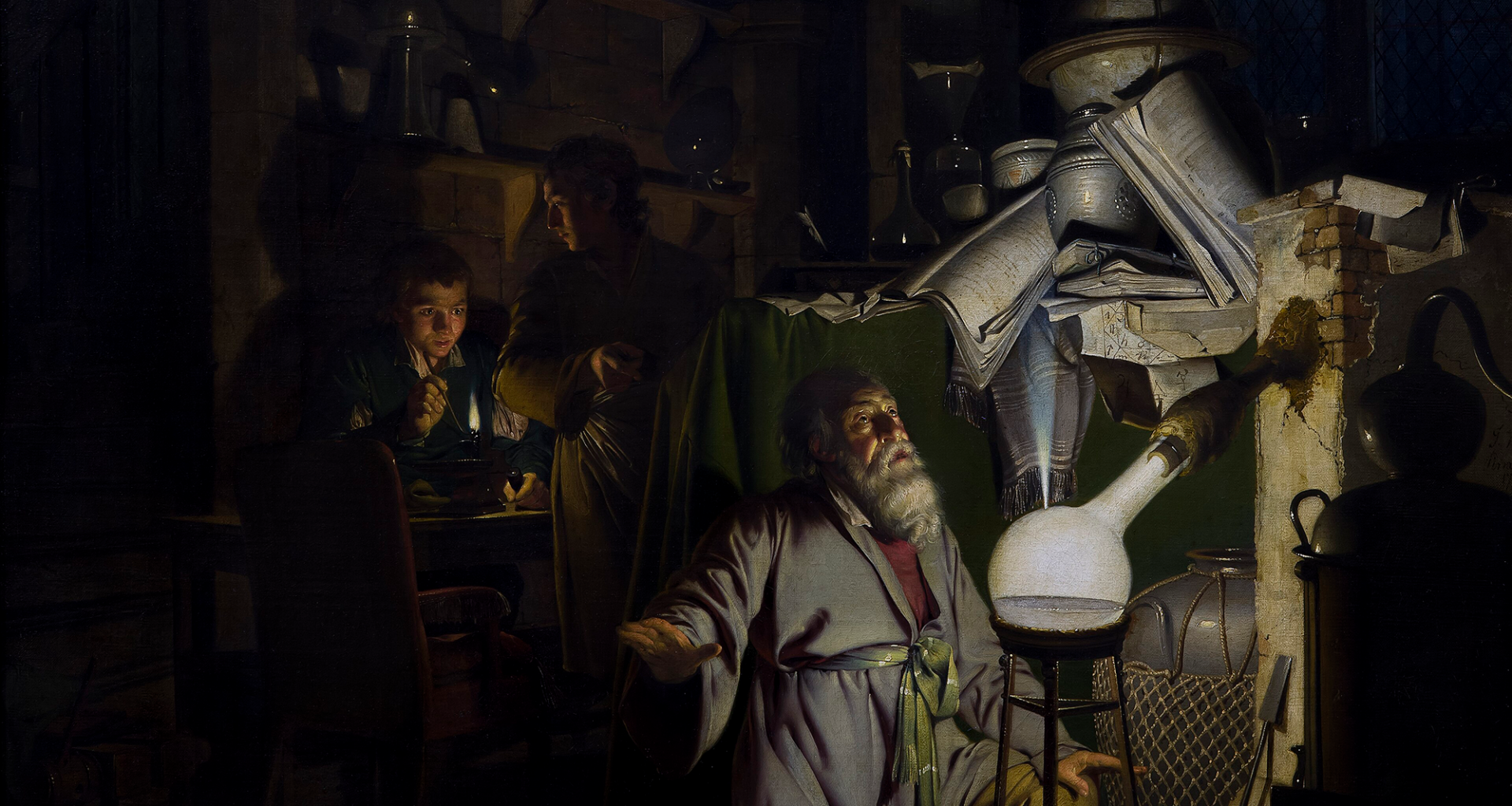
Long before chemistry was a formal science, humans were experimenting with substances to solve problems, cure illnesses and make money. In his book “The Age of Alchemy: How Early Innovators Shaped Modern Chemistry” (Profile Books, 2026), author Kit Chapman, a science journalist and honorary researcher at Falmouth University in the U.K., traces how this ancient, protoscientific tradition shaped the world.
From our ancestors’ early use of fire to some accidental — and disastrous — pyrotechnics in the 14th-century French court of Charles VI, Chapman reveals how early innovations across the world paved the way for modern science.

Kit Chapman
Science journalist
Kit Chapman is an award-winning science journalist and adventurer who has travelled to more than 100 countries in his quest to explore ancient innovations and discoveries. His first book, “Superheavy”, was a finalist for the AAAS SB&F prize, his second, “Racing Green”, was named the RAC Motorsport Book of the Year 2023, and his latest, “The Age of Alchemy”, has been shortlisted for the Royal Society Trivedi Science Book Prize. Kit holds a masters degree in pharmacy from the University of Bradford, and a PhD in the history of science from the University of Sunderland. A former editor at Chemistry World, Kit is currently an honorary researcher at Falmouth University, UK.
You may like
What to read next

Nobel Prize winner Tu Youyou
(Image credit: STR / Stringer via Getty Images)
If you look at the traditional story of science, we talk about Europe. Occasionally, we might bring in China. But India, Africa, Mesoamerica, South America, North America — every single continent was having scientific discoveries and developments.

A painting of Paracelsus.
(Image credit: GL Archive via Alamy)
This interview has been condensed and edited lightly for clarity.
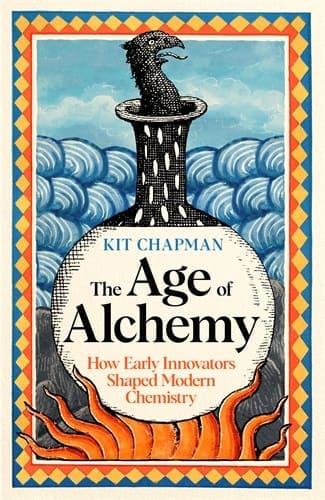
profilebooks
The Age of Alchemy (Hardback)
“Age of Alchemy” is a fascinating and funny dive into chemistry long before chemistry existed. It captures the ingenuity of humans across cultures and time, revealing how ultimately the work of these early innovators would eventually meld into modern science.
TOPICS