
Getty Images / CribbVisuals
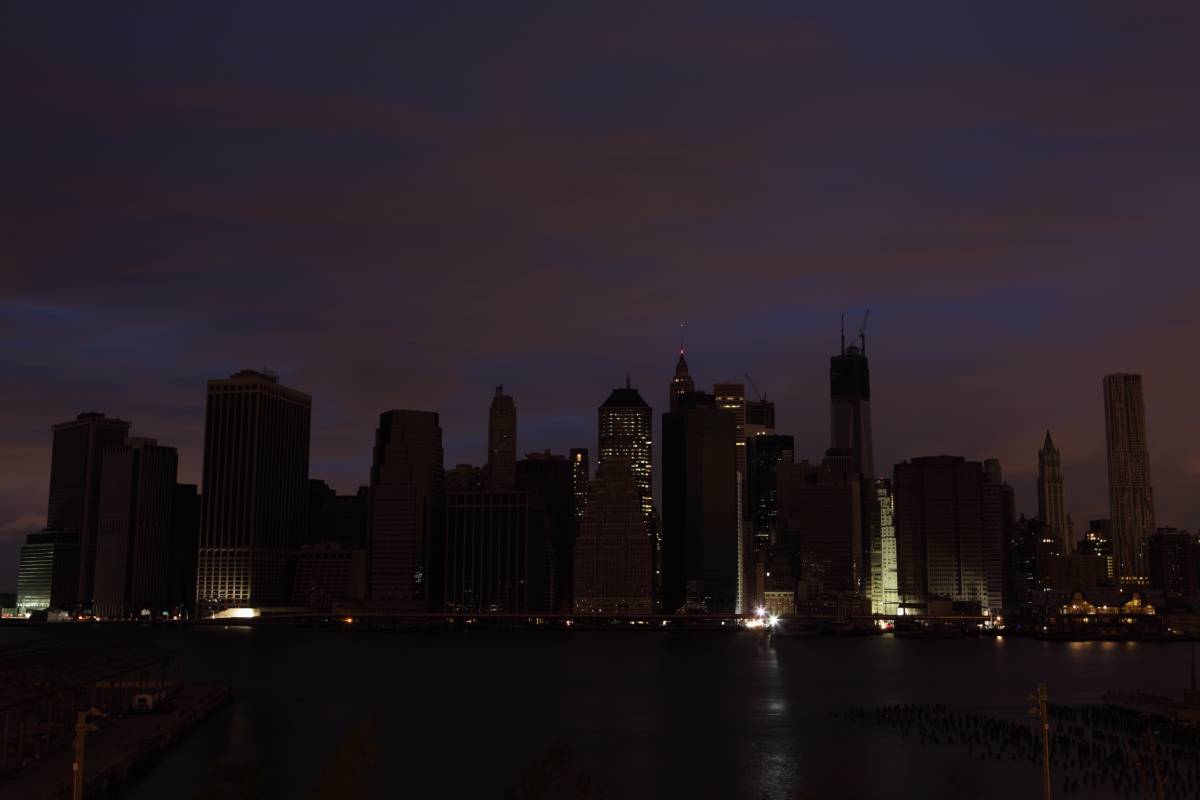
If you’ve ever looked up at the night sky in NYC and wondered where all the stars went (hint: they’re hiding behind a thick layer of “sky glow”), a proposed New York law could eventually make things a little darker after sunset.
A proposed piece of legislation, dubbed the New York State Dark Skies Protection Act, is making its rounds through Albany, with lawmakers proposing new rules for outdoor lighting designed to reduce light pollution, conserve energy, and protect wildlife.
In other words, it would mean big changes for how the city–and the rest of New York State–looks after the sun goes down.
But there’s been some movement since we the proposal was first introduced in March: a new Senate version was introduced, the bill was amended in May, and its Assembly counterpart has advanced to another committee.
So, what exactly would the law do—and is New York really about to start turning off the lights at 11 pm? Here’s what you need to know.
What is the “Dark Skies” law?
The goal of the New York State Dark Skies Protection Act is simple: cut down on unnecessary artificial light at night across New York State.
The legislation would establish statewide standards for outdoor lighting, including requirements for fixtures to direct light downward rather than allowing it to spill into the sky or surrounding areas.
The idea isn’t to plunge New York into total darkness. Instead, the bill’s sponsors say the changes would help reduce light pollution, conserve energy, protect wildlife, and preserve the natural night sky.
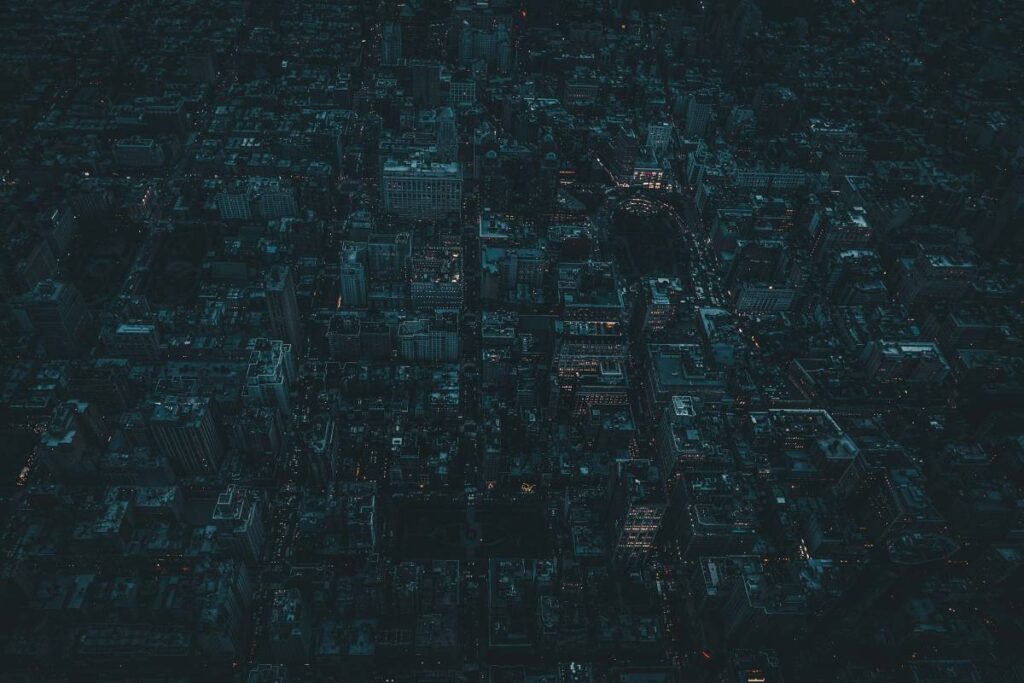
Artificial light at night can interfere with wildlife–especially our migratory bird friends, who can become disoriented by the bright lights of the Big Apple. It’s the same reason that, even though the George Washington Bridge’s twin towers are now permanently illuminated each night, those lights will be switched off entirely during peak migratory bird seasons.
 Unsplash / Andre Benz
The main details
If passed, the current Senate version of the bill, S9637A, would establish several new rules for outdoor lighting across New York:
Shielded Outdoor Lighting: Beginning January 1, 2028, outdoor lighting fixtures at residential, commercial, industrial, and municipal properties would need to be “shielded” so that light is directed downward rather than spilling into the sky
Lights out off after 11 pm: Outdoor fixtures that don’t meet the shielding requirements would generally have to be turned off between 11 pm and sunrise
Motion-activated lights would get an exception: Certain noncompliant fixtures could continue operating if they’re motion-activated, remain on for less than 15 minutes, and have an automatic shutoff
Recreational facilities would face their own nighttime restrictions: Outdoor recreational facilities, including places such as arenas, parks, and amphitheaters, would generally have to turn off their lights between 11 pm and 5 am unless an event is already in progress
NYC won’t go completely dark
New York City has a few very obvious reasons it can’t simply flip a giant statewide light switch at 11 pm. The bill includes exemptions for lighting:
Emergency services: Police, fire, medical, and other emergency lighting would remain fully operational
Highways, airports, and roadways: Lighting needed for airports, aircraft safety, highways, tunnels and roadway underpasses would not be affected
Worker safety: Lighting necessary to keep workers safe would be exempt
Street and municipal lighting: Certain streetlights and lighting used for municipal projects would also be excluded
Lower-powered lights: Certain lower-powered fixtures, including some seasonal and decorative lighting, would be exempt
Historic and cultural landmarks: Property owners could apply for exemptions for lighting deemed culturally or historically significant
Times Square: The bill specifically exempts lighting fixtures within the area defined by Section 81-70 of NYC’s Zoning Resolution, which includes Times Square and the Special Midtown District—so the Crossroads of the World isn’t about to lose its famous glow
Why is this happening?
The legislation points to several concerns associated with excessive artificial light, including wildlife disruption, wasted energy, and the loss of the natural night sky.
Migratory birds are particularly vulnerable to artificial light, which can interfere with their navigation and contribute to deadly collisions with illuminated buildings.
For humans, meanwhile, excessive nighttime light can contribute to light trespass and interfere with the natural darkness our bodies expect after sunset.
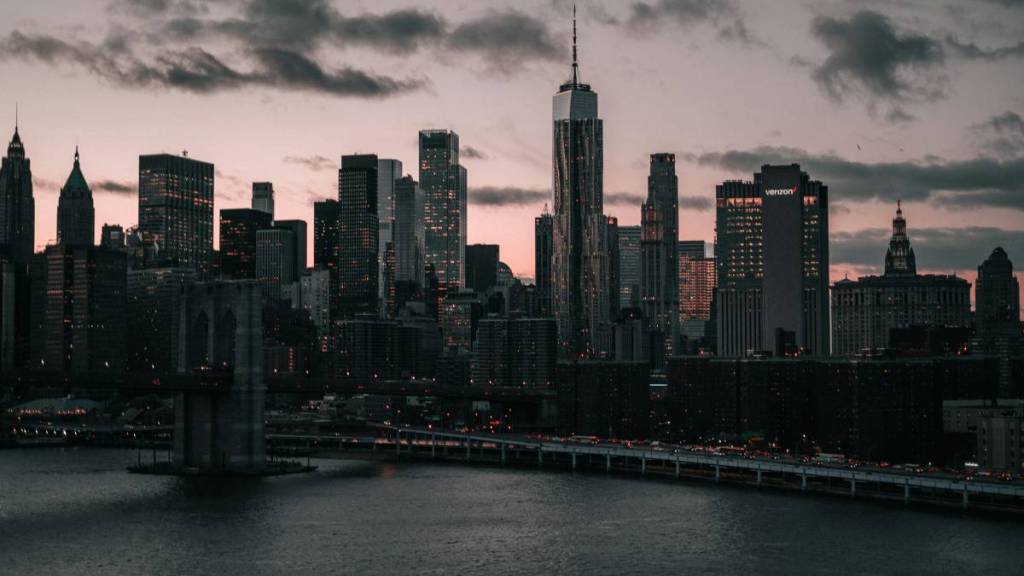
And if you’ve ever tried to spot stars from Manhattan, you already know just how much artificial light can wash out the night sky.
 Unsplash / Raphael Lopes
So, is New York actually going dark at 11 pm?
Not yet.
The Dark Skies Protection Act is still a proposal, and the current Senate and Assembly versions remain in committee. It has not passed both chambers, been signed into law, or gone into effect.
If the amended Senate version ultimately becomes law, its provisions would take effect on January 1, 2028.
So for now, New Yorkers don’t need to start scrambling to install timers on their porch lights.
But if lawmakers eventually get this bill across the finish line, some of New York’s nighttime lighting could look very different—and, ideally, we’ll finally be able to see a few more stars up there.