
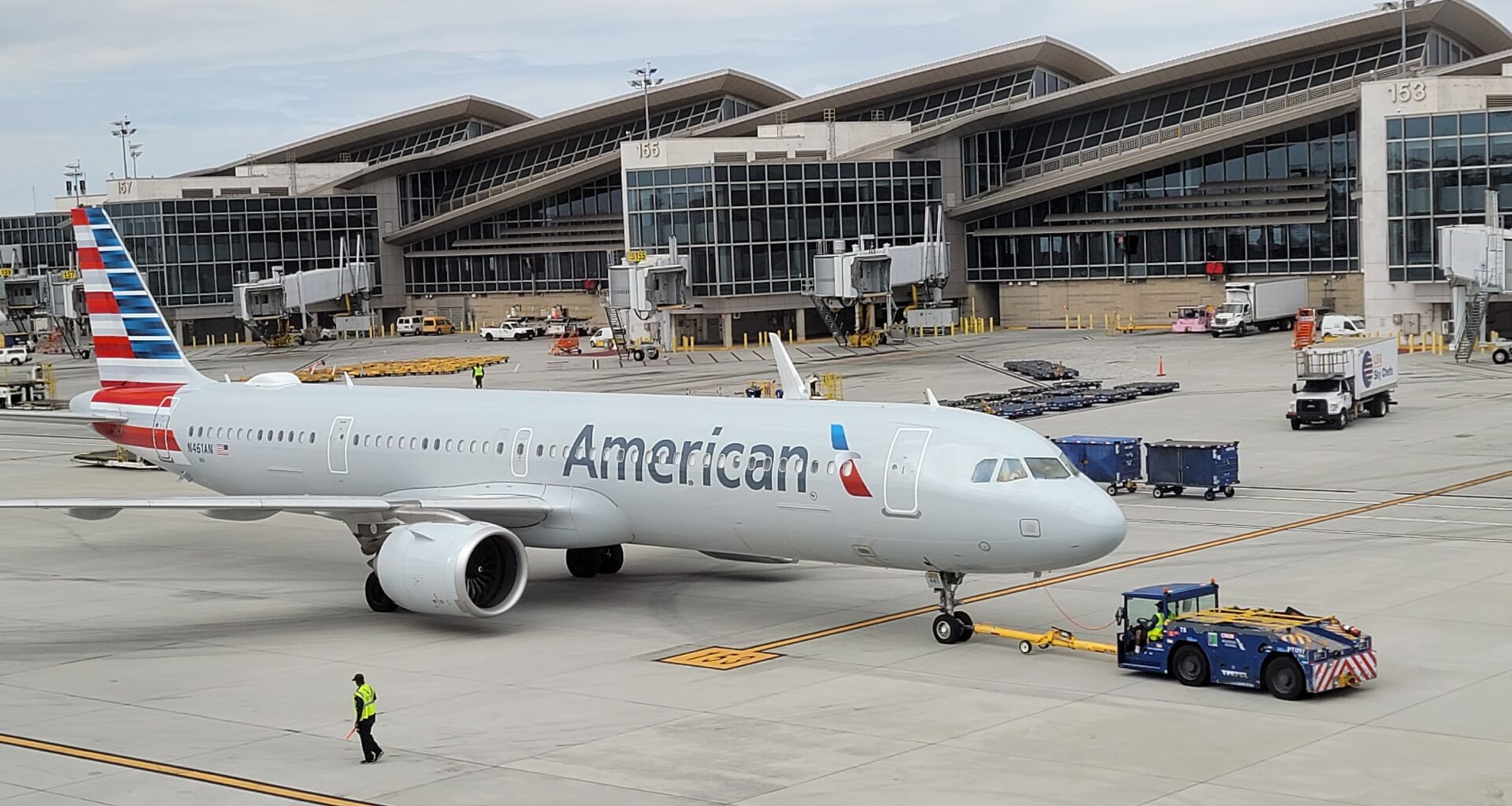
American Airlines made two major errors after US Airways management took over 13 years ago. Everything else they did wrong was downstream of these basic misunderstandings.
They thought they were competing against Spirit Airlines and Frontier. American was never going to beat Spirit and Frontier on costs. With American’s high costs they have to earn a revenue premium to generate profit, but the focus has been on cramming more seats onto planes by removing the very business class seats and extra legroom seats that Delta and United say e generate most of their money.
American Airlines was focused on cutting costs and customer experience precisely when the customer was shifting to buy air travel on more than just schedule and price, and becoming willing to pay more for a better product. So they got the moment in airline industry exactly backwards.
The very first message Robert Isom gave to employees upon becoming CEO in 2022 was to “never spend a dollar” they do not have to. And as airline President he explained his vision in 2018 as being as much like Spirit and Frontier as possible.
[T]oday there is a real drive within the industry and with the traveling public to want to have really at the end of the day low cost seats. And we’ve got to be cognizant of what’s out there in the marketplace and what people want to pay.
The fastest growing airlines in the United States Spirit and Frontier. Most profitable airlines in the United States Spirit. We have to be cognizant of the marketplace and that real estate that’s how we make our money.
We don’t want to make decisions that ultimately put us at a disadvantage, we’d never do that.
They failed to understand how the key driver of profit in their industry worked. Credit card revenue isn’t just huge, it’s high margin. American previously reported a 53% margin for AAdvantage. That depends on a lot of internal accounting assumptions (Delta reported 39% but SkyMiles isn’t actually less profitable than AAdvantage), but order of magnitude card generates billions of dollars in profit for the major airlines – in American’s case at a time when the rest of the airline loses an equivalent amount.
But they did not understand that having a relevant schedule to potential cardmembers in the biggest spending market matters, or that having a desirable product for those cardmembers to aspire to, drove cardmember acquisition and use. They simply did the accounting wrong on the profitability of their flights, failing to attribute cobrand card revenue to the flights cardmembers actually flew.
These two failures explain lack of premium seats, an unclear vision offered to employees, and all of the network mistakes made at the airline. And they explain why American Airlines went from number one in cobrand credit card charge volume a decade ago to number three in their own telling.
American Shrunk New York, And Slots Make The Credit Card Damage Hard To Reverse
I came across an interesting Twitter thread that purported to explain different strategies at New York JFK, and how American Airlines has declined there. That sent me down a few rabbit holes.
American tried three more ways to rebuild JFK:
– 2010: two-class regional jets and JetBlue interline
– 2015: more mainline and Republic after the US Airways merger
– 2021: JetBlue connectivity and Republic under the NEA
Each restored flights. None became a durable feeder hub.
— Adam Nathan (@adampnathan) August 10, 2026
The biggest mistake American Airlines made in New York was treating its schedule as though the only question that mattered was whether each flight could justify itself – whether ticket revenue exceeded operating cost. The airline killed off unprofitable flights. But they also made themselves less relevant to the New York market in the process, and less relevant to New York credit card spend – sacrificing lucrative card revenue in the process.
When US Airways management came in they sought to focus on bringing passengers to New York rather than on being an airline for New Yorkers, because they didn’t think they were making money in the New York market. They completely misunderstood the business they were in.
Then when that failed they built a narrow, “boutique like” operation in their parlance around London and premium transcon flying. Finally, when they realized what they’d done, they no longer had enough of their own network to matter to New Yorkers, they partnered with JetBlue on the Northeast Alliance. They got buy-in from the first Trump administration, but the Biden Department of Justice beat it on antitrust grounds.
A schedule that matters to customers drives which frequent flyer program they join, which airline card they acquire and where they put their spending. And American didn’t just make this mistake in New York. They repeated it when they retrenched in Chicago and Los Angeles. In New York their best play was the JetBlue partnership, because slot controls mean they can’t just add service. But they can still play aggressively there, rebuild Los Angeles and grow in the Bay Area which is the market that matters most in which they are weakest today.
American Used To Fly 146 Times A Day From JFK
The twitter thread that prompted this post claimed that American had 146 daily departures from New York JFK in July 2000. That’s about 40 more than their current slot portfolio. There’s a change at the airport that was missed.
In 2000, slots only applied during the five peak transatlantic hours from 3 p.m. through 7:59 p.m. American operated heavily outside those hours.
The old rule ended in 2007. Then the FAA reimposed slots in 2008 from 6 a.m. to 10:59 p.m., largely based on 2007 operations and approved 2008 schedules.
Today, American holds 215 individual takeoffs and landings at JFK. JetBlue holds 337 individual authorizations and Delta 427. Here are the details.
American had declined in 2007-2008, and that had lasting effects. Previous management’s commitment to limp along outside of bankruptcy as a moral imperative, while other carriers were shedding costs, hurt their ability to compete and turns out to have lasting impacts even today.
American Is Stronger At LaGuardia Than JFK
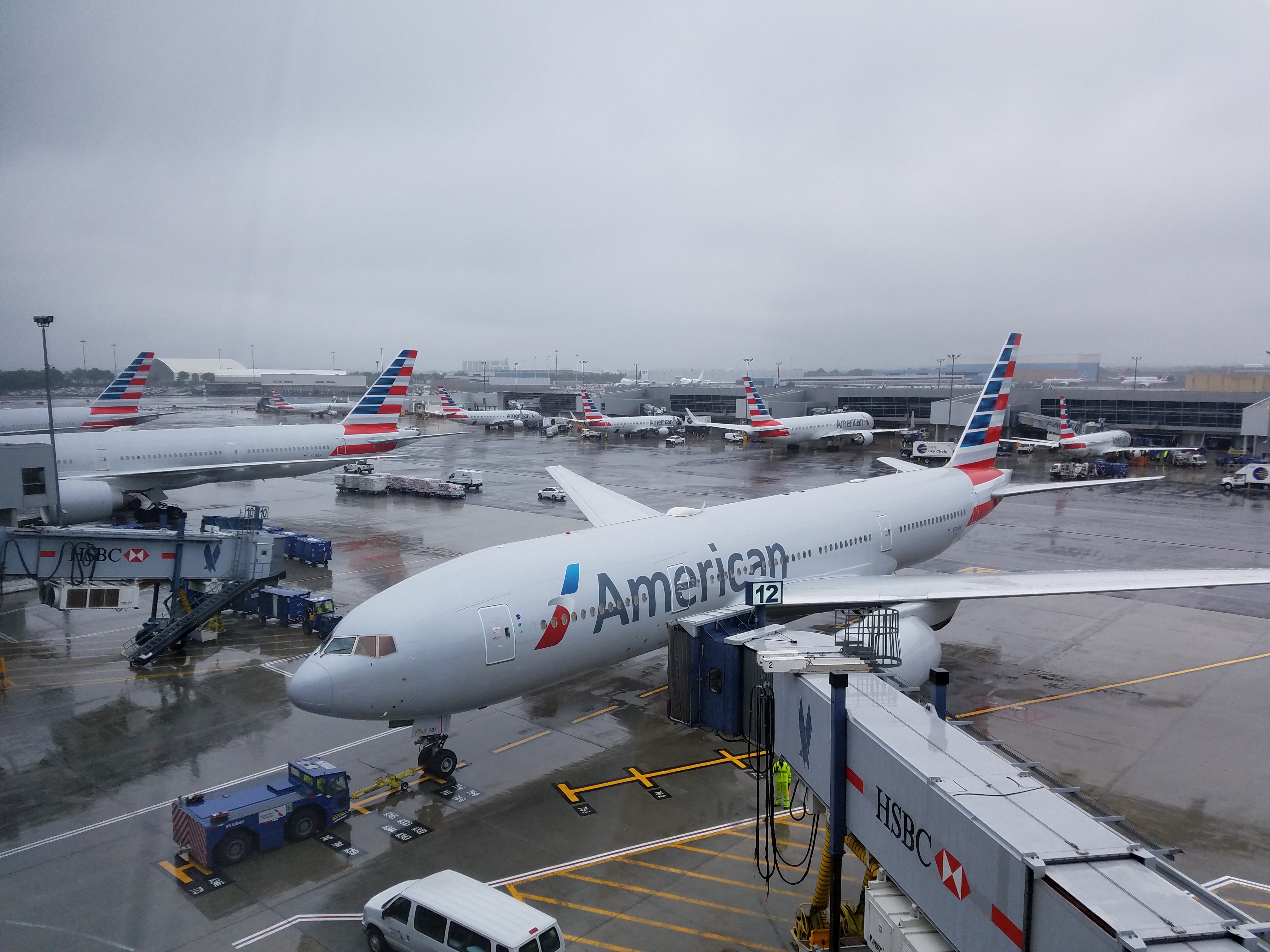
At LaGuardia, American is a strong number two. It holds 327 individual takeoff and landing slots, or 28.7% of the listed portfolio, behind Delta’s 511 and far ahead of United’s 94, Southwest’s 57 and JetBlue’s 31. (Details.) American is relevant at LaGuardia but they can’t add enough scale to undo retrenchment at JFK.

How American Fell Behind In New York
Delta’s position at New York LaGuardia was built through one of the shrewdest airline asset trades of the last generation. In 2011, US Airways transferred 132 daily LaGuardia slot pairs to Delta in exchange for 42 pairs at Washington National and cash. The government required 16 LaGuardia pairs to be divested, leaving Delta with a net gain of 116 pairs. (Delta ultimately recaptured the WestJet remedy slots, while DOT was apparently asleep at the switch.)
In the end, when American and US Airways merged, they didn’t even get to grow further at National airport – they had to give up slots there to cap at the size US Airways had already grown to. So the deal didn’t even enhance their position at National airport in the long run, and the most valuable part of US Airways’ old LaGuardia position had already become Delta’s New York hub. And the combined American – US Airwys had to divest another 17 LaGuardia pairs (11 to Southwest and six to Virgin America).
What’s more, American Airlines lost track of some of its New York JFK slots and failed to use them. In 2019 the FAA identified the issue and American had to relinquish seven individual slots that had come over from US Airways.
While I’m going through the strange history of slots at New York JFK, something interesting happened as part of the American Airlines-JetBlue Norhteast Alliance. The first Trump administration’s Transportation Department agreed to close its review of the deal after American and JetBlue committed to offer up seven JFK slot pairs, four from American and three from JetBlue. They also agreed to offer six Washington National pairs through renewable leases. They promised more seats with fewer slots through larger aircraft, and if they failed to meet the targets they’d have to give up 10 more JFK slot pairs as well.
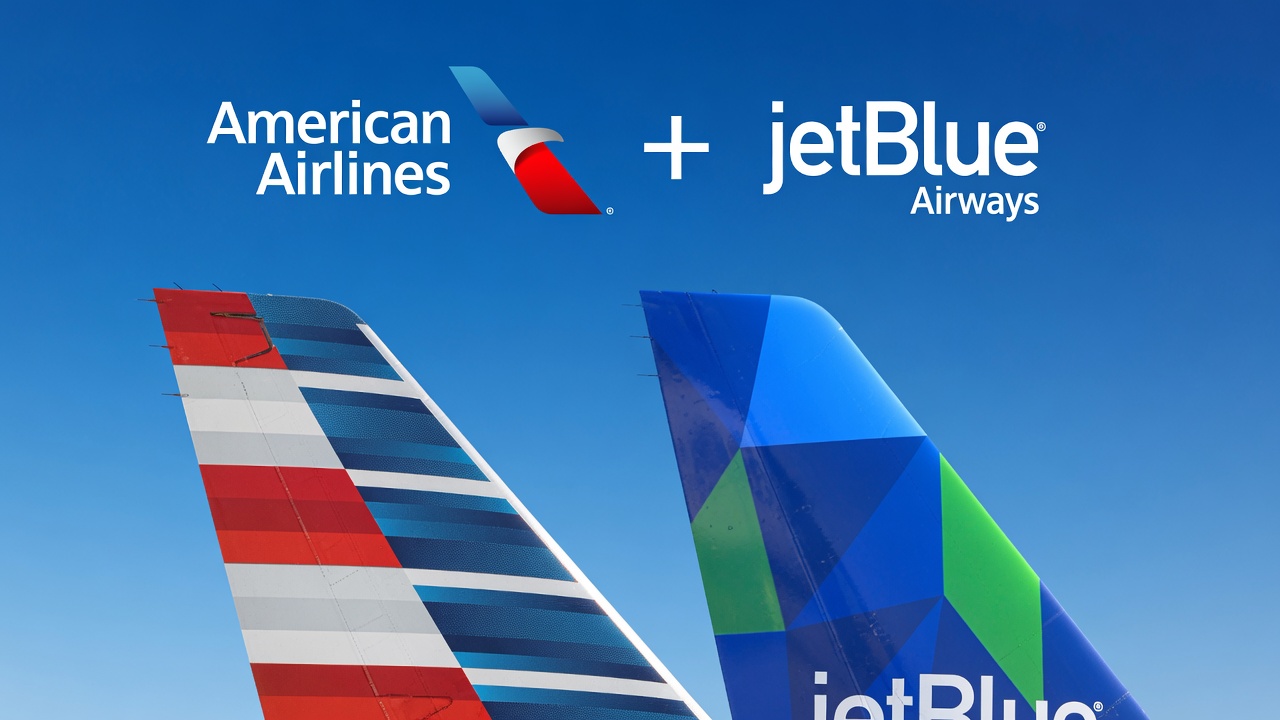
However, the divestitures never seemed to have happened. Spirit and Southwest said the package offered wasn’t attracted. And since the divestiture agreement lasted only while the Northeast Alliance remained in effect, the seven JFK slots never got moved. The slot swaps between American and JetBlue got unwound. And the divestitures at National airport were leases that terminated after the end of the alliance.
American Cycled Through New York Strategies And Lost Track Of The Customer
After the US Airways merger, American built schedules around bringing people to New York rather than serving New Yorkers. Flights were timed to deliver customers from spoke cities into New York and take them home, even when those schedules were unattractive to a New York-based traveler.
Since they were smaller than United and Delta in New York they felt like they couldn’t ‘win’ New York
And US Airways management had long employed a strategy of avoiding direct competition
So they ditched the New York customer market even as they continued New York flying
But that meant ditching New Yorkers’ wallets, too.
By 2018 the strategy had changed. Robert Isom described the goal as a “boutique-like” product built around London and premium transcon flying to Los Angeles and San Francisco. But the best schedule to London doesn’t win customer loyalty from passengers who need to go to Chicago, Boston, Washington, the Caribbean, Europe and dozens of other markets. By failing to win customer loyalty, they weren’t just losing spend – they were delivering a product New Yorkers would choose only when the schedule and price happened to be better.
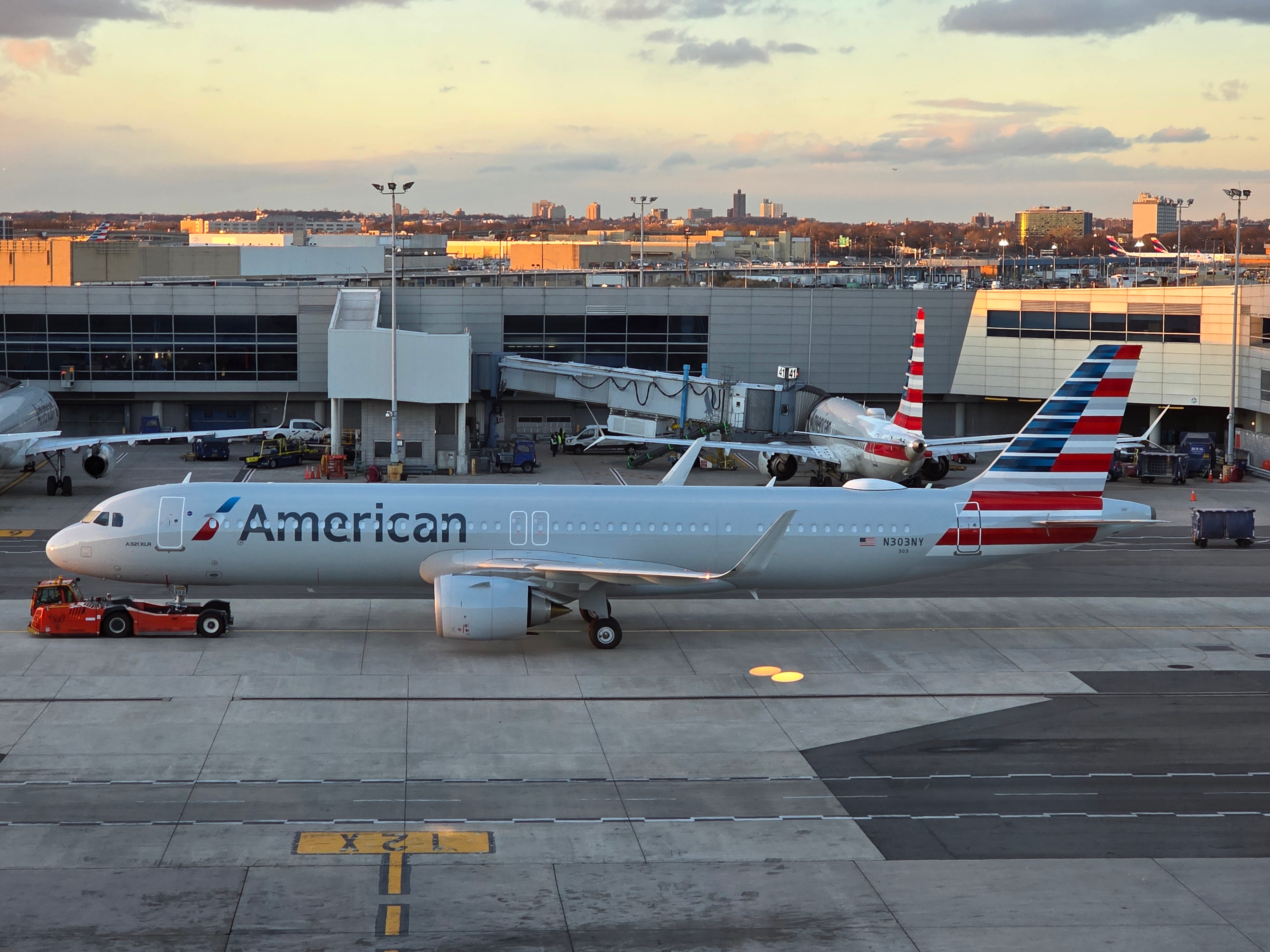
The Northeast Alliance was American’s best answer. JetBlue had New York customers and slots. American had a global network, the London joint business, a good terminal and a better loyalty program. Together they could offer something much closer to a complete network, be a real competitor to Delta and United, and become relevant to New Yorkers.
This got buy-in from the Trump administration, but when power changed it was opposed by the Biden Department of Justice, who won an antitrust victory. Ironically, what the court said was anticompetitive would have been perfectly fine had the two airlines merged.
The Northeast Alliance case was brought under Section 1 of the Sherman Act. The court found they had stopped competing in the Northeast, jointly allocated routes and capacity, shared revenue and reduced output in specific markets (not overall!).
These actions aren’t per se illegal under a full merger. Under Copperweld Corp. v. Independence Tube Corp., 467 U.S. 752 (1984), the Supreme Court held that a parent corporation and its subsidiary can’t conspiring with each other under Section 1 of the Sherman Antitrust Act.
The issues that prevented American and JetBlue from ‘carving up’ their flying between the two carriers simply don’t exist in a merger. (This case, by the way, is part of why we have antitrust-immunized airline joint ventures today.)
A merger would be dealt with entirely differently, under Section 7 of the Clayton Act. The coordination piece wouldn’t be the problem because it would occur inside one company. It would just be a matter of the overall effect on competition.
The last Trump administration liked it, and probably would like it again. (Though some state attorneys general would seek to extract concessions.)
The problem with merging with JetBlue, outside of a prepackaged bankruptcy, is $9 billion in debt.
But in 2025, American and JetBlue together carried 24.51% of passengers across JFK, LaGuardia and Newark, roughly the same share as Delta and United. Together they’d restore relevance overnight.

The Accounting Error That Cost American Credit Card Spend
Airlines need routes to be profitable, but the accounting to figure out which ones are and which ones aren’t involves a lot more art than accounting science because it involves assumptions and assigning of revenue and costs to specific flights.
When a member redeems miles to Hawaii, accounting can allocate value to the flight carrying the award passenger (where the miles get spent) but that doesn’t identify what caused the customer to get the card, keep it and put $50,000 a year of spending on it. The causal driver may be the schedule from New York, Los Angeles, Chicago or San Francisco that made American relevant to that customer in the first place.
Internal redemption accounting and customer acquisition accounting are different. The right unit is not just the route, it’s the customer’s contribution to revenue that matters from tickets, ancillaries, AAdvantage engagement, card acquisition, and spend. And that needs to be measured against the cost of maintaining the network that attracts that revenue.
Just spreading card revenue across flights in the system makes no sense
It’s much better to tie card revenue to the flights actually taken by cardmembers
And even just the flights redeeemed by cardmembers
Whenever you’re doing accounting you need to know what question you’re trying to ask. It’s not just about applying accounting rules. It’s about marshalling the data to give you the best understanding of the consequences of different decisions.

Ironically, Scott Kirby who left American and became President of United in 2016, seemed to understand this well. In United’s October 2017 earnings call and January 2018 investor presentation, Kirby explained that rebuilding hubs and increasing connectivity weren’t just about filling more seats. They made United relevant to more customers, improved loyalty and credit card acquisition. A schedule that doesn’t work for the customer takes the cobrand card off the table. United’s post-Smisek rebuild of its domestic network was as much a credit card play as an airline one.
It’s why I’ve argued for years that network scale, credit card acquisition and card spend have to be considered together. American reported $6.2 billion in 2025 cash payments from cobrand and other partners, and at their last reported 53% margin this would be $3.3 billion profit for an airline that’s only breaking even.
What American Should Do In New York
American’s New York strategy seems to be to treat LaGuardia for local customers offering non-stop flights and connections over its hubs, JFK for premium transcons, London, international joint businesses, oneworld partners at Terminal 8 and a handful of long haul routes beyond this, and Newark connecting to the airline’s hubs.
This needs to be optimized around New York residents. American has enough LaGuardia slots to offer enough frequency in the domestic markets that premium customers in New York want to buy. They probably need more mainline and less regional, and better-timed flights that take New Yorkers to Florida in the early evening and back in the afternoon.
JFK especially should have fewer regional jets. Given their slot constraints this shouldn’t be a significant connecting hub. JFK should be premium and international-focused, offering flights to New Yorkers that can’t be served from LaGuardia.
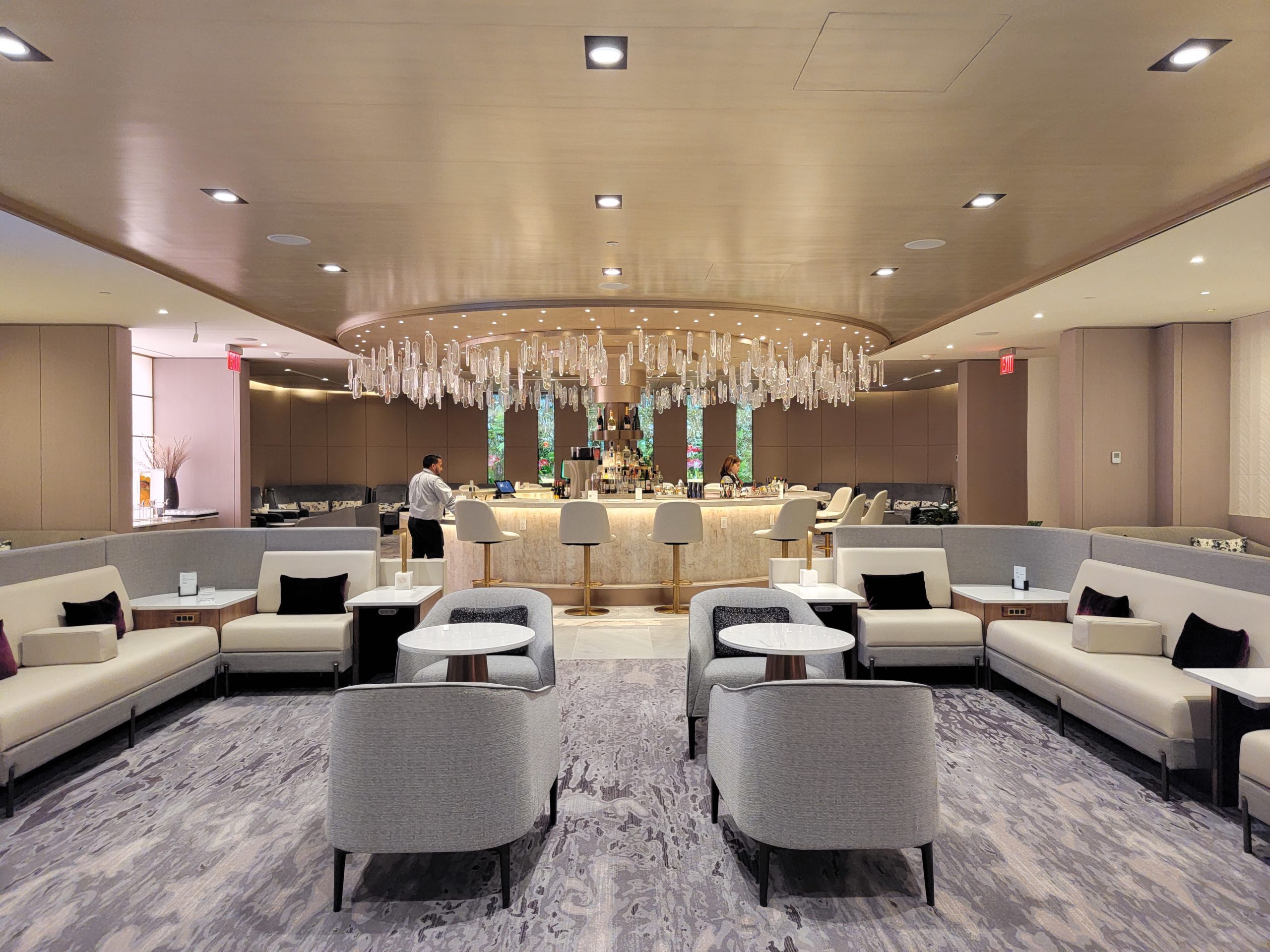
Terminal 8 has more and better lounges than it did five years ago, and they’re continuing to add as well as refreshing concessions. It’s a large enough space that it houses much of oneworld at the airport, since American no longer flies as much there as they used to.
They should be buying and leasing more slots whenever the opportunity appears, and they should be actively scouring and sourcing these opportunities not just waiting for them to pop up. There aren’t any transformative blocks outside of JetBlue but even a couple of slot pairs are useful.
The truth is there’s only so much that American can do at this point in New York. But other spend markets matter, too.

Rebuilding Chicago Is Important
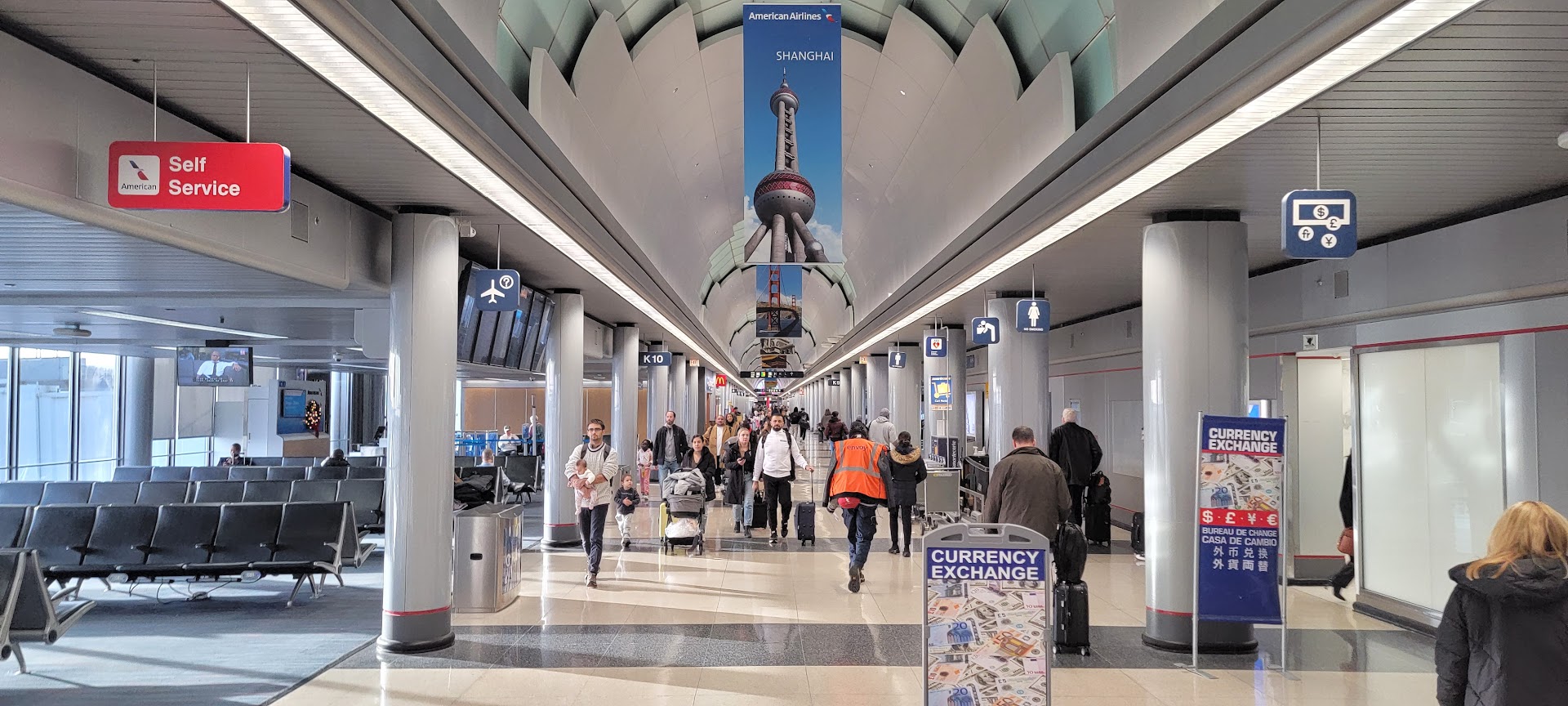
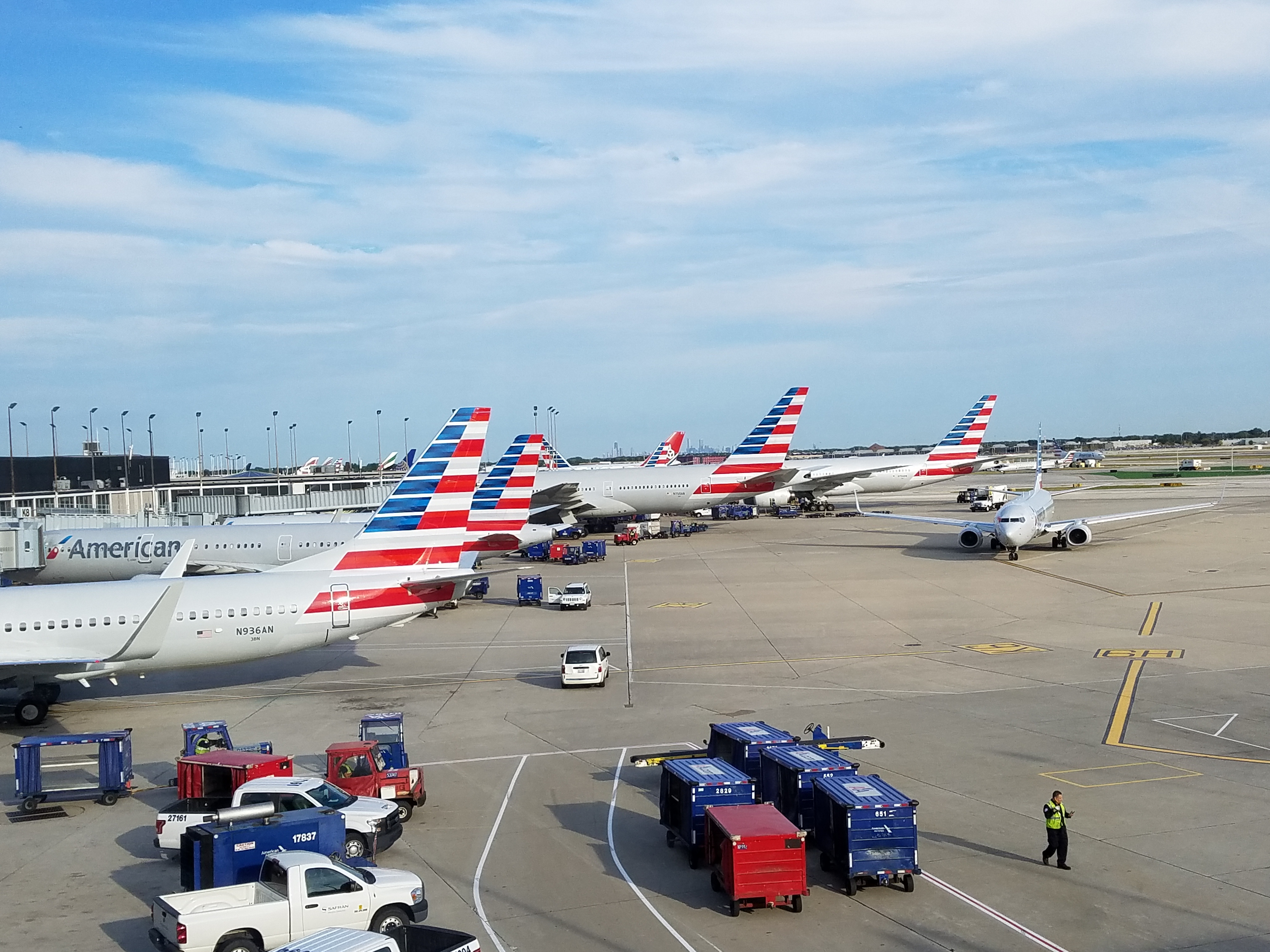
American has finally been rebuilding Chicago aggressively. They were slow to do this coming out of the pandemic. They’d retired too many aircraft, and they couldn’t rebuild Chicago if they were focused on Dallas and Charlotte.
United saw an opportunity to kill them.
United tried to convince financial analysts that American growing in Chicago was foolishly burning cash, hoping Wall Street would contain them.
They got the City of Chicago to reallocate gates a year early, giving them more.
Then they sought to make their growing advantage permanent by scheduling over 700 flights, because Chicago allocates gates annually based on prior year flying. Many of those flights United didn’t actually want to operate.
The FAA decided the airport couldn’t handle it, and largely froze operations based on prior year levels. That protected American, while they belated added their own flying. They bought two gates from Spirit Airlines. They’re building a new Admirals Club.
Now with about 500 peak-day departures to more than 75 destinations, they’re about 25% over spring 2025. AAdvantage enrollment in Chicago increased 20% as it added service according to the carrier. They can’t match United in Chicago which has far more gates (91 to 66 next year), but the market is large enough that they can be relevant. Giving up in Chicago would have meant a further decline in card spend, losing share in their most profitable endeavor. Management finally understands this!
American should upgauge where it doesn’t trade off with frequency, though they need aircraft for this. And they should focus heavily on local customers.
Their Best Strategic Opportunity May Be Rebuilding Los Angeles
American was the largest airline at LAX. They had the best and most corporate contracts. This was the airline that Hollywood studios flew. They’ve now slid to third place. In the first half of 2026, Delta carried 19.79% of LAX passengers, United 17.56% and American 15.99%.
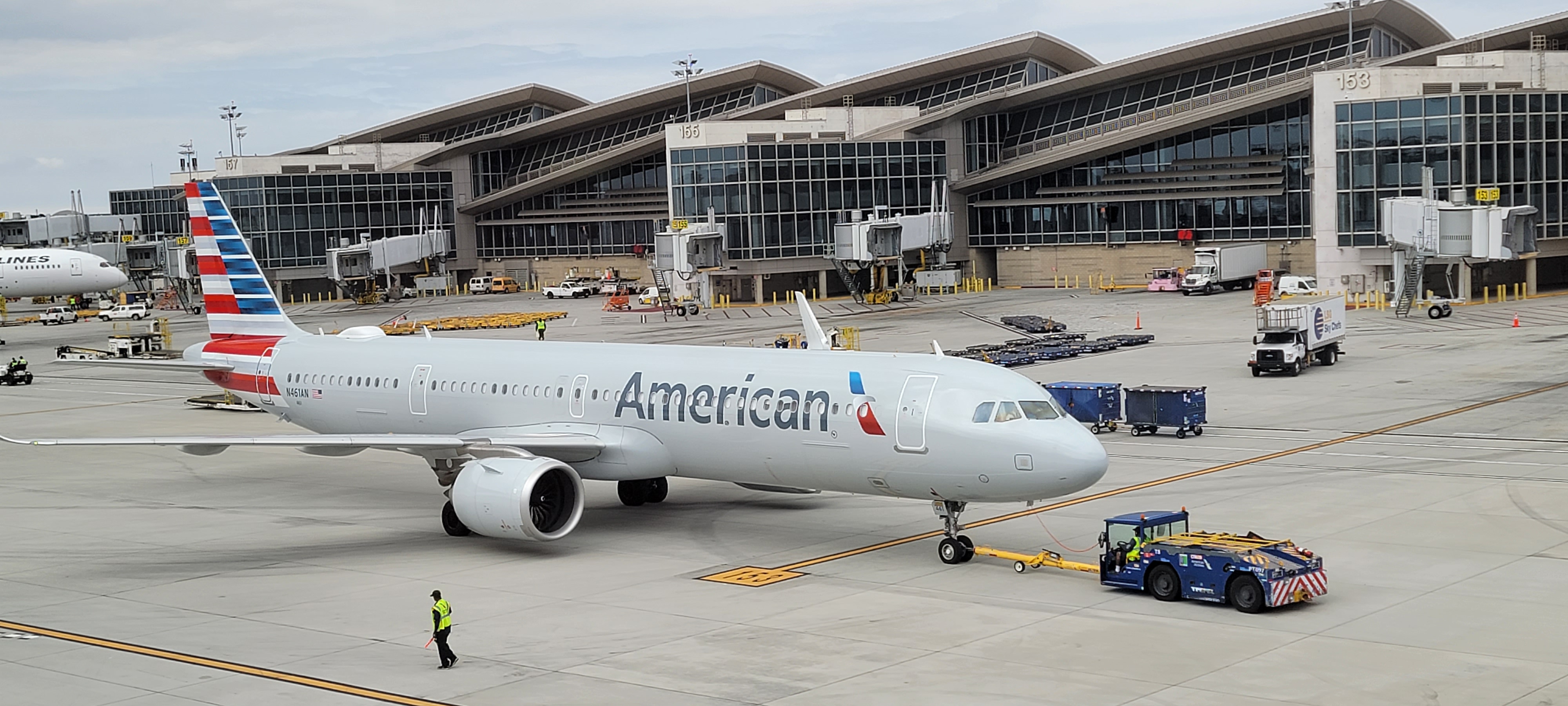
Like in New York, the airline ran away from competition and sought to drop routes that they saw as narrowly unprofitable, without regard to the effect that would have on their position with customers in the market and their ability to capture cobrand card spend in one of the most important spending cities in the country. They became mostly a domestic carrier at the airport focusing their long haul flying on the hubs of their joint venture partners British Airways, Japan Airlines and Qantas.
American is third today, but not far behind. Unlike New York, no competitor controls nearly half the airport’s slots. LAX isn’t slot-controlled. It’s gate-constrained. And they’re soon going to be the gate leader. It currently has 20 preferential contact gates across Terminals 4 and 5 and is slated to have 25.
They need to use that opportunity to build a Los Angeles network for Los Angeles, with competitive frequencies, to all the top markets plus the major Hawaiian islands and places like Cleveland; Indianapolis; Pittsburgh; Raleigh; Mexico City; Nashville; St. Louis; San Antonio; Cabo; Cancun;Albuquerque; Boise; El Paso; Sacramento; Santa Fe; and Tucson.
Their own international flying needs to get built back up – harder from the West Coast where the A321XLR doesn’t cross either major ocean – but they’re well-positioned with joint venture partners British Airways, Japan Airlines and Qantas here. They’d benefit from adding Starlux to oneworld.
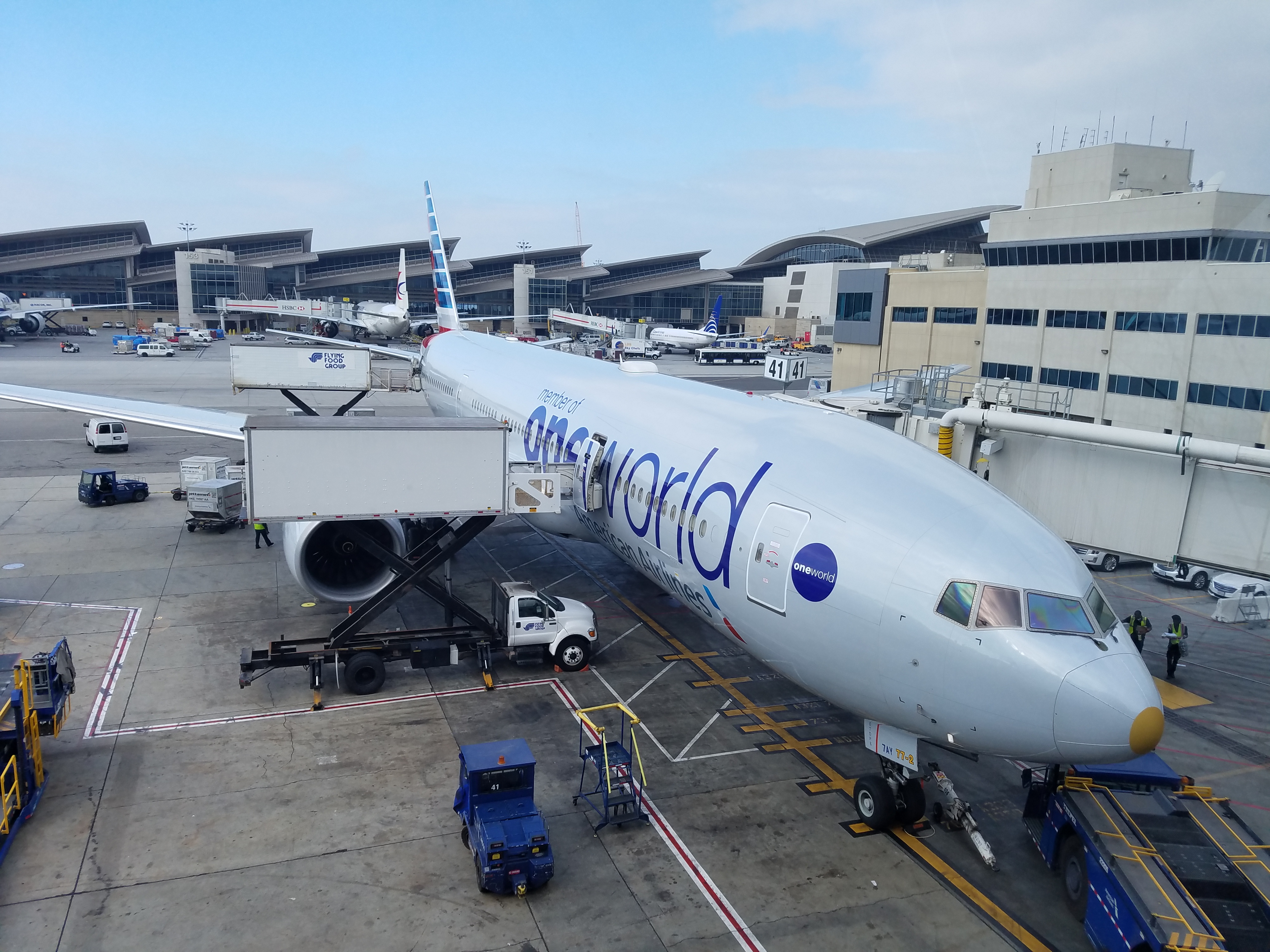
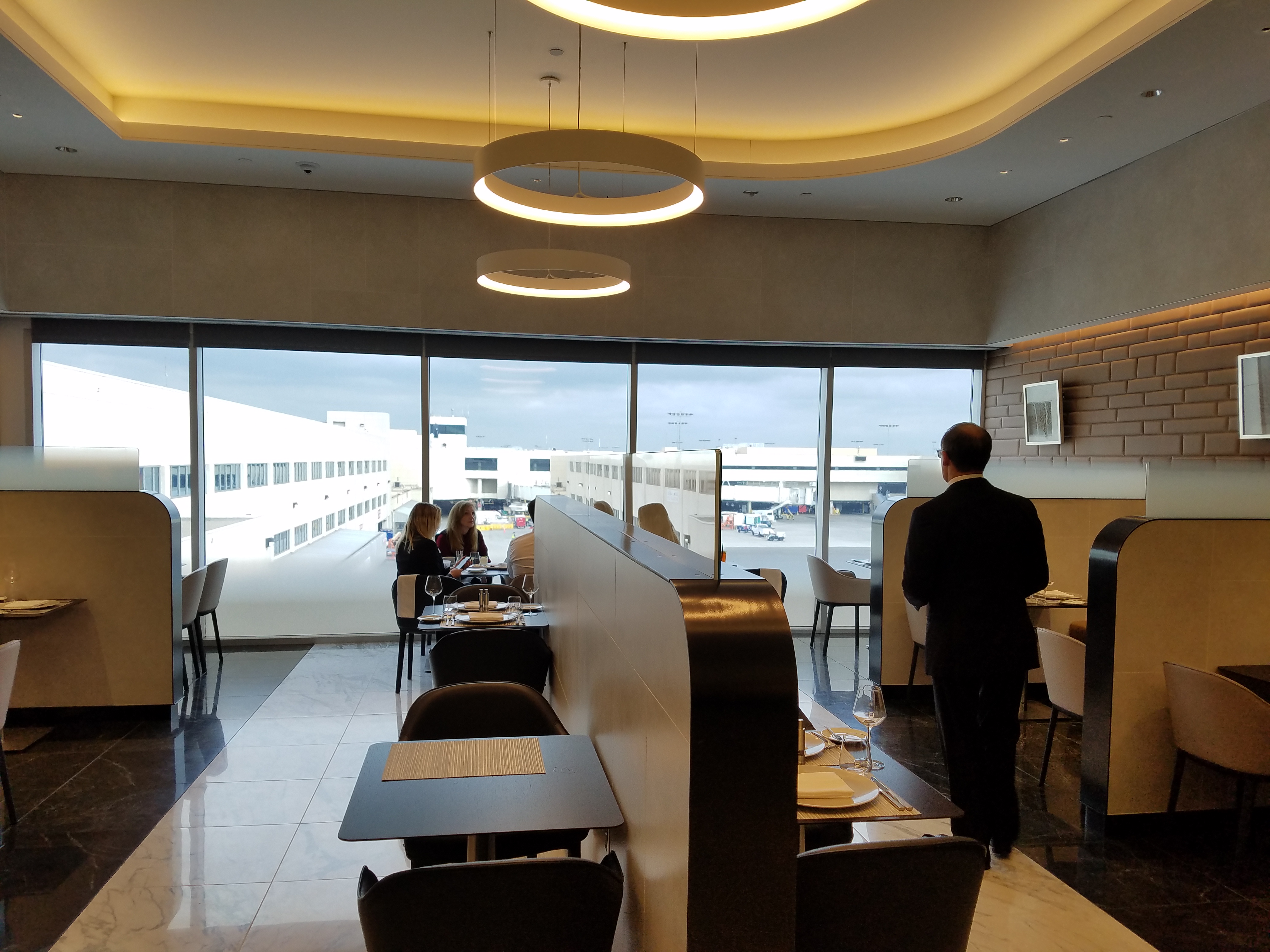
American should also re-open Flagship First Dining at the airport which is one of the best deals and experiences in travel to really distinguish themselves in the premium space. That would take them from offering the third-best ground experience at the airport behind Delta One and United’s Polaris lounge, to offering the best and give them a brand halo in the market.

They Need To Do More In The Bay Area
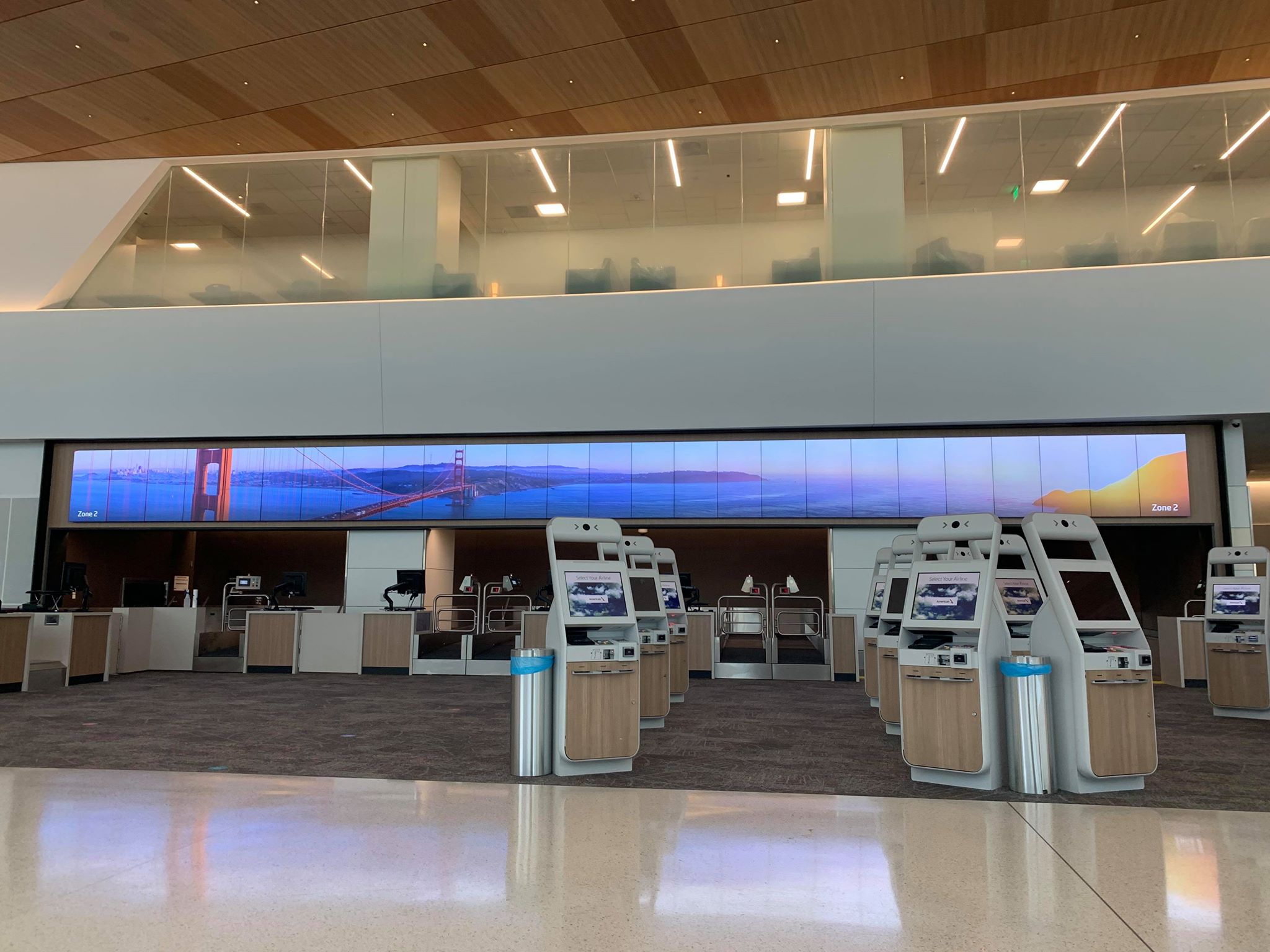
American’s operation in San Francisco is small (6.9% of enplanements). United had 48.7% of passengers last year. Alaska had 9.5%, which surprisingly isn’t that many more than Delta (7.6%).
American and Alaska have spoken publicly about a closer relationship, potentially including Alaska in American’s international joint businesses. That helps, but not as much as it once did since Alaska has been pulling back from San Francisco, removing destinations like Burbank, Boston, Austin, Newark and Orlando. Alaska helps more in the Pacific Northwest.
The best strategy is probably multi-airport, building up San Jose. American had a hub there from 1998 – 2003.
Southwest is the dominant carrier, but there’s room for a premium global airline. It has gates and room to grow, since traffic there remains below 2019 levels (15.7 million then vs 10.7 million in 2025). It gives them access to Silicon Valley. Targeted long haul can work here, corporate contracts can be competed for, and American even used to have an Admirals Club (now a Priority Pass ‘The Club’).
The hub failed around the dot com collapse and the aftermath of 9/11. That’s not an analog for today’s opportunity, where this is the best major affluent market that’s contestible.
That Doesn’t Mean Chasing Every ‘Money-Losing Route’
At one point American did do the work internally to build a market-level customer profit and loss calculation alongside its traditional route profitability. For New York, Chicago, Los Angeles and the Bay Area, it should measure:
AAdvantage enrollment and attrition by market
New card accounts, spending and retention
Share of premium and corporate travel
The systemwide revenue those customers generate, not just revenue on local routes
The incremental operating loss, if any, required to maintain a schedule to compete for that business
Then it can test causation. When frequency improves in a market, do card acquisition and spend improve among residents? When a route disappears, do customers move both their flying and wallet to a competitor? Which destinations and departure times actually change behavior?
That helps identify routes where the value is real and missed in their conventional route-level accounting versus those where ‘strategic flying’ doesn’t actually produce profits.
And they don’t need to dominate every market. They aren’t going to win New York – one of the greatest blunders in airline history was Doug Parker selling the US Airways New York franchise to Delta. That can’t be undone. And they aren’t going to get bigger than United in Chicago. But they can be relevant and a preferred carrier in the biggest markets, and attract card spend, especially now that their Citibank partnership is structured more like a joint venture that gives them more of the upside than just selling points.
American Needs More Investment
American Airlines has a decades-long investment deficit. They spent the early part of the century treading water after 9/11 and through the financial crisis, trying to avoid bankruptcy while other airlines shed costs and debt. To do this, they scrimped – and burned employee goodwill through a series of wage and benefit cuts.
Then US Airways management took over and reversed the carrier’s own bankruptcy exit strategy which entailed a premium focus. They cut clubs and meals, packed planes with more seats, and removed business class in favor of lower classes of service.
The result of all of this is a financially-underperforming airline with an eight point margin gap to United and Delta, because they’ve offered a product that’s attracted people when it’s cheapest and most convenient, not that are willing to pay more for it. And customers have stuck with them for AAdvantage – but this has been harder in several prime markets like New York, Chicago and Los Angeles.
They’ve underinvested in planes, and retired too many. They’ve underinvested in their operation, which isn’t just on-time performance but also bags and involuntary denied boardings. And while they’re adding premium cabin seats they don’t have nearly enough extra legroom seats for passengers to buy up into.
Turning around an airline takes a long time and they’ve only been at it for 21 months. Nonetheless, they need to reverse the decision they made at the start of the pandemic to shed aircraft. They need to reverse the decision from a decade ago to shed premium seats, including by adjusting the LOPA to add more extra legroom seats. And they need to remember that most of their passengers fly coach, the passengers who will fly business class in the future come from this pool and need to think well of the carrier (and business class flyers international may be coach flyers on short domestic trips), and so the coach product matters too.
They need to rebuild in America’s most important cities because that’s where card spend is, while maintaining their position in Sun Belt growth regions, but do so by offering a product that’s appealing to the customers they need to attract.
More From View from the Wing