

On a recent summer morning in Queens, Jordyn encountered a neighbor she knew to be living with a serious mental health condition. He had been pacing the block for several days, talking to himself, and exhibiting increasingly concerning behavior.
Believing he needed mental health care, and knowing the risks of escalation and violence involved in sending police in situations like this, she called 911 with one repeated request: send a mental health response unit, not law enforcement.
The dispatcher listened and asked some follow-up questions, but despite her clear request, police arrived soon after. It wasn’t until after police were on the scene that Jordyn received a callback from 911 and learned dispatchers had been trying to send a B-HEARD team to her location from the Bronx because no team was immediately available in Queens. These teams are part of a city program dispatching teams of EMTs and mental health professionals instead of a traditional police-led response to certain mental health 911 calls.
While the officers had Crisis Intervention Team training and did not cause harm when they arrived, they are not clinicians. They are not equipped to provide the kind of engagement, de-escalation, and connection to ongoing services that many people experiencing psychiatric crises often need.
That morning exposed a problem far bigger than one response to one 911 call. New Yorkers cannot ask a 911 dispatcher to send a B-HEARD team. The decision is made through the city’s dispatch protocols, not by the caller. But regardless of how calls are triaged, the underlying problem remains: there are too few crisis response teams available to meet the need. A crisis response system cannot fulfill its promise if the workforce needed to staff it doesn’t exist.
The city has acknowledged that EMS staffing shortages have directly affected B-HEARD’s ability to respond to calls, ultimately leading officials to transition the program away from its original staffing model. The Comptroller reached a similar conclusion in a 2025 audit. Between Fiscal Years 2022 and 2024, more than one-third of calls deemed eligible for B-HEARD never received the service.
None of this should surprise anyone working in mental health care.
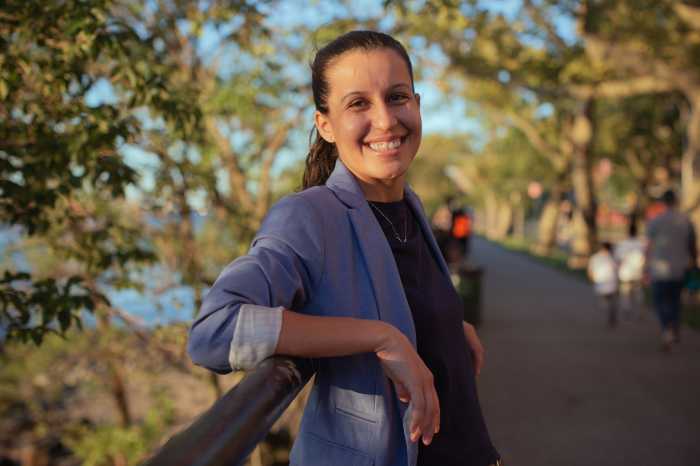 Tiffany Cabán is the New York City Council Member representing District 22 in Queens and serves as chair of the Council’s Committee on Mental Health and Substance Use.Photo by Corey Torpie
 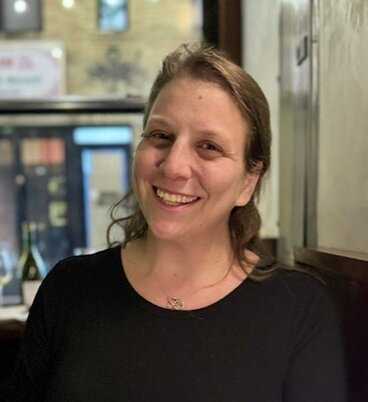 Jordyn Rosenthal is Advocacy Director at Community Access and lead organizer of Correct Crisis Intervention Today-NYC (CCIT-NYC), a coalition working to improve New York City’s mental health crisis response system.Community Access
Across New York, providers struggle to recruit and retain licensed clinicians, peers, social workers, EMTs and other professionals who make crisis response possible. Demand has grown dramatically, while the workforce has not kept pace. Every shortage reverberates throughout the system, from mobile crisis teams to outpatient care to supportive housing.
Between us, we have spent years working to improve New York City’s mental health system—from shaping policy at City Hall to working directly in mental health and crisis response advocacy. We know enough to recognize when someone needs specialized intervention. We also know that recognizing a crisis is not the same as being equipped to respond to one. No neighbor should be expected to fill that role, and, likewise, police officers should not be expected to shoulder responsibilities that belong to mental health clinicians and crisis specialists simply because there are too few of those to send.
This is not about assigning blame. It is about building a system that matches New Yorkers’ expectations.
If New Yorkers believe that a person experiencing a mental health crisis should be treated as a patient, not a criminal, then we have to build—and fund—the workforce capable of delivering it. That means expanding the mental health workforce, creating competitive compensation that helps recruit and retain qualified professionals, ensuring enough crisis teams exist to meet demand across every borough, and improving transparency so policymakers and the public understand when and why specialized responses are unavailable.
Every day, New Yorkers encounter neighbors, family members, friends and strangers experiencing psychiatric crises and face the difficult decision of whether to call for help. When they do, they should be able to rely on a system that can provide the response that best fits the situation.
Creating that system requires more than good intentions or innovative pilot programs. It requires sustained investment in the people who make those programs work.
The next time someone calls 911 during a mental health crisis, the outcome should not depend on whether a response team happens to be available. It should depend on what the person in crisis actually needs.
New York has already shown us what a compassionate crisis response can look like, now we need to ensure there are enough people to deliver it.
Tiffany Cabán is the New York City Council Member representing District 22 in Queens and serves as chair of the Council’s Committee on Mental Health and Substance Use. Jordyn Rosenthal is Advocacy Director at Community Access and lead organizer of Correct Crisis Intervention Today-NYC (CCIT-NYC), a coalition working to improve New York City’s mental health crisis response system.