
New York City is part of a growing list of cities attempting to remedy the harms experienced by Black Americans.
getty
The remnants of chattel slavery still mar the experiences of Black Americans around the country. Hundreds of years of systemic harm have created chasms in the workplace, healthcare, education, and within other systems and institutions. New York City is part of a growing list of cities including Boston, Detroit and Philadelphia, that are attempting to remedy the harms experienced by Black Americans, through a commission to study reparations. Despite the growing interest and increased conversations about reparations, there is also steep pushback from the current administration.
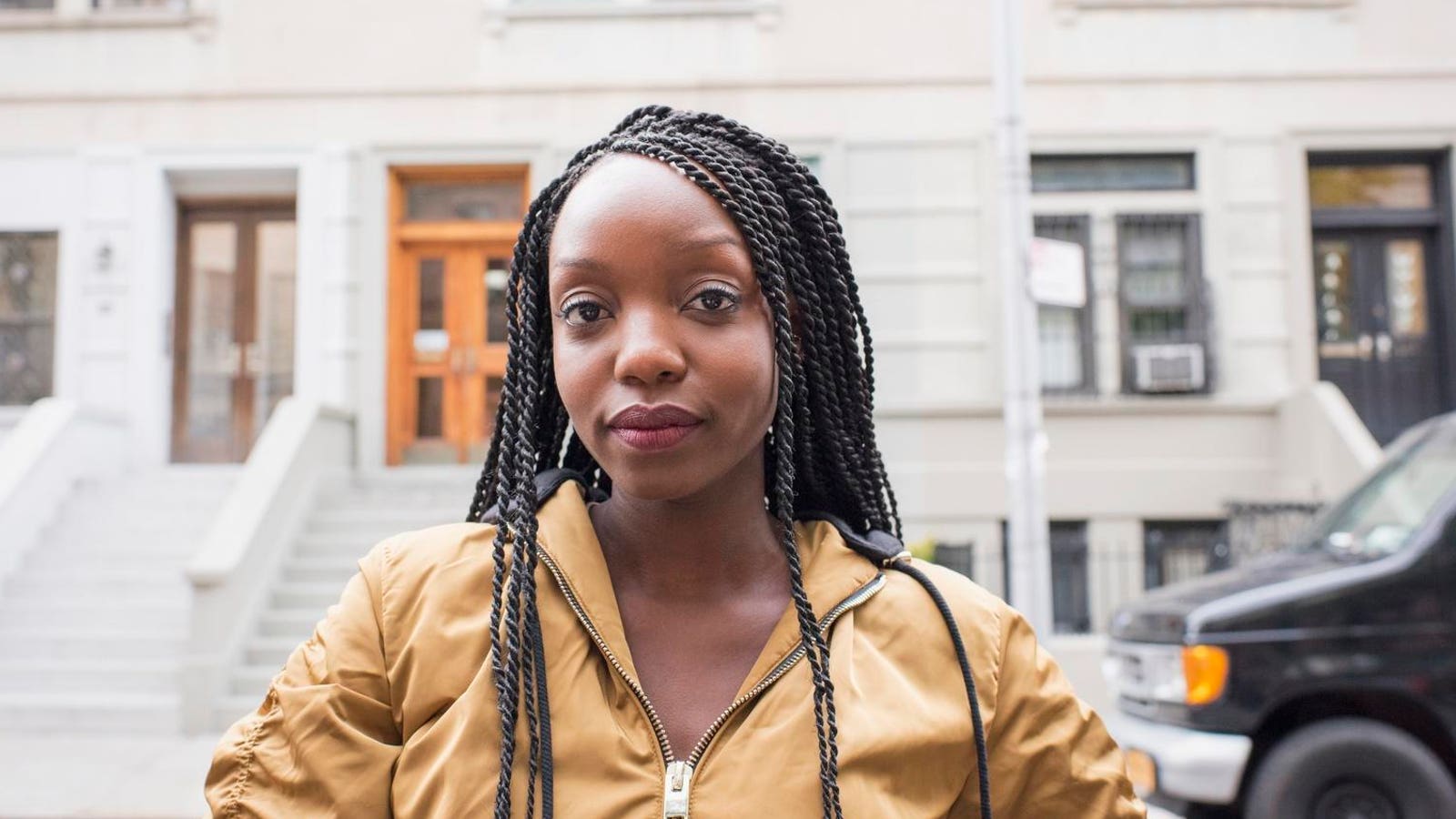
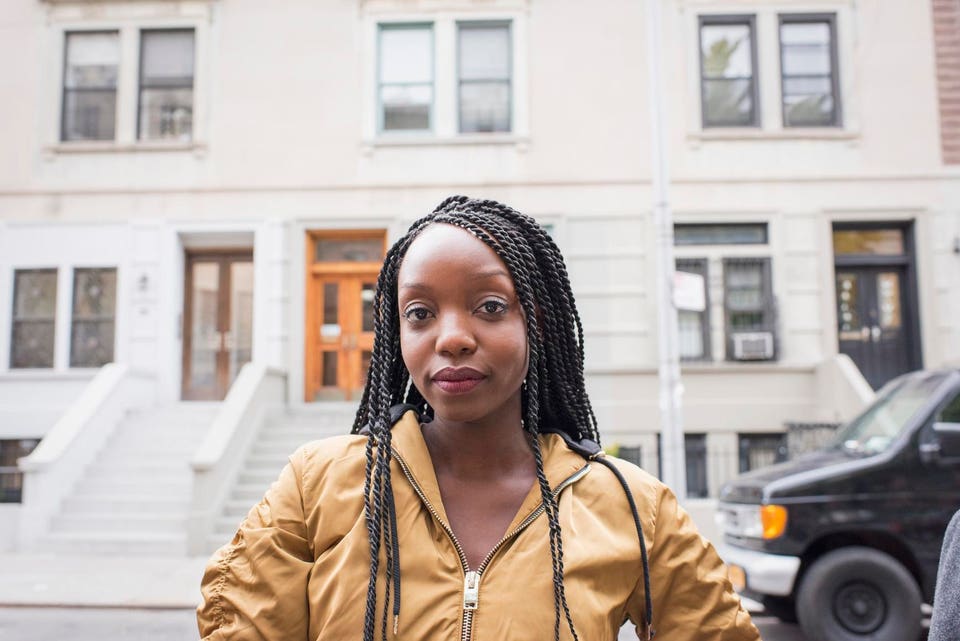
Linda Tigani is the chair and executive director of the NYC Commission on Racial Equity (CORE), where she has been part of spearheading a study on reparations. “The reparations, truth, healing, and reconciliation work at NYC CORE in partnership with Tyrik Washington of 4TE Capitol Solutions is historic. We are the only city in the world co-leading a truth, healing, and reconciliation process while simultaneously establishing an NYC study on Reparations,” Tigani explained.
Linda Tigani is the chair and executive director of the NYC Commission on Racial Equity (CORE)
NYC CORE
“Since our launch,” Tigani shared, “we have led several citywide and borough-wide events, identified community values for NYC CORE while at Weeksville, and celebrated Black History and Juneteenth with the largest NYC event serving 4,000 New Yorkers. NYC CORE is developing tools to serve jurisdictions seeking to collect truth testimony and have a community-centered reparations study. We are still in the launch phase. We are preparing for a series of citywide and borough-wide events that will activate New Yorkers of all ages to understand the importance of this work, build a coalition across all New Yorkers for reparations and collect the truth behind the ongoing impact of chattel slavery on today’s New York City and its residents.”
“As a Black American, who is a native New Yorker, and a current resident of New York, reparations would not only be an acknowledgment of the wrongs that were done to our ancestors, but it would be a pathway forward out of debt, and into generational wealth,” shared Ashani Mfuko, a New York-based cultural competency leadership consultant. “It would create an opportunity for me to invest in growing my New York-based small business, with less financial strain, and more long-term sustainability, so that I can invest back into our community.”
“Reparations would represent a long overdue reckoning with the systemic extraction of wealth that shaped my family trajectory across generations,” shared Harlem resident Miakel D. Williams, a managing partner of Savvy Esquires, LLC. “I grew up as a military child born in Texas, with my father from Memphis, Tennessee, and my mother from Cleveland, Mississippi. My grandfather, James Williams, broke barriers as one of the first Black graduates from Delta State University. Despite his brilliance and resilience in navigating the segregated South, the systemic inequities of Jim Crow meant that Black families like mine were consistently locked out of the generational wealth creation that built the American middle class.”
“For my family,” Williams shared, “reparations would not simply be symbolic acknowledgment; they would be a tangible restoration of the economic equity our ancestors were systematically denied. Even as an attorney practicing in New York, you realize that achieving professional success does not automatically erase generations of compound interest and wealth denial. Reparations would bridge that historical deficit, transforming how we invest in our families, secure long term community stability, and pass down genuine, lasting security to the generations that follow.”
“Reparations would bridge that historical deficit, transforming how we invest in our families.”
getty
Continuing equity-related work amid such brutal backlash has been a challenge, but Tigani explained that she’s up for the task. “The values of racial equity leadership lead me, professionally and personally, to take on this moment, not by myself but in community. There isn’t a moment that I have been alone. At the beginning of this work, I would meet people throughout the city who said, ‘I voted for you, I am so glad it’s happening.’ To be able to stand with the NYC CORE community and remain steadfast in our commitment to naming race and racial equity in this political moment is not just a moral imperative; it’s a spiritual calling. I think it takes all of us to acknowledge that this set of political leaders and the people’s will is not coincidence…it is an opportunity for great transformation. I am overwhelmed and overjoyed that I get to wake up and do this work every day.”
Although reparations will not erase the historic harms that Black Americans have experienced in the country, they can begin the process of repair. Helping to address the gaps that Black people have and continue to experience will not only benefit the Black community but can make workplaces better, positively impact the economy and make institutions more equitable places for everyone, as Forbes contributor Britney Porter has explained. “Reparations for Black Americans in New York is long overdue,” Mfuko said. “It’s time for New York to repair the generational trauma, stolen labor, and the financial disenfranchisement of the Black Americans who built New York.”