
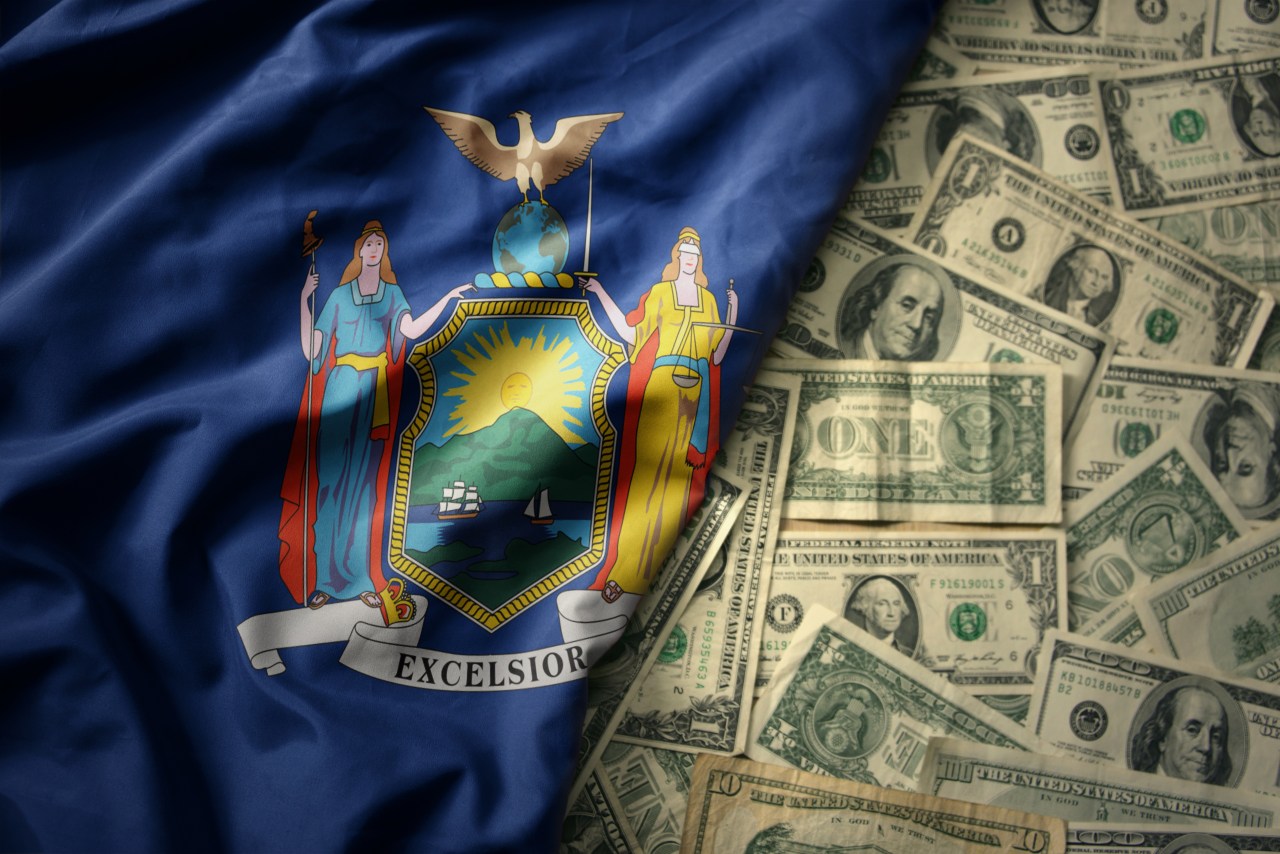
ALBANY, N.Y. (NEXSTAR) — Prices outpacing wages in New York mean everyday household budgets can’t keep up. In July, Cornell University released “A Portrait of Work in New York State from 2003 to 2024,” showing that 68.3% of New Yorkers see the cost of living as their biggest problem.
Planned Parenthood Empire State Acts urges New York to fund trans care for minors
Researchers at the Center for Applied Research on Work at Cornell University’s School of Industrial and Labor Relations tracked state employment indicators and public opinion from 2003 through 2024. Their latest Empire State Poll of 2,686 New Yorkers is available to read at the bottom of this story.
They found that average household income grew 68%, from about $83,000 in 2007 to almost $140,000 in 2023. But inflation negated most of those gains, leaving families with only a 14.3% increase in actual purchasing power over 16 years. Not counting utilities, the data showed that a third of New Yorkers today spend between $1,001 and $2,000 a month on housing, with families downstate paying the highest rents and mortgages.
REPORT: New York National Guard spent 831,000 days guarding state prisons in 2025
The lack of purchasing power drove statewide economic anxiety, as over 40% of respondents reporting being worse off financially year-over-year through 2024. Among respondents with jobs,13.4% relied on app-based gig work that year.
The data also highlights a persistent gender income gap averaging $27,300 in 2026 dollars. Incomes for men and women were briefly almost equal in 2020, but the gap has widened again. Cornell researchers also found that average working hours across all education levels and racial groups decreased post-covid, falling from a 38- to 45-hour baseline to 28 to 38 hours a week by 2024, while active job-seeking dropped by 10.4% that year.
New York defies Trump’s latest executive order on vaccines
White and Asian households reported comparable income levels over the study period, but only white households had a clear, observable upward trend. But Black households reported consistently lower incomes relative to those groups.
Ongoing economic strain also lowered public confidence in institutions, the research found. New Yorkers with a negative economic outlook reported less trust in governments, businesses, and news outlets. According to the research survey, trust in local government was at 24.9% in 2016. By 2022, the percentage of people who trusted local government was 20 points below those who distrusted it. Trust in large corporations remained low over the entire study period, hovering between 10% and 15%.
New York AG warns against proposed federal gun deregulations
Meanwhile, the share of New York households with at least one union member dropped to 12.5% in 2021, peaked at 36.6% in 2023, and settled at 22.9% in 2024. Overall union membership rates remained above the 2024 national average of 9.9%, according to the research.
The most recent jobs numbers from the New York State Department of Labor show a mixed landscape, with the statewide unemployment rate at 4.6% as of June 2026. The state lost 3,400 private sector jobs over that month, but total private employment grew by 46,000 jobs compared to June 2025. The statewide labor force participation rate also ticked down from 61.7% to 61.5%.
DOJ sues NY to block in-state tuition for undocumented students
Meanwhile, DOL has projected that most long-term job growth will be in healthcare and social assistance.
Take a look at the report below: