
A large supportive housing provider will have to help its tenants pursue alternative financial remedies before it pursues an eviction, according to a settlement agreement filed on Monday.
CAMBA, the large nonprofit housing provider in NYC that manages housing for homeless individuals and families often facing mental illness and substance, unveiled the new financial protocols as part of a landmark settlement it recently agreed to with Legal Aid Society attorneys.
The agreement means that the housing provider will set up a protocol to exhaust all financial relief options before it pursues an eviction. CAMBA will routinely have to help tenants with financial management tools like payment plans, and emergency grant applications with the city known as “one shot deals.”
“Our clients should not lose their homes because a rent arrears problem was never given a meaningful opportunity to be resolved,” Legal Aid Society attorney Maddie Reichman said. “This settlement requires CAMBA to put housing stability first by connecting tenants to available assistance and exhausting reasonable alternatives before seeking to evict them.”
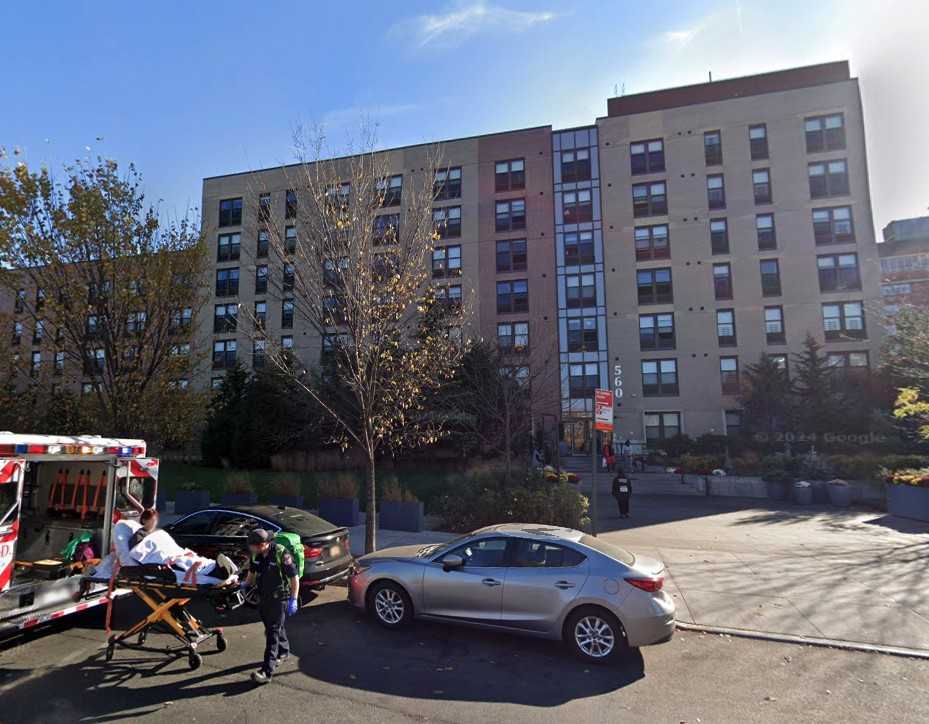
The agreement comes after three tenants with mental and physical disabilities sued CAMBA in federal court last year, alleging that its eviction policies failed to accommodate their needs and deprived them of housing and human rights protections. CAMBA did not respond to a request for comment on the settlement.
The tenants all faced eviction proceedings after missing rent payments in two CAMBA buildings. Their suit claims that CAMBA has regularly sought default eviction judgments against its tenants without informing the court of the tenants’ disabilities that often contribute to them not appearing in court.
Over a year and half from from 2024 to 2025, CAMBA brought 162 nonpayment eviction cases against tenants in nine buildings that it manages, the court papers show.
The agreement outlines a new set of protocols that will change the way CAMBA approaches nonpayment for disabled tenants. First, includes a series of actions that its staff will have to take before seeking an eviction.
The settlement requires CAMBA to help tenants pursue financial assistance including payment plans, emergency housing grant applications, and subsidy assistance. The new system will stop evictions from moving forward if tenants are actively cooperating with efforts to obtain rental assistance.
When it does seek an eviction, CAMBA’s staff is required to tell their lawyers to note on eviction filings when the participants are living in supportive housing.
CAMBA has three months to implement the new procedures under the agreement and agreed to 15 months of monitoring and enforcement by Legal Aid. It will also be required to provide Legal Aid with reports on eviction proceedings among its supportive housing tenants.
While the agreement only applies to CAMBA tenants, Legal Aid wrote that it hopes that the new system could serve as a model for other providers who manage supportive housing in the city.