
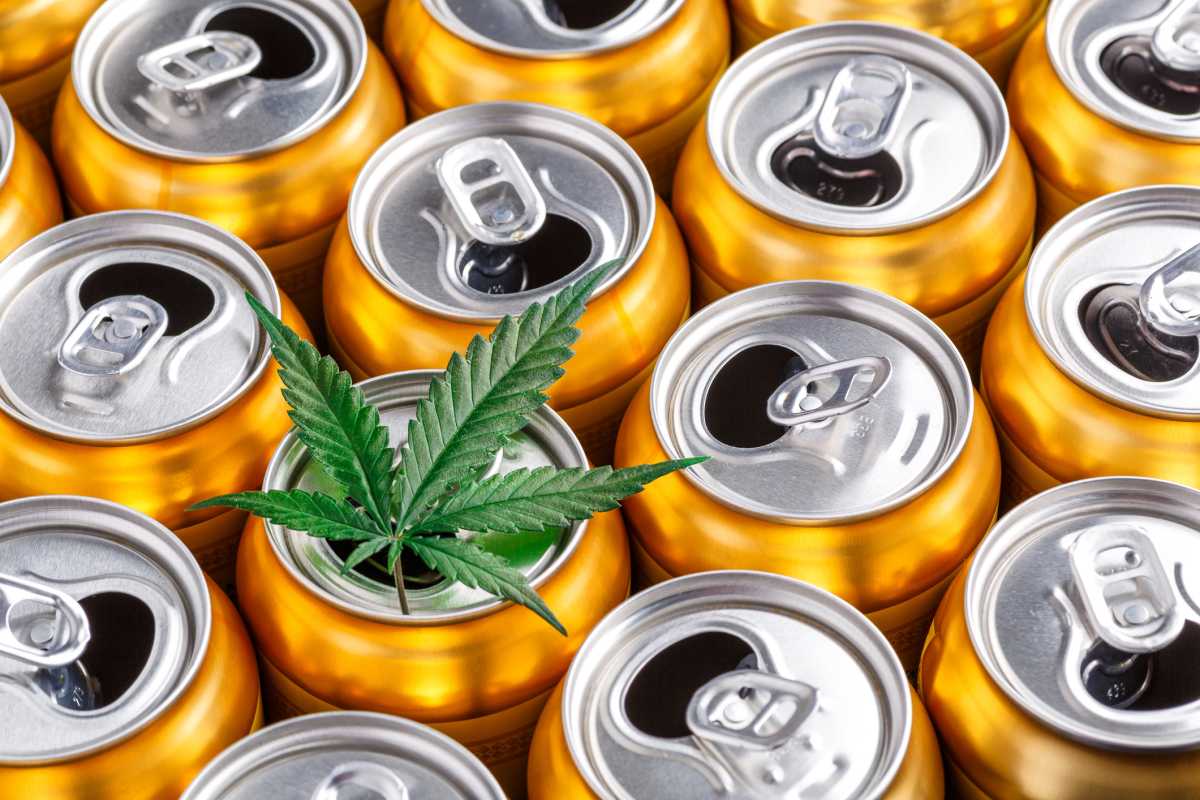
Drinks containing THC, the compound from cannabis that produces an intoxicating effect, are rapidly growing in popularity. New Yorkers are ditching alcohol, sometimes just for the evening, and drinking their cannabis – mirroring a trend that we’ve seen nationwide.
However, while these beverages can be purchased legally in a licensed dispensary, recent reporting has highlighted that, oftentimes, consumers are unknowingly buying at their local deli and supermarket illegal THC drinks made by out-of-state operators with little oversight. This illegal activity puts the public at risk, including kids whose ID’s may not be checked at these shops. It also fleeces the state of the revenue the legal market is expected to produce while putting at a disadvantage licensed operators who built their businesses here in New York.
The good news is that New York can fix this. First, there must be stronger enforcement against illegal sellers. Second, we can expand access to better meet consumers where they are with a policy shift that expands access to safe, regulated products through trusted, licensed retailers.
The Office of Cannabis Management has made meaningful progress over the past year against illicit sales, but the state needs to better leverage its resources to combat this scourge and establish an enforcement task force that brings together the Office of Cannabis Management, the Department of Tax and Finance, the State Liquor Authority, and local law enforcement. By combining licensing, investigative, and enforcement resources, the state can more effectively target these retailers and disrupt distribution networks.
Enforcement alone, however, won’t solve the problem. It’s clear consumers want greater access to these products.
That’s exactly what legislation introduced by Senator Jeremy Cooney (S9220A) and Assemblymember Al Stirpe (A10601) would provide by allowing licensed, age-gated liquor and beer stores to sell low-potency THC beverages while ensuring those products come from New York’s licensed adult-use cannabis industry rather than the unregulated out-of-state hemp market.
That distinction is becoming increasingly important with a federal ban on hemp-derived THC products scheduled to take effect in November. The Cooney-Stirpe proposal charts a course around this issue by relying on licensed New York cannabis manufacturers that already produce products subject to rigorous testing, labeling, and seed-to-sale tracking requirements while creating jobs locally.
The bill would also expand access for adults looking for an alternative to alcohol in a setting they’re already familiar with. Importantly, data shows that seasoned consumers prefer higher potency beverages, which would remain with licensed dispensaries. By expanding access to lower-potency beverages, the State is displacing the illicit market – not taking sales away from dispensaries. In the end, consumers would have less reason to turn to illicit sellers offering products of unknown origin and quality while paying the taxes state and local governments are relying upon.
New York has spent years building a regulated cannabis market centered on public health and consumer safety. Now it needs to make sure the market can compete.
A coordinated enforcement strategy and a modern retail policy are complementary ideas. Together, they can reduce illegal sales, protect consumers, keep intoxicating products away from minors, and ensure the future of THC beverages belongs to New York’s regulated cannabis industry rather than the illicit market.