
The headline of this story has been updated to correct an error in editing, and to describe NYPD plans for neutralizing drones.
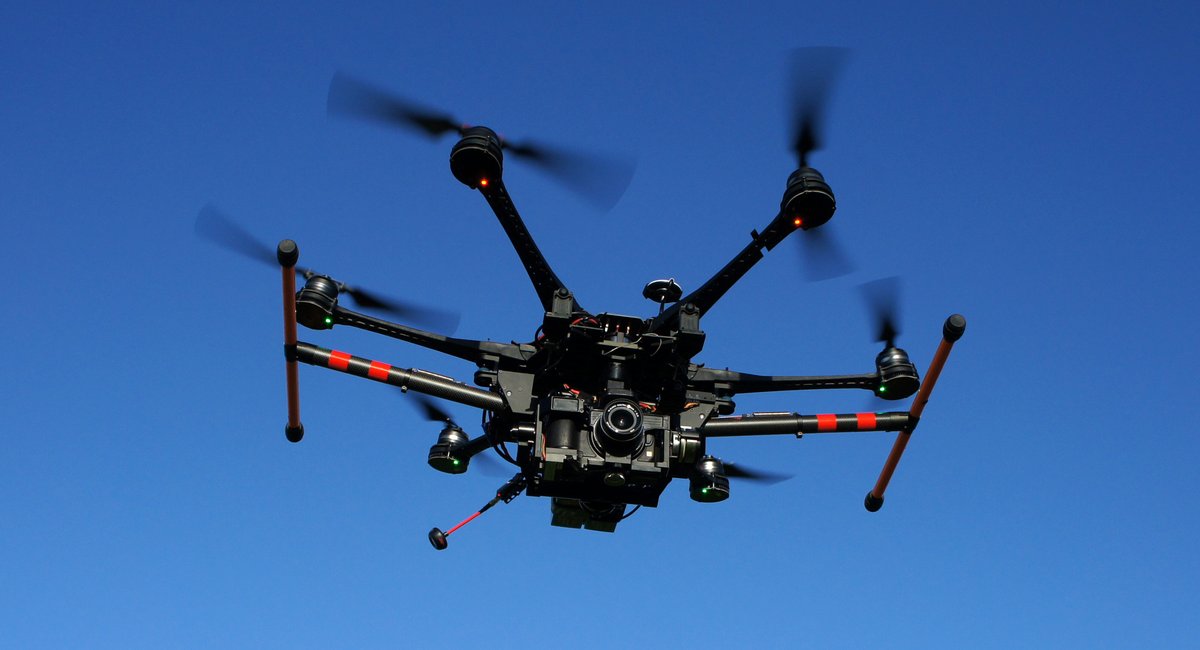
The NYPD will independently neutralize unauthorized drones caught flying over the US Open. It marks the first time any state or local agency has used new federal authority to conduct independent drone mitigation operations, according to Commissioner Jessica Tisch.
Tisch announced the change Friday at the department’s security briefing for the 146th US Open, which kicks off this Sunday with Fan Week. The main draw begins Aug. 30 at the USTA Billie Jean King National Tennis Center in Queens.
Authority for the department’s independent drone program, which allows the department to redirect drones using electromagnetic signals, comes from the Safer Skies Act Congress passed late last year. The official rule only took effect July 1.
Up until now, the NYPD’s counter-drone team had worked alongside federal partners to mitigate drones. That was the case earlier this summer during the World Cup, Tisch said.
“Here at the US Open, trained NYPD personnel will be ready to exercise that authority ourselves,” she said.
Tisch said there are no specific credible threats to the tournament and outlined other security measures as well.
Hundreds of officers are assigned to a dedicated US Open that includes the bomb squad, aviation and mounted units, emergency service officers, explosive-detection dogs, heavy weapons teams and plainclothes personnel. Concrete barriers will ring the perimeter, and more than 100 light towers will go up across the complex.
The United States Tennis Association anticipates 1.2 million fans will come to the Open over the next few weeks. Attendees will have to go through a screening process before entering the events, and a list of prohibited items is available on the US Open website.
Tisch encouraged visitors to use public transportation to get to the event. The NYPD will increase police presence along the 7 line, she said, and both MTA and LIRR will be running additional trains to help visitors get home at the end of each day.