
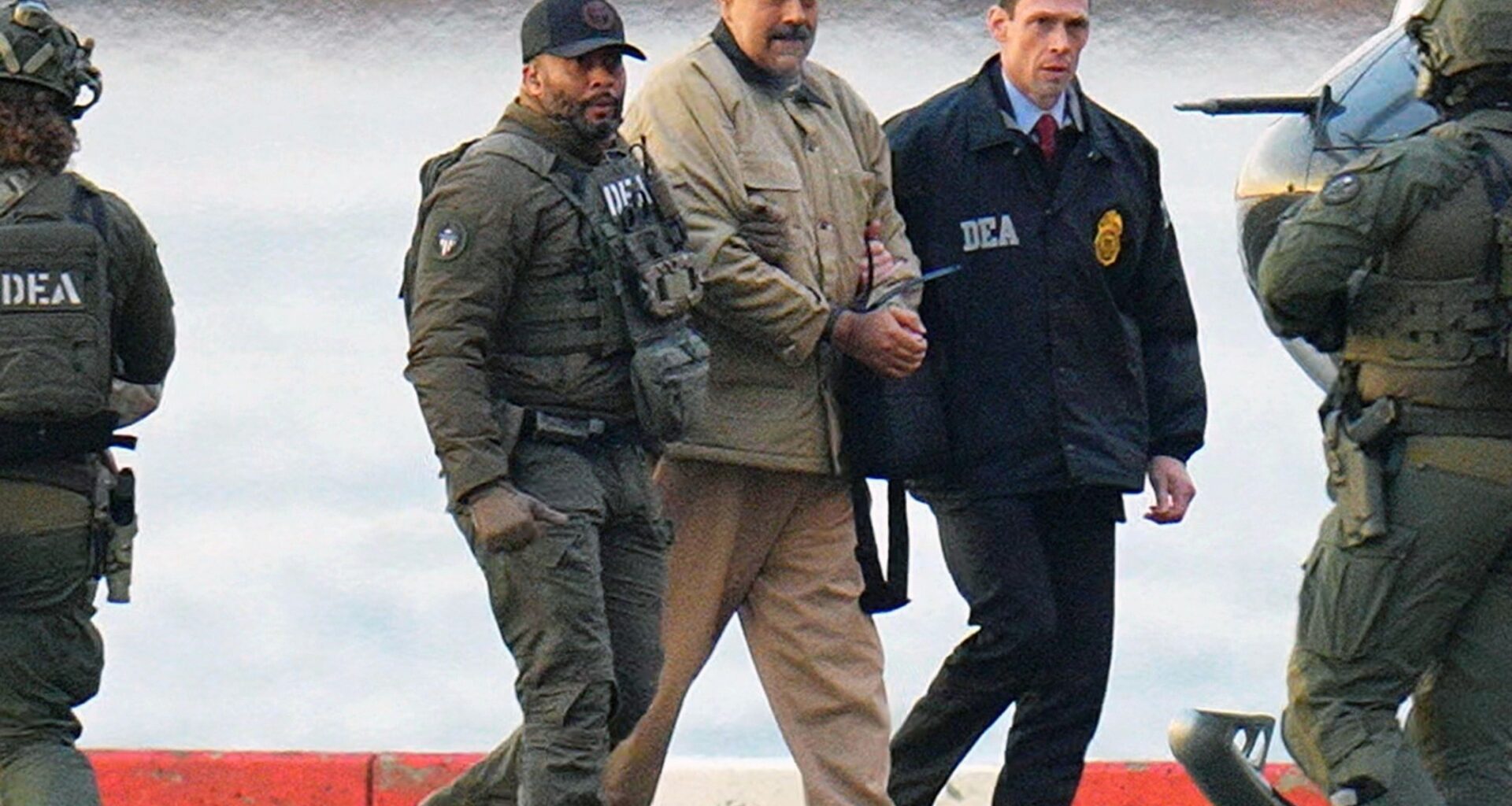
Removing a dictator is an event. Building a democracy is a long, arduous process. I learned that lesson firsthand over three decades ago in Nicaragua, where I witnessed both the promise and the fragility of democratic transition.
When I arrived in Nicaragua in 1991, the country was beginning a remarkable new chapter in its history. Violeta Chamorro had defeated the Sandinistas at the ballot box, ending a decade of revolutionary rule and opening the door to democratic governance. But no one believed the election alone would secure democracy. The hard work was just beginning.
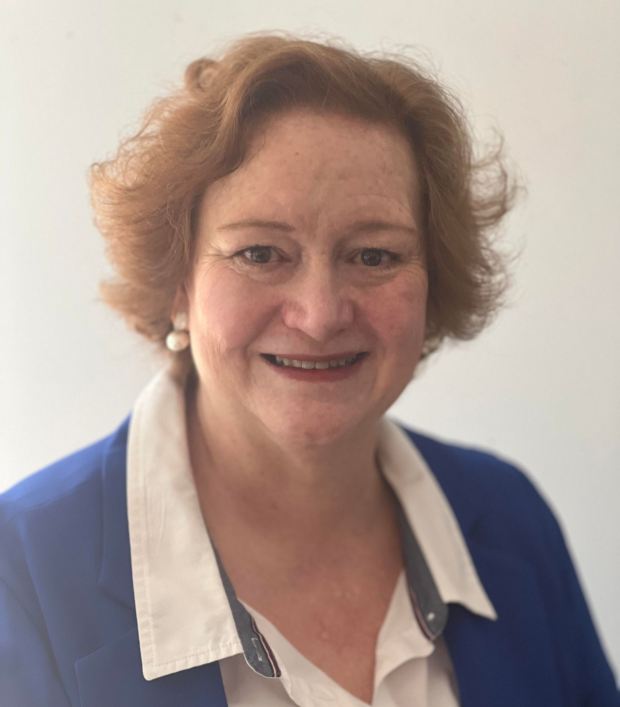 Lynn Northcutt Vega is a retired career foreign service officer. (courtesy, Lynn Northcutt Vega)
People came from around the world to help — diplomats, development professionals, economists, governance specialists, humanitarian workers and public administration experts from the Organization of American States, the United Nations, international financial institutions and countless nongovernmental organizations. At the same time, thousands of Nicaraguans returned from exile determined to rebuild their country.
We worked together to strengthen democratic institutions, improve transparency, modernize public administration, and support civil society. One project I remember especially well was installing an electronic voting board in Nicaragua’s National Assembly that displayed, in real time, how every deputy voted. It reinforced a simple lesson: Democracy survives only when transparency is the rule and citizens trust their institutions.
Democracy is built from the ground up, and it is never self-sustaining. Despite years of progress, much of what we built in Nicaragua eventually unraveled as institutions weakened, public confidence eroded and authoritarianism returned.
These lessons now raise an unavoidable question for President Trump and his administration.
Given that we know what is needed to help countries rebuild and sustain democracy after authoritarian rule, why aren’t we doing it in Venezuela?
By removing Nicolás Maduro from power, President Trump and his team assumed a responsibility to help Venezuela succeed afterward. They must now assemble our allies, mobilize international institutions and build democratic institutions that can endure. Valuable time is slipping away. Every delay makes rebuilding more difficult, more expensive and more uncertain. The question today is whether we have the will and the capability to lead this.
Much of our capability has been lost. The dismantling of USAID and the loss of its development professionals significantly diminished America’s capability to help countries navigate transitions from authoritarian rule to democracy. For decades, we invested in developing this unique capability. That knowledge and experience are now gone.
The consequences of failing to lead are easy to predict. Without democratic institutions and a growing economy, thousands of Venezuelans will continue to leave in search of safety and opportunity. Colombia and other neighboring countries will face even greater economic and social pressures. Many Venezuelans will journey north to our borders because they see no future at home.
Helping Venezuela rebuild is not simply an act of generosity. It is one of the smartest investments we can make in the long-term stability, security and prosperity of our nation and the entire Western Hemisphere.
The world is watching President Trump. Our allies want to know whether he is as committed to helping Venezuela succeed as he was to removing Maduro. Our adversaries are watching to see whether his commitment ended when the headlines faded.
Today, many of his comments center on increasing oil production and developing critical minerals. Those objectives are worthwhile, but they are not a strategy for building democracy. Importantly, Trump’s administration must provide a full accounting of how Venezuelan oil revenues are being safeguarded and invested in rebuilding the country.
Three decades ago, I learned that elections begin democratic transitions, but institutions sustain them. I also learned that the United States can make an enormous difference when it leads strategically with patience and professionalism.
Today, it is our responsibility to help Venezuelans build a democracy so strong that no future dictator can tear it down. We must give Venezuelans a reason to build their future at home rather than searching for one somewhere else.
That will be the true measure of America’s success.
Lynn Northcutt Vega is a retired career foreign service officer, member of National Security Leaders for America, and an international development and foreign affairs professional based in Springfield, Virginia.