
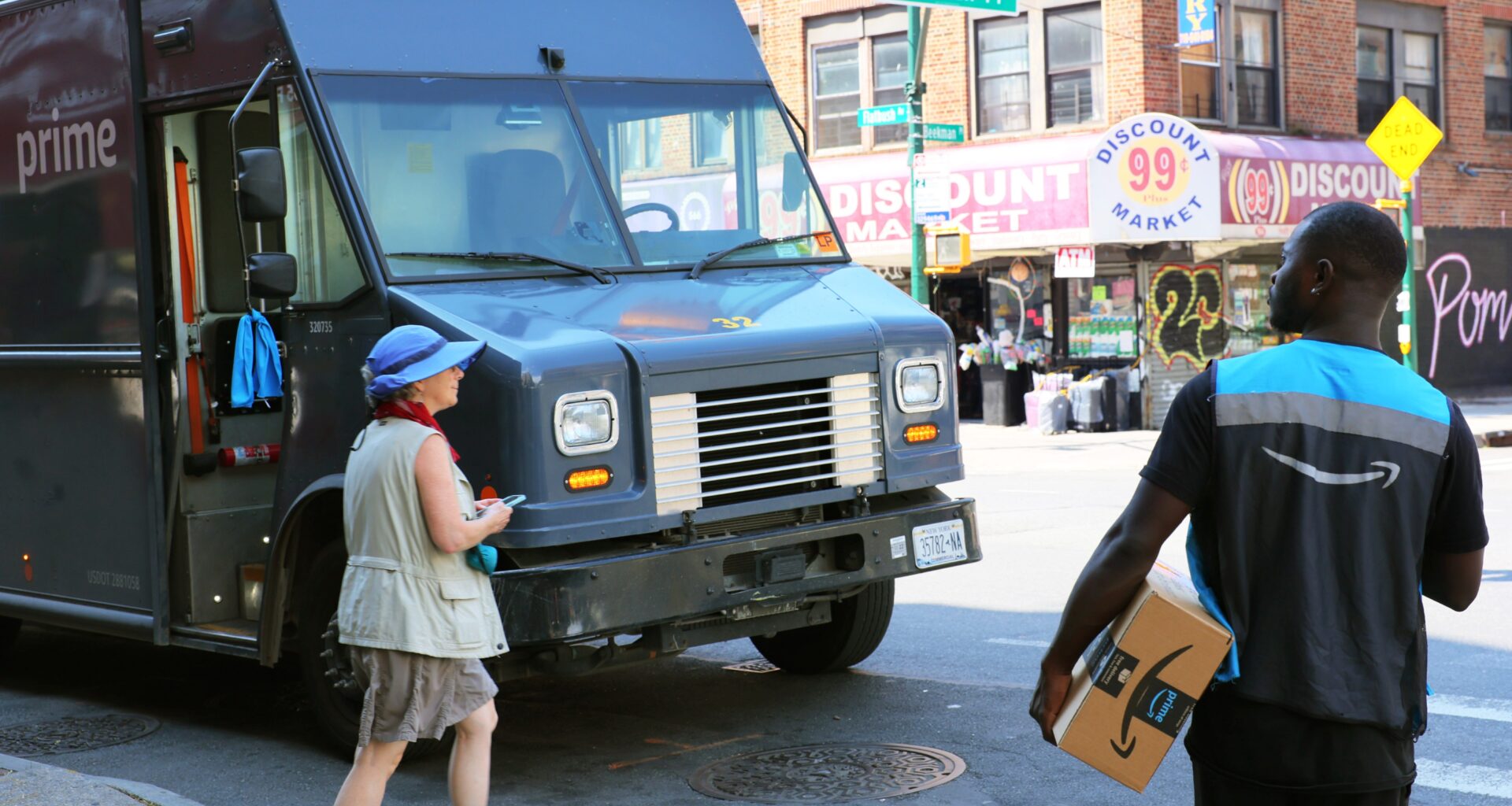
Mayor Mamdani supports the Delivery Protection Act — the bill promises safer streets, protected workers, and corporate accountability. Who could be against that?
I’m not. I want every one of those things. So do the 125,000 businesses my organization represents — many of whom compete against the delivery giants every day and would shed no tears over a law that ensures they play fair.
But this bill won’t do what the mayor says it will. And because City Hall has now put its full weight behind it, someone needs to say plainly what the legislation actually does before the Council votes on a promise instead of a policy.
Start with what’s real. The number of vehicles on the streets involved in deliveries of all kinds have exploded, and people are crying out for better and clearer regulations to ensure safety. Crashes near last-mile warehouses are too high. Delivery models that incentivize speed push drivers to skip breaks and cut corners behind the wheel. Employers should be held accountable when they create unsafe working conditions for their employees. Nobody serious disputes that.
But here’s what the bill’s supporters aren’t telling you.
The bill bans delivery subcontracting and forces facility operators to directly employ every driver. That sounds like it targets Amazon, a trillion-dollar company. In practice, it liquidates dozens of independently owned delivery firms across the five boroughs — many minority-owned, most paying starting wages above $20 an hour with health care, retirement contributions, and tuition benefits, employing residents of the very neighborhoods they serve. A bill that wipes out local companies to punish a global one has its aim exactly backwards.
Second, companies like FedEx and Amazon have an escape hatch — and it’s 15 minutes away. The bill regulates warehouses, not deliveries. When operators inevitably move facilities across the Hudson or to Long Island, all the bill’s benefits will evaporate. We will have traded local jobs and local oversight for New Jersey tax revenue and extra emissions.
Third, every New Yorker pays. This bill significantly increases costs for operators who deliver roughly 2.5 million packages in this city every day. It’s convenient to brush it off that the private companies will absorb the costs, but we know that is not the reality, particularly for small producers and businesses. Those costs land where they always land: on the family in East Harlem ordering diapers, the senior on the Lower East Side who can’t carry groceries up four flights, the disabled New Yorker for whom delivery is not a convenience but a lifeline.
Last-mile delivery is already governed by 12 overlapping regulatory regimes, from DCWP and the Buildings Department to OSHA and the federal motor carrier rules.
If we want results, the tools are sitting right there. Fully staff DCWP so it can enforce the delivery worker protections that took effect in January. Regulate the delivery routes directly. Introduce safety requirements on vehicles and prescribe training for drivers. Mandate proven vehicle safety technology like side guards and automatic braking.
Fix the curbs and loading zones around these facilities, which the comptroller’s own data identifies as the crash problem. And require every operator to publicly report injuries and crashes, facility by facility, so the press and the public can see exactly who the bad actors are. Every one of these would move the numbers. None of them requires dismantling an industry.
A bill this sweeping should not move on vibes — the workers in these warehouses deserve better, and so does everyone waiting on a package. Mamdani is right about the problem. He’s backing the wrong answer — and the city’s business community stands ready to help him find the right one.
Walker is president and CEO of the Manhattan Chamber of Commerce.