
SpaceX (NASDAQ: SPCX) CEO Elon Musk is concerned with the supply of electricity in the U.S. Over the past three months, the space company has spent $15.8 billion scaling its artificial intelligence compute infrastructure — infrastructure that is highly energy-intensive. During SpaceX’s first earnings call on Aug. 11, Musk stressed the need to scale up its energy infrastructure in tandem.
“[O]ur tentative target is to actually have 20 gigawatts at the power and cooling level online by the end of next year,” Elon Musk revealed. “Now I don’t think we’re going to achieve 20 gigawatts, but we want to have a series of projects that cumulatively come to 20 gigawatts by the end of next year. Some of them won’t pan out exactly on time, but I would expect that we still probably have at the power plant level, something close to 15 gigawatts.”
Missed Nvidia in 2009? This Rare Signal Is Flashing Again. In 2009, a “Double Down” signal flashed for a little-known chipmaker called Nvidia. For the first time in years, that same “Total Conviction” signal is flashing for a company 1/100th the size of Nvidia. Continue »

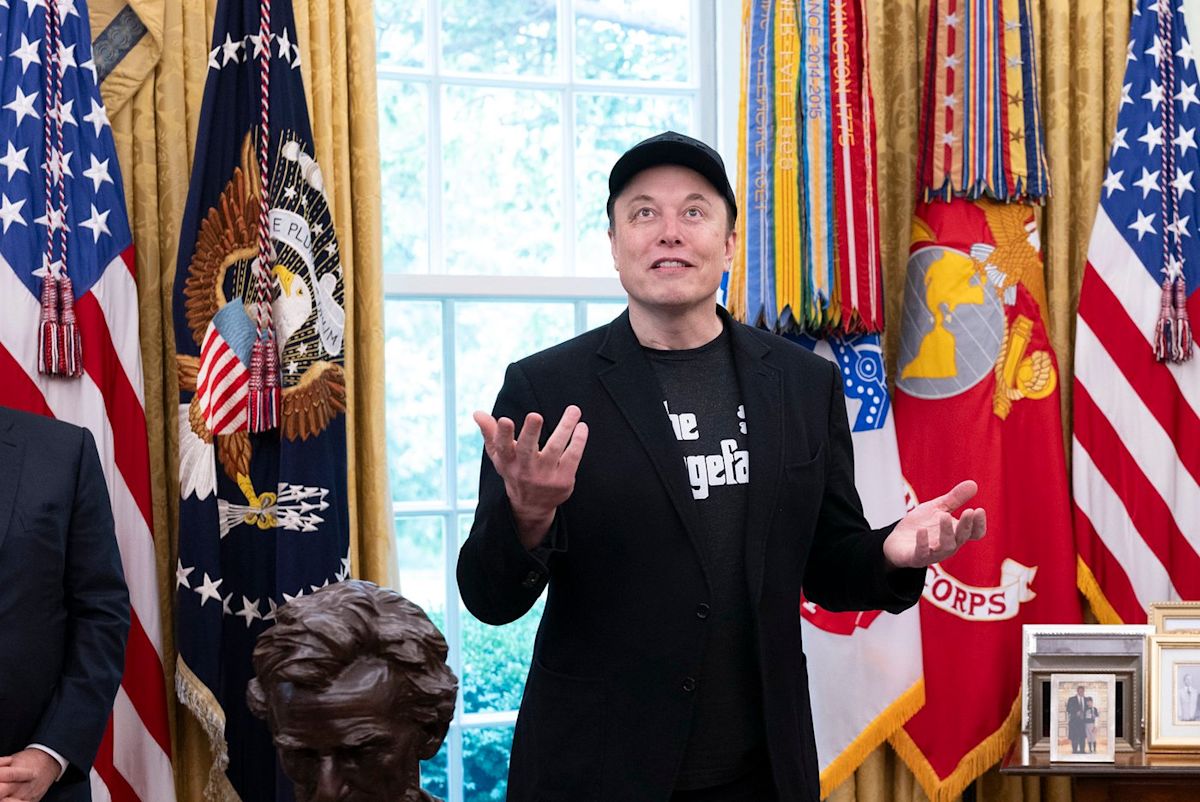
Image source: The White House.
For comparison, New York City requires roughly 10 gigawatts of power during a heatwave, putting SpaceX’s near-term energy needs well beyond the largest city in the U.S.
Thus far, SpaceX has relied on a variety of renewable and conventional electricity sources to power its growing data center empire. More recently, it has leaned heavily on natural gas. But in the long term, new solutions that provide large amounts of reliable, low-carbon baseload power will be needed.
It’s no wonder, then, that the CEO of OpenAI — one of SpaceX’s biggest competitors — personally invested in a relatively new approach to nuclear energy. Fortunately for investors, there are two pure-play stocks betting on that exact thesis.
Nuclear energy is perfect for artificial intelligence
In general, nuclear energy is well-suited to meeting the rising energy needs of SpaceX and other AI companies.
“Unlike wind turbines and solar arrays that generate electricity intermittently, nuclear power plants typically put out a constant supply of energy to the grid, which aligns well with what data centers need,” observes an industry report by the MIT Technology Review.
The main issue with nuclear is simply how long it takes to get a new plant online. “The problem is how to build up nuclear capacity — existing facilities are limited, and new technologies will take time to build,” the MIT Technology Review warns. “To meet electricity demand from data centers expected in 2030 with nuclear power, we’d need to expand the fleet of reactors in the country by half.”
This is where small modular reactors, or SMRs, can play a key role. Designs for these miniature power plants have been around for decades. Only two have ever been commercialized, however. That’s because while quicker to build, SMRs aren’t necessarily cheaper on a per-megawatt basis. But with deep-pocketed AI companies looking to scale energy supply as quickly as possible, adoption for SMRs may soon be on the rise. Right now, more than 80 SMR facilities are in development worldwide.
Where should investors look? There are two main options.
Sam Altman, the CEO of OpenAI, personally invested in Oklo Inc. (NYSE: OKLO) and served as its Chairman for many years. Oklo is currently seeking regulatory approval for its designs, yet has already signed deals with several major AI companies, including Meta Platforms.
NuScale Power (NYSE: SMR) is taking an alternative approach. The company is already approved by U.S. regulators to build an SMR system and has forged deals with utility providers rather than AI data center operators. The company’s deal with the Tennessee Valley Authority, for example, could result in a 6-gigawatt system being built in the eastern U.S. It would be the world’s largest SMR system if built.
Importantly, neither Oklo nor NuScale have ever successfully commercialized one of their designs. And there is no guarantee that their promising project pipelines will ever translate into meaningful revenue, let alone profit. But if you’re looking to bet on AI’s rising power demands, these two SMR stocks should top your research list.
Don’t miss this second chance at a potentially lucrative opportunity
Ever feel like you missed the boat in buying the most successful stocks? Then you’ll want to hear this.
On rare occasions, our expert team of analysts issues a “Double Down” stock recommendation for companies that they think are about to pop. If you’re worried you’ve already missed your chance to invest, now is the best time to buy before it’s too late. And the numbers speak for themselves:
Nvidia: if you invested $1,000 when we doubled down in 2009, you’d have $557,604!*
Apple: if you invested $1,000 when we doubled down in 2008, you’d have $59,011!*
Netflix: if you invested $1,000 when we doubled down in 2004, you’d have $429,223!*
Right now, we’re issuing “Double Down” alerts for three incredible companies, available when you join Stock Advisor, and there may not be another chance like this anytime soon.
*Stock Advisor returns as of August 3, 2026
Ryan Vanzo has no position in any of the stocks mentioned. The Motley Fool has positions in and recommends Meta Platforms. The Motley Fool recommends NuScale Power. The Motley Fool has a disclosure policy.
Elon Musk Says SpaceX Needs More Power Than New York City in a Heatwave. These 2 Nuclear Stocks Should Benefit. was originally published by The Motley Fool