
00:00 Speaker A
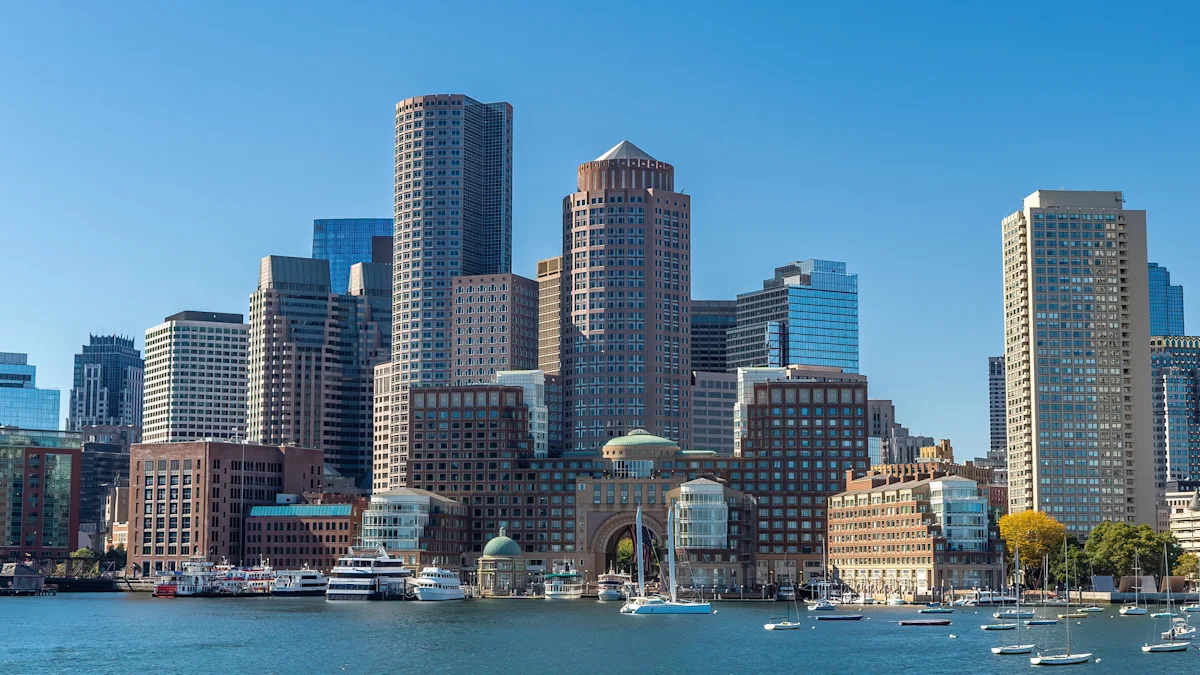
What is the best city in America to work in right now? It looks like you all say it is Boston. That takes the gold. Why Boston, Cory?
00:15 Cory
Yeah, overall Boston did really well across all the measures we looked at. and I think this gets to the heart of this whole research that we did. We didn’t want to look at it and just say, you know, subjectively that we thought that this was the certain case, right? We want to be very objective. So we took over 40 different data sets and we combine them including some data sets that are proprietary to indeed. And when we put all those things together, Boston just did pretty well across all of those different metrics. Not perfect. There were definitely some softer spots in the data, but ultimately, Boston was the one that took it, took home the crown.
01:03 Speaker A
In in terms of the methodology, Cory, I was just looking at this. It looks like, so job opportunity and compensation, they each get like a a 20% waiting. and then it looks like Cory, everything else gets 15%. So if you change those weights, would would the list would it look a lot different, Cory?
01:31 Cory
It actually doesn’t. This was something that we did. So we basically came up with this methodology based on economic theory, wanted something very rigorous and we actually locked the methodology in place from the very beginning. Then we ran the numbers, but to make sure things were robust, we actually ran the numbers again with slightly different weights. and what we found was that it didn’t move the rankings too much. And so the reason we waited those ones a little heavier is because everything else down the line in terms of what is it like? What’s the work life balance in that city? You know, what are the job mobility opportunities in that city? Don’t really matter all that much if you can’t find a job and find a job that pays enough in the first place. So we waited those 20% because getting a well-paying job was the first important thing. but everything else was weighted at 15%. So we had six pillars, 20% on the first two, 15% for the other four. And again, pretty robust, no matter what we did to those weights. And I think that really speaks to the rigor of this methodology that we use.
02:49 Speaker A
Another city that jumps right out, Cory, Burlington, Vermont, all right? It takes number three, takes the bronze ahead of San Jose, ahead of San Francisco. What is Burlington doing right?
03:10 Cory
Interestingly enough, it was actually on the job opportunity side of things. So that first 20% weighted pillar, we’ve seen that interestingly enough, some of the bigger cities that are a little more concentrated in tech work and white collar work have actually pulled back a little bit in the job opportunities, job postings in the last few years. And so, if we look at Burlington, it actually had a decent number of postings available for job seekers, but then we also found that the security within those jobs, the jobs being offered, the benefits as part of those jobs were also really strong. And so it was number one in job opportunity and number three in like job quality. So, even though some softer areas in the other pieces is the strength in those two pillars especially brought it home the bronze there at number three.