
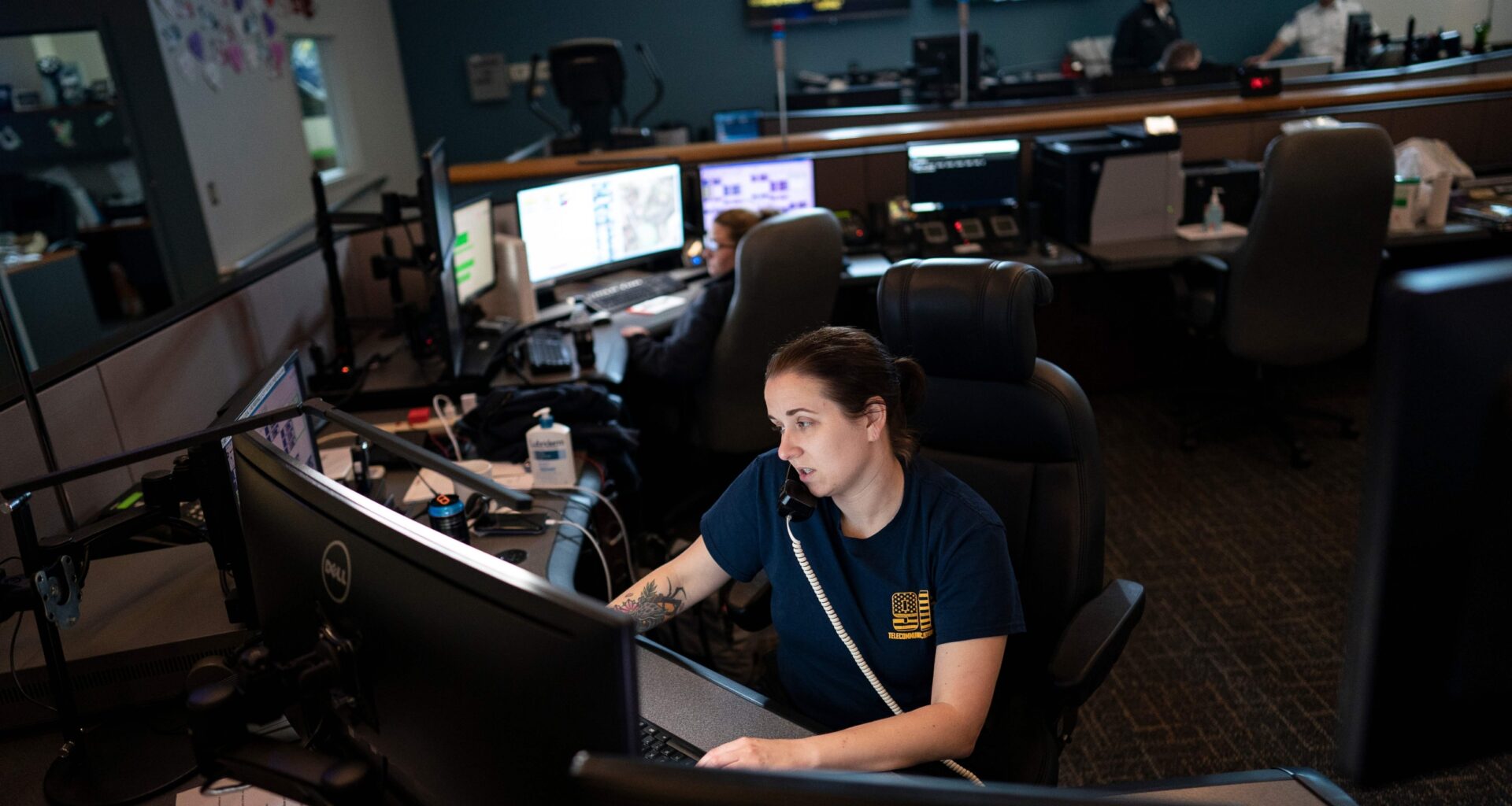
New York City has identified the cause of a seven-hour failure at its Bronx 911 call center as an early morning software update pushed by Motorola, a disclosure that came a week after the outage and only in response to reporters’ questions.
Mayor Zohran Mamdani said Monday that the update caused the malfunction and that the city is taking steps to prevent a recurrence, according to NBC New York. The failure ran from about 3:13 a.m. to shortly after 10 a.m. on August 18 at Public Safety Answering Center II in the Bronx, a facility overseen by the mayor’s office rather than the NYPD. During that window, callers and call takers could not hear one another. City Hall first confirmed the failure the next day, saying 5,659 calls came into the center and about 1,700 were affected, with up to 400 New Yorkers potentially unable to connect with a call taker at all after accounting for alarm systems and duplicate calls.
For households, the meaningful detail is not the vendor’s name. It is that a 911 system can fail partially, with the line appearing to connect while no one can hear anything, and that the city did not tell the public while it was happening.
A Partial Failure Is Harder to Recognize Than a Dead Line
The operational character of this outage is what makes it worth understanding.
The system did not go dark. Calls connected and dispatchers at the Bronx center heard silence. Many calls were rerouted to additional call centers and got through, and Deputy Mayor for Operations Julia Kerson said, “We believe the majority of them were able to call back” and connect, as PIX11 reported. Several hundred could not.
A caller experiencing a silent connection has no obvious signal that the system, rather than their phone, has failed. That ambiguity costs time, and in the emergencies where dispatch matters most, time is the variable with clinical weight.
The clinical stakes are specific rather than general. For out-of-hospital cardiac arrest, bystander CPR started before an ambulance arrives measurably improves survival, and dispatchers coach compression-only CPR by phone. For stroke, the dispatch call helps determine whether a patient is routed to a facility capable of advanced clot removal. For severe bleeding, dispatchers provide pressure and tourniquet instructions before EMS arrives. A silent line removes all of that, not just the ambulance request.
Nondisclosure Is the Accountability Question the City Has Not Answered
City officials did not issue a public alert during the outage. Public Advocate Jumaane Williams called for a full investigation, saying New Yorkers must be able to reach 911 in their most desperate hours, as News 12 reported.
The comparison point is instructive. During 911 outages in other jurisdictions, agencies have pushed emergency alerts to residents’ phones and published backup ten-digit numbers so people could still reach dispatch.
New York City did neither during the seven-hour window. The city has not explained the decision, has not said when officials understood the scope, and has not released a timeline of internal notifications. Whether a public alert would have reached the affected callers in the pre-dawn hours is genuinely uncertain, and it is a fair question rather than a settled criticism.
The account of the cause also shifted. In the days immediately after the failure, city sources described a scheduled system change set to take effect at 3 a.m. that instead blocked calls. Mamdani’s later statement attributed the failure specifically to the Motorola update. Kerson confirmed the city is investigating. Motorola had not responded publicly to requests for information at the time of the mayor’s remarks.
Households Can Prepare for a Dispatch Failure in About Ten Minutes
This is the part readers can act on, and it applies well beyond New York.
Every locality maintains a ten-digit non-emergency or backup dispatch number, and most people do not know theirs. Looking it up now, saving it in a phone contact, and writing it somewhere visible in the home for anyone who might need it is the single most useful preparation. During outages, agencies routinely direct people to those numbers.
Text-to-911 is available in much of the country and sometimes functions when voice paths fail, though coverage varies by jurisdiction and it should be verified rather than assumed. If a 911 call connects but no one responds, hang up and call again rather than staying on a silent line, since a repeat call may route to a different center.
Households should not bypass 911 by driving to a hospital or calling an ambulance company directly as a first resort. MedicalDaily reported this month on a malware incident that rerouted a California city’s 911 calls to county dispatch, and the guidance there holds here. Dispatch determines which unit responds and what responders know before arrival, and bypassing it generally slows care rather than speeding it. The exception is a documented, communicated outage, when following the agency’s published alternate instructions is correct.
Anyone in a household with a member who has a cardiac condition, seizure disorder, severe allergy, or high fall risk has more reason than most to complete this ten-minute exercise.
Several Facts About the Outage Have Not Been Released
The city has confirmed the duration, the call volumes, and the vendor cause. It has not been released whether any emergency response was delayed as a result, whether any patient harm occurred, how the roughly 400 unconnected callers were identified, or whether any were contacted afterward.
Also unresolved is what the software update changed, whether the same Motorola release was deployed in other jurisdictions, and whether the city’s contract includes testing requirements for vendor updates to emergency infrastructure. The city’s investigation has not published findings, and no completion date has been announced.
The confirmed facts are that a Bronx 911 center failed for about seven hours; roughly 1,700 of 5,659 calls were affected; up to 400 people may not have reached a call taker; the city attributes the failure to a vendor software update, and no public alert was issued at the time. The residents with the most at stake are those in households where minutes matter medically, and the reasonable step for them is to save a backup dispatch number rather than change how they use 911.
Key Questions Answered
What happened? A 911 call center in the Bronx malfunctioned for about seven hours. Callers and call takers could not hear each other. Roughly 1,700 of 5,659 calls were affected.
How many people could not get through? City Hall said up to 400 New Yorkers may have been unable to connect with a call taker after accounting for alarm systems and duplicate calls.
What caused it? Mayor Mamdani said an early morning software update pushed by Motorola caused the failure. The city’s investigation is ongoing.
Was the public notified during the outage? No. The city did not issue a public alert while the system was failing, and the public advocate has called for a full investigation.
Was anyone harmed? The city has not released information on whether any emergency response was delayed or any patient harm occurred.
What should households do to prepare? Look up and save the local ten-digit backup dispatch number, verify whether text-to-911 works in your area, and write the number somewhere visible at home.
If a 911 call connects but is silent, what then? Hang up and call again rather than staying on the line, as a repeat call may be routed to a different center. Do not drive to a hospital instead of calling unless an outage has been publicly confirmed and alternate instructions provided.