
Mayor Zohran Mamdani’s City Hall will re-establish its partnership with the New York City Bar Association over judicial nominations after former Mayor Eric Adams briefly ended the bar’s vetting input.
The Mamdani administration said it was proud to restore the relationship with the bar association’s Judiciary Committee through a new memorandum of understanding that formalizes a process for sharing resources with the Mayors’ Advisory Committee on the Judiciary (MACJ).
The end of that policy under Adams’ former MACJ chair marked an abrupt break in precedent. The plan to partner back up has been in the works since early this year. Ali Najmi, who chairs the mayoral panel responsible for evaluating and appointing judges to the city’s family and criminal courts and interim judges to civil courts, suggested to amNewYork Law in March that he was planning to restore the partnership with the over 20,000-member bar.
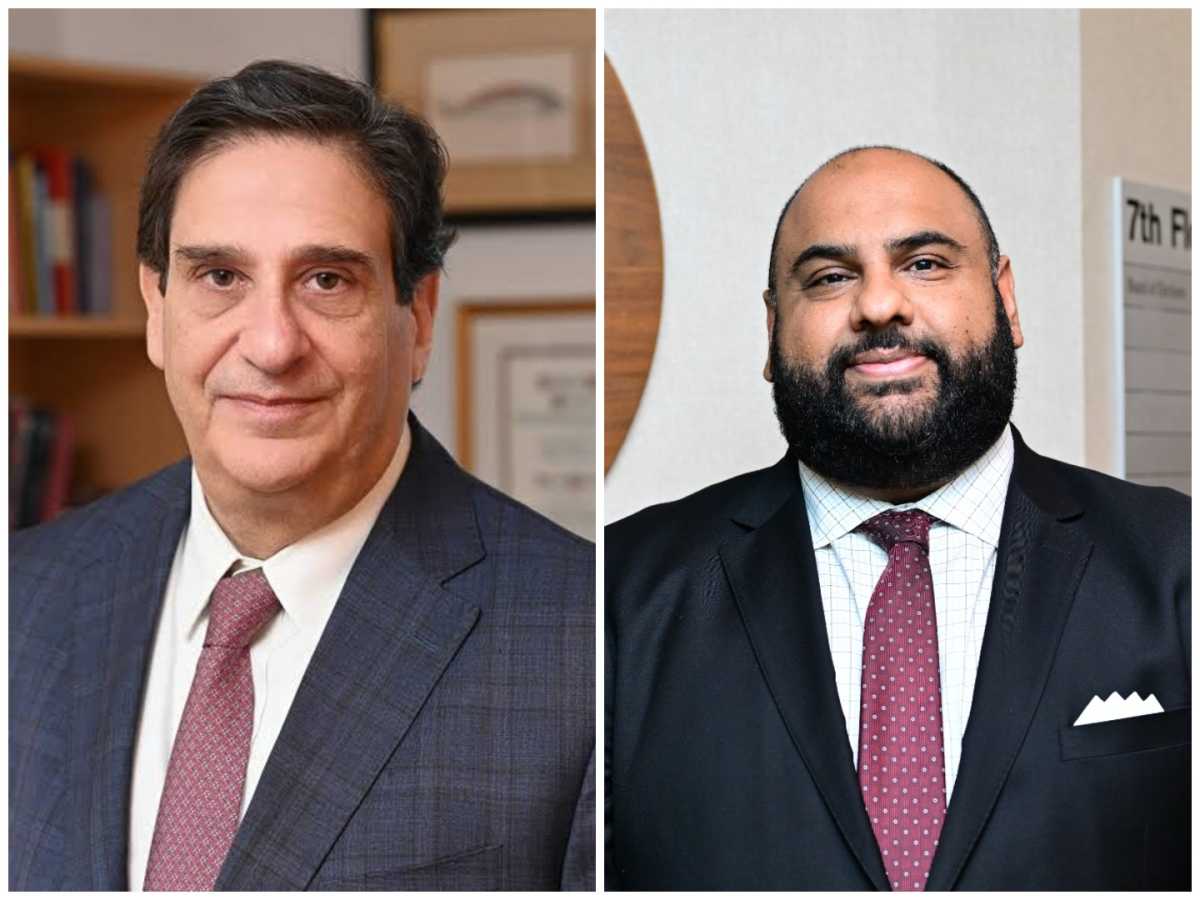
“By restoring and formalizing MACJ’s collaboration with the New York City Bar Association, the Mamdani Administration is bringing an independent and respected perspective back into the evaluation of judicial candidates, while preserving MACJ’s responsibility to exercise its own independent judgment,” Mamdani’s Chief Counsel Ramzi Kassem wrote about the move in a statement.
City Bar President Matthew Diller welcomed the restored partnership.
“The judges appointed by the Mayor will preside in courtrooms where issues critical to the lives of New Yorkers are decided every day, and the New York City Bar Association’s independent, rigorous and non-partisan review, which dates back a half century, helps ensure that the judges proposed by the Mayor’s Advisory Committee are qualified to administer justice in our city,” Diller said.
In the MOU, both organizations write that their mission is to promote “a fair, rigorous, confidential and efficient judicial screening process that promotes integrity and independence.”
The bar’s Judiciary Committee will undergo its own questionnaire, interviews and legal review to independently evaluate candidates that MACJ is considering. It will then provide its rating and evaluation and “supporting feedback” to MACJ to consider as they recommend candidates for the mayor to appoint to the bench.
In judicial elections, the city bar posts a similar list of its recommendations that is limited to whether the candidates has been “approved” or “not approved” without a full explanation of their evaluation out of what members of the committee say is a sense of confidentiality for the candidates.
In the agreement with MACJ, both the mayor’s and City Bar’s judicial panels say that they will keep the materials about judicial candidates that they share between themselves confidential.
The agreement does, however, allow the city bar to share information about who MACJ with the five borough-based bar associations for additional evaluation — one aspect of the arrangement that the Mamdani administration has in common with his predecessor. When Mayor Adams decided to cut off the partnership with the City Bar, his judiciary committee chair reportedly said that would be relying more on the county bar associations.
The gap under Adams was the only time that a mayor had forgone the City Bar’s recommendations, except for Mayor Rudy Giuliani, since the MACJ was established in 1978 under Mayor Ed Koch. Roughly a third of the judges on the city’s bench are appointed directly by the mayor.