
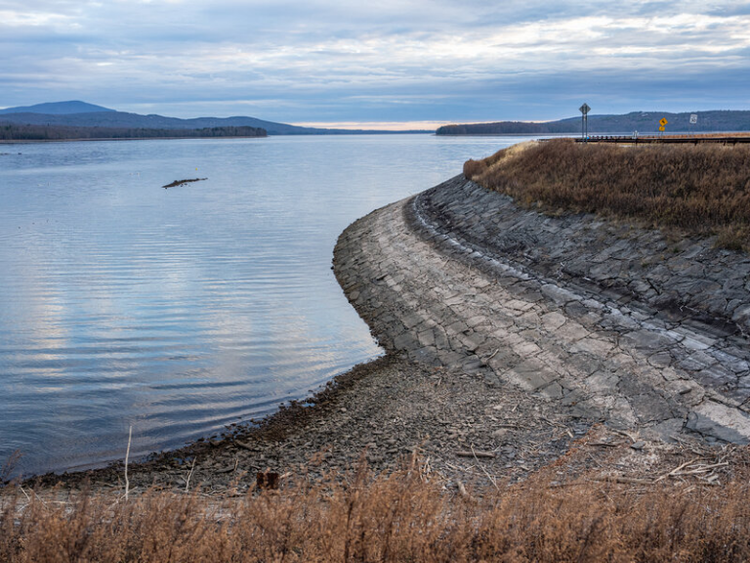
Growing up in California, water conservation was never something I thought much about because it was simply part of everyday life. We were taught to take short showers, turn off the faucet while brushing our teeth, and think twice before watering our lawns. Droughts are a frequent reality for millions of Californians, and water conservation is a foundational part of our education and behavior.
Moving to New York, where rainstorms are frequent and some parts of the state receive multiple feet of snow each winter, water scarcity can seem more like a distant concern. But abundant precipitation does not make New York immune to droughts. The state has historically experienced drought conditions every two to three years, affecting drinking-water supplies, agriculture, ecosystems, recreation, and communities that depend on private wells.
Climate change adds another challenge, with predictions of future droughts increasing, lasting from weeks to months. The rise in potential droughts paired with the growing population of the state does not bode well for New York’s future water resources. As winters become warmer, precipitation falls more frequently in the form of rain rather than snow, and snowpack can melt earlier in the year. This matters because gradual spring snowmelts are what helps replenish streams, soil, and reservoirs heading into the warmer months. New York City depends heavily on these snowmelts to replenish the reservoirs north and west of the city. Meanwhile, the private wells across the state, essential to supplying millions of rural residents, are vulnerable as groundwater levels fall.
Droughts can also affect more than the amount of water available. Lower water levels and warmer temperatures can worsen water-quality and stress aquatic ecosystems, with reservoir salinity levels having tripled in the past 30 years and algae blooms dominating lake systems.
Droughts have an economic impact as well. New York’s large agriculture industry faces reduced yields when rainfall is insufficient during the growing season, with many farms lacking irrigation systems. Recreation and tourism – from fishing, boating, and winter sports – also depend on reliable precipitation and healthy waterways.
New York is not California, Arizona, Utah, or Colorado, nor does it face precisely the same water challenges as the West. But those states demonstrate an important lesson: water conservation does not have to begin when a reservoir is already depleted. It can become part of everyday life, and many of the most useful changes are often the most simple.
Save Water at Home:
Take shorter showers. Limiting showers to eight minutes or less is one of the simplest ways to reduce household water use. Cutting just one minute from a shower can save roughly 2 gallons of freshwater. Installing water-efficient showerheads can reduce consumption even further. You can also place a bucket under the faucet while waiting for the shower to warm and reuse that water for houseplants.
Check for leaks. Faucets, toilets, showerheads and hoses can develop leaks that quietly waste water throughout the day. Check regularly for persistent drips and listen for toilets that continue running after being flushed. To test a toilet, place a few drops of food coloring in the tank; if the color appears in the bowl without flushing, there may be a leak that needs repair.
Make dishwashing more efficient. Skip the pre-rinse when using a dishwasher. Instead, just scrape the food scraps from plates before loading them and run the dishwasher only when it’s full. When washing dishes by hand, fill the sink or a basin with soapy water rather than leaving the faucet running while scrubbing.
Wash full loads of laundry. Waiting until you have a full load reduces the amount of water used per item of clothing; additionally, a full drum creates more friction, effectively cleaning the clothes better. When available, use your washing machine’s water-saving or eco settings to reduce water and energy consumption further.
Save Water Outdoors:
Water lawns and gardens strategically. Lawns generally need only about 1 to 1½ inches of water per week, including rainfall. Water early in the morning or later in the evening when temperatures are cooler to reduce evaporation, and always check the forecast before turning on sprinklers. Allowing grass to become slightly “thirsty” can also encourage deep root growth.
Collect and reuse rainwater. Instead of relying entirely on treated drinking water for landscaping, capture rainfall for later use. Rain barrels connected to gutter downspouts can collect substantial amounts of water for gardens and plants, while even a simple container can help on a smaller scale.
Skip the hose when water isn’t necessary. Sweep sidewalks, patios, and driveways with a broom rather than washing them down.
Protect the Water Supply
Follow New York’s annual Burn Ban. Avoid burning brush and debris during the summer months, and take precautions during dry conditions with cigarettes and recreational fires such as grills or campfires. Preventing wildfires protects communities while avoiding additional strain on water supplies already stressed by drought.
Do not open fire hydrants. Opening hydrants without authorization can waste large amounts of treated water and reduce the water pressure firefighters need during emergencies. During hot summer days, use designated cooling centers, pools, or authorized spray caps instead.
Most importantly, conservation works best when we think about water before there is a shortage. New York may be known for its lakes, rivers, and plentiful snow, but these resources are not limitless and a week of summer rain does not erase the long-term risks posed by droughts and a changing climate.
For me, the habits I learned growing up in California are a reminder that conserving water does not have to mean dramatically changing our lives. Often, it simply means paying attention to how we use it. By making smart choices now, New Yorkers can help protect the water resources our communities, farms, ecosystems, and economy depend on long before the next drought arrives.
——-
Cassandra Brown, is a summer intern at the New York League of Conservation Voters. She is a fourth-year student at Boston University studying International Relations and Environmental Analysis & Policy. To learn more about Cassandra, visit her LinkedIn page located here
Sources:
https://www.drought.gov/states/new-york
https://www.drought.gov/about/drought-early-warning
https://dec.ny.gov/environmental-protection/water/water-quantity/drought/current-drought-conditions
https://portal.311.nyc.gov/article/?kanumber=KA-03660
https://waterdiscoverycenter.org/wp-content/uploads/2024/10/3-DOH-ARKVILLE_v2.pptx.pdf
https://www.sciencedirect.com/science/article/abs/pii/S0012825214002086
https://www.nyc.gov/site/dep/water/water-saving-tips.page
https://longisland.news12.com/suffolk-county-water-authority-urges-water-conservation-amid-drought