
New York City is full of secret spots, but this one might just be our favorite ecological comeback story.
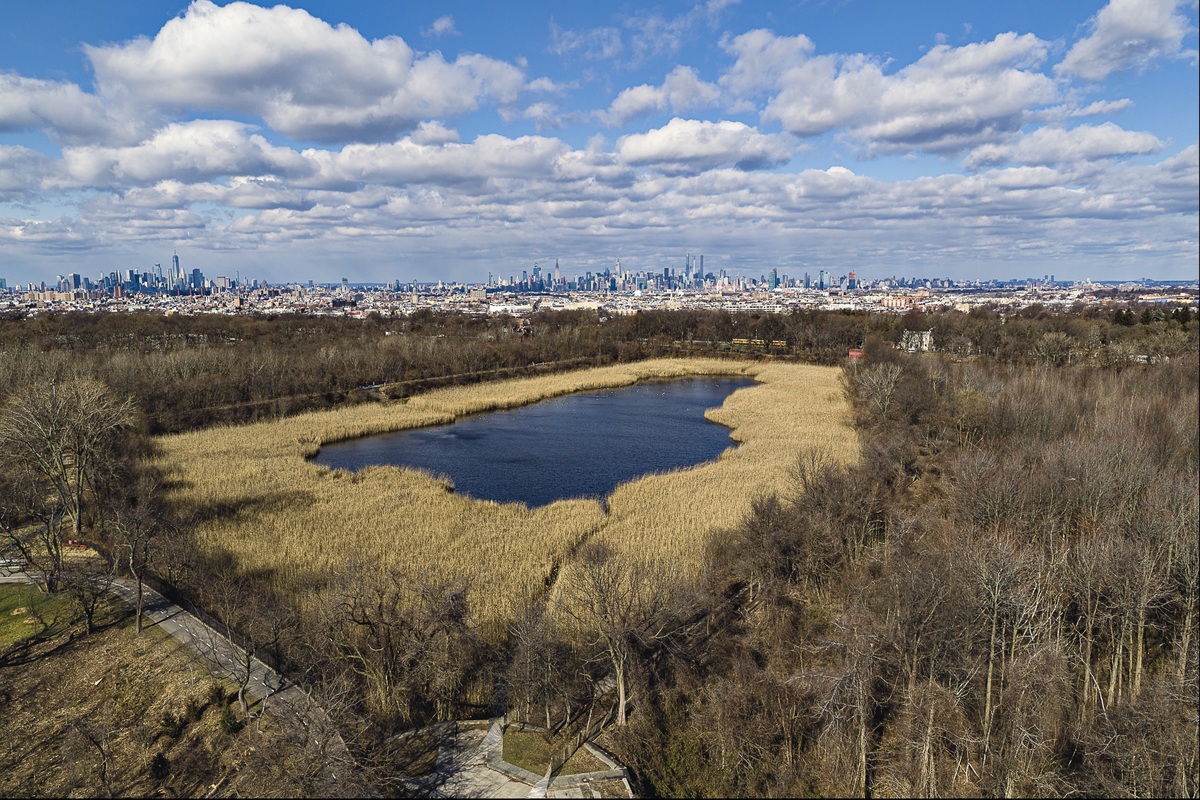
Tucked away in Highland Park on the border of Brooklyn and Queens, the Ridgewood Reservoir is getting a major, well-deserved glow-up.
From drinking water to a lush wetland
Originally built in the mid-19th century to supply a rapidly growing Brooklyn with drinking water, the reservoir was eventually decommissioned and fully drained by 1989.
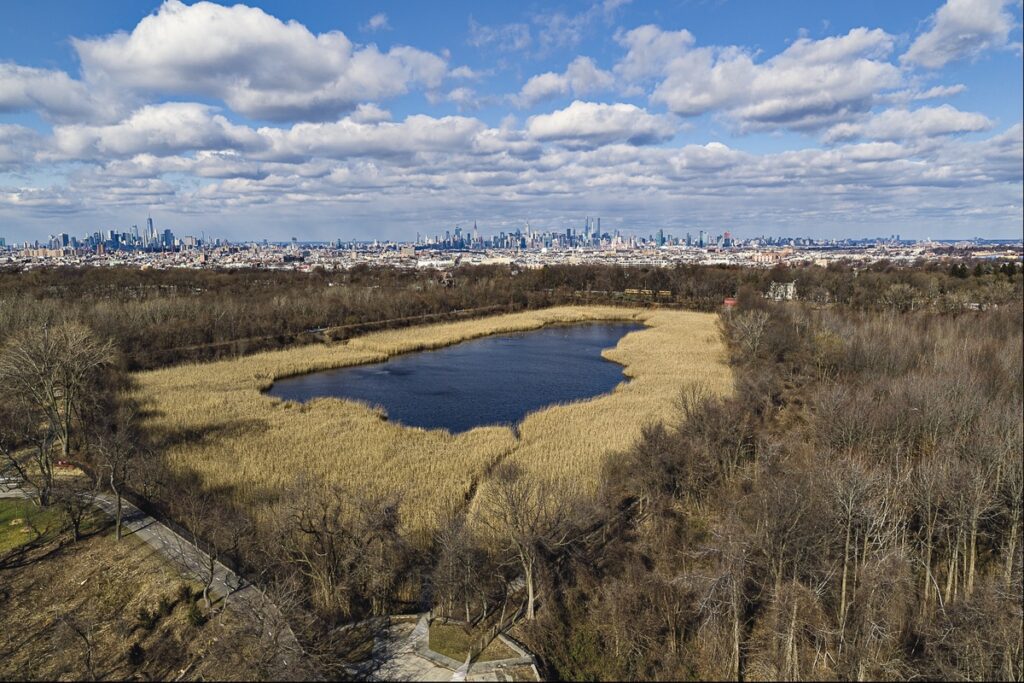
Left untouched, the 50-acre space naturally transformed into a thriving freshwater wetland.
Today, it is a protected Class I freshwater wetland on the National Register of Historic Places. The sprawling ecosystem is incredibly diverse, serving as home to 156 bird species and 175 plant species.
A massive win for green infrastructure
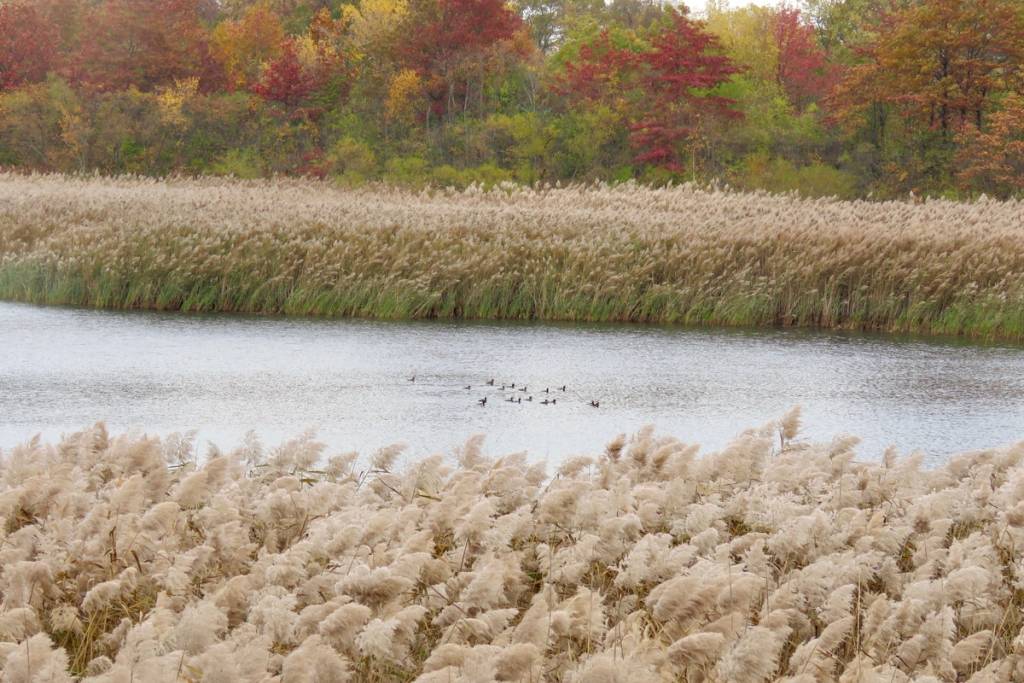
Over the summer, a dedicated group of restoration workers and interns with NYC H2O waded into the secluded basins to remove 15,000 cubic feet of invasive phragmites (a tall grass that chokes out native plants).
This tedious work does more than just make the park look pretty. Healthy wetlands act as a natural sponge for the city.
This incredible piece of green infrastructure helps absorb intense rainfall and prevents flooding in downhill neighborhoods like Cypress Hills and East New York.
Native wildlife is officially thriving
Thanks to this ongoing preservation, native wildlife is making a huge comeback. Workers have recently spotted fascinating creatures in the basin, from giant snapping turtles to bryozoans—a gelatinous invertebrate that serves as a major sign of a healthy, thriving ecosystem.
It also remains a crucial, peaceful stop on the Atlantic Flyway for migrating birds, including threatened species like the short-eared owl.
 Source / NYC H2O
What is next for the reservoir?
While the main water basin currently remains off-limits to the public to protect the environment, the parks department has big dreams for its future.
Officials hope to eventually build access paths, boardwalks, and offer guided kayak tours on the water.
For now, you can still enjoy the stunning nature by taking a walk or ride along the bicycling trail that wraps around the perimeter.