
As the AI boom continues and new data center projects are proposed, there has been a strong negative reaction against further development of these projects.
While many states have proposed a variety of data center moratoria, New York is the first state to enact one.
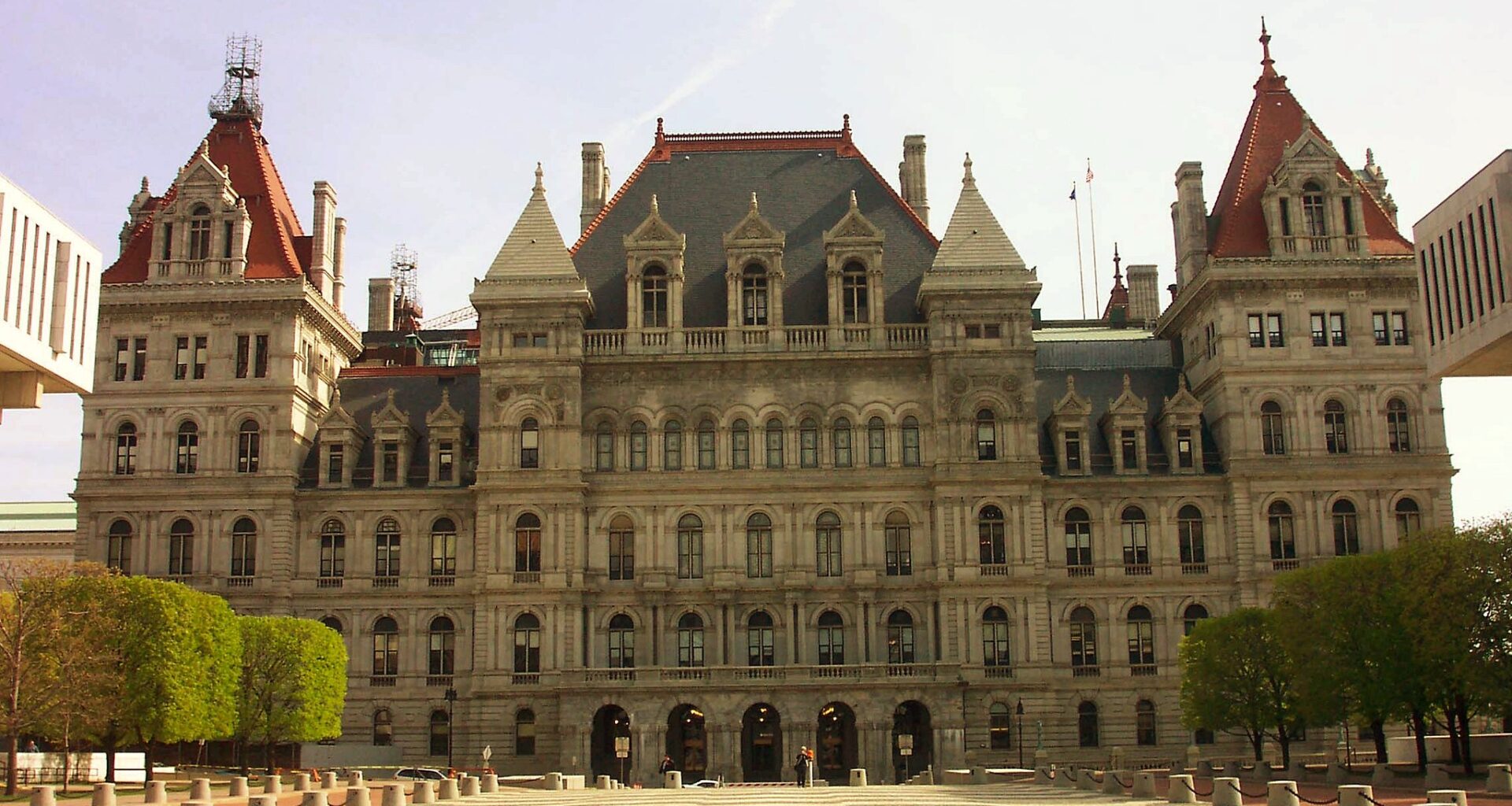
On July 14th, New York Governor Kathy Hochul signed an Executive Order establishing an up to one year moratorium on environmental permits for data centers that use 50 megawatts of electricity or more. While the ban remains in place officials will develop a new permitting framework to cover data center development.
The state legislature has passed a bill with a similar moratorium that would ban new permits for data centers for one year and which requires the establishment of new rate and water classes for data centers over 20 megawatts. It has not yet been sent to the governor’s desk.
New York is one of at least 15 states to introduce legislation to establish data center moratoria. All of these moratorium proposals are shortsighted policies that would deprive their states of the economic opportunity that accompanies data center development
It’s unsurprising that the first moratorium to be enacted comes from New York. The state has had a consistently anti-energy, anti-development outlook for decades. Since 2014, New York has banned hydraulic fracturing despite bountiful natural gas resources in its Marcellus Shale deposits. Meanwhile, neighboring Pennsylvania has not made such an unwise decision and has benefited immensely from these deposits. New York has also been reticent to allow new pipeline and energy infrastructure, and has closed numerous reliable power plants, most notably the two nuclear reactors that were shut down at the Indian Point Energy Center in 2020 and 2021 for political reasons.
Now, a state that has both closed reliable power plants and failed to build sufficient new ones is pausing development rather than serving new customers on the power grid.
Much of the backlash to data center development in New York and elsewhere has focused on water and power usage. This is despite data center water consumption being a small fraction of that of many other businesses, like golf courses, and orders of magnitude smaller than business activities such as almond farming.
The power demand of data centers is growing, but much of the power price rise of recent years has been misattributed to data centers when things like electrification, which includes the push toward more renewables on the power grid, and rising transmission costs have all been major drivers thus far. According to an Institute for Energy Research study, states with more data center penetration often have had lower power prices and slower increases in such prices than the states where data centers are not being built.
Moral panics like the one surrounding data centers are often driven by fear of scarcity and by resource consumption. But consuming resources isn’t inherently negative, nearly all productive activity requires the consumption of one resource or another.
Data center development will bring jobs, economic activity, and an increased property tax base to the communities where it occurs. New York is closing itself off to those benefits in a manner that is reminiscent of the fracking boom, when money and jobs were flowing into Pennsylvania while New York had closed itself off to gas development.
The state is getting it wrong again, and in much the same way.
This choice to close the state off to development is short-sighted and places an unreasonable restrictions on what business can be conducted in the state. Governments should not be in the business of determining which power customers are justified in their electricity consumption and which are not.