
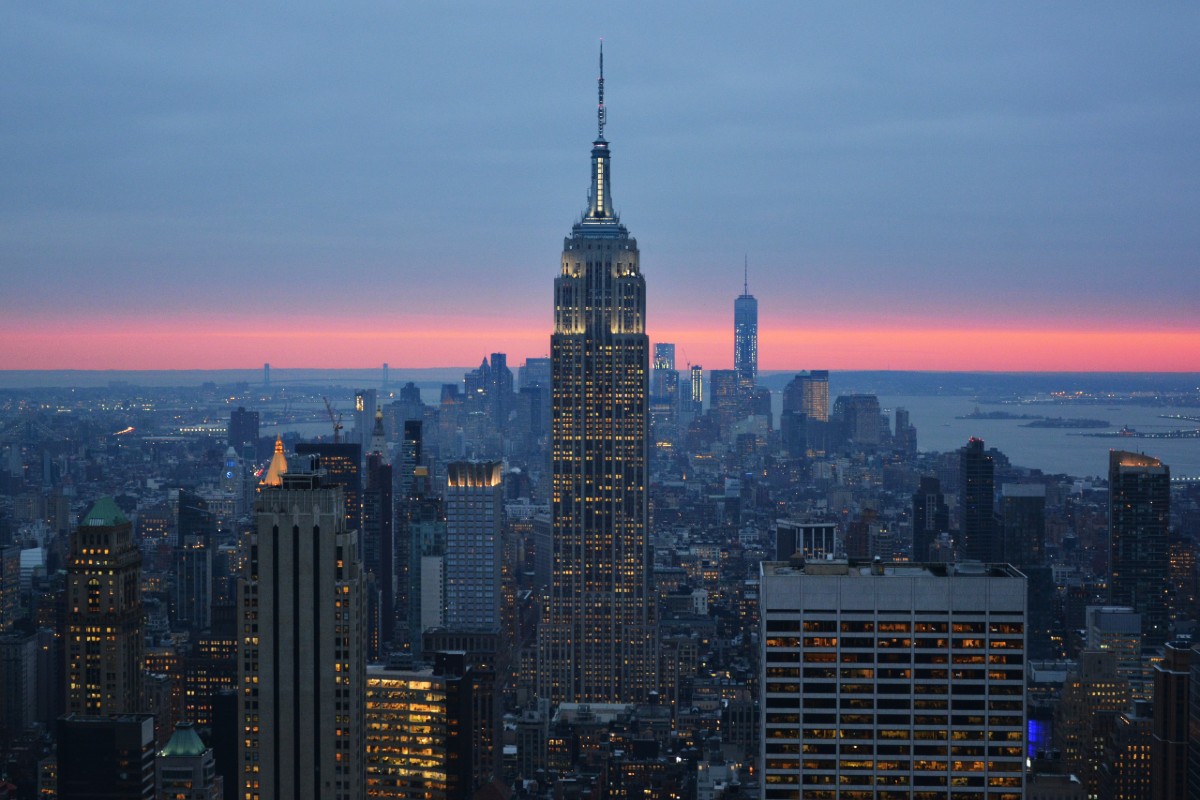
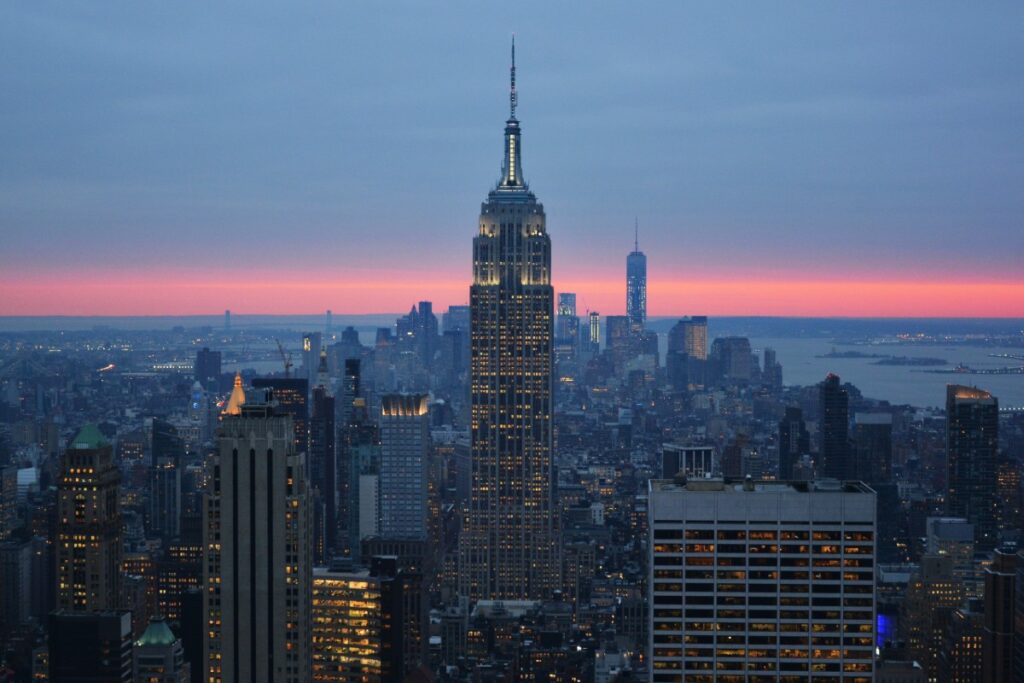
Ride the elevator to the 86th floor of the Empire State Building, and you step onto the same open-air observation deck that welcomed visitors in 1931, the year the building opened. The railings, the wraparound layout and the open-to-the-sky design have remained remarkably intact. The biggest practical upgrade came in 2020, when the building finally installed heaters so winter visitors didn’t have to sacrifice their fingers for the view.
That makes it, by most accounts, the oldest observation deck still operating in New York City. While Manhattan has added several newer places to take in the skyline, the Empire State Building’s 86th floor has largely resisted the kind of overhaul that turned other observatories into immersive attractions.
The deck itself has barely changed since 1931
At 1,050 feet above the street, the 86th-floor observatory lets you get perfect views from Central Park stretching north, the Brooklyn Bridge to the southeast, and, on a clear day, the Statue of Liberty in the harbor. The observatory says visibility can reach up to 80 miles on exceptionally clear days, extending beyond New Jersey and into Connecticut.
The deck is open 365 days a year, including through snow and summer heat. If conditions become particularly unpleasant, visitors can retreat to the enclosed 102nd-floor observatory above it, but the outdoor deck itself was designed to withstand the elements. It is also the same observation deck that welcomed visitors when the Empire State Building became the world’s tallest building, a title it held from 1931 until 1971.
Empire State Building General Admission: Main Deck
When the building’s owners eventually modernized the visitor experience, they chose not to rebuild the historic deck. Instead, in 2019, they added a new 10,000-square-foot museum on the second floor, where visitors can learn about the building’s construction and history before heading upstairs.
General admission includes access to the 86th floor, while the 102nd floor is available as a separate add-on for anyone who wants to go higher. Together, the 86th- and 102nd-floor observatories were already attracting roughly four million visitors a year by 2010.
Yet the crowds never prompted the kind of transformation seen at newer observation decks. Aside from practical improvements such as the heaters, the experience remains remarkably close to what visitors would have encountered generations ago.
Every newer deck in the city chose a different approach
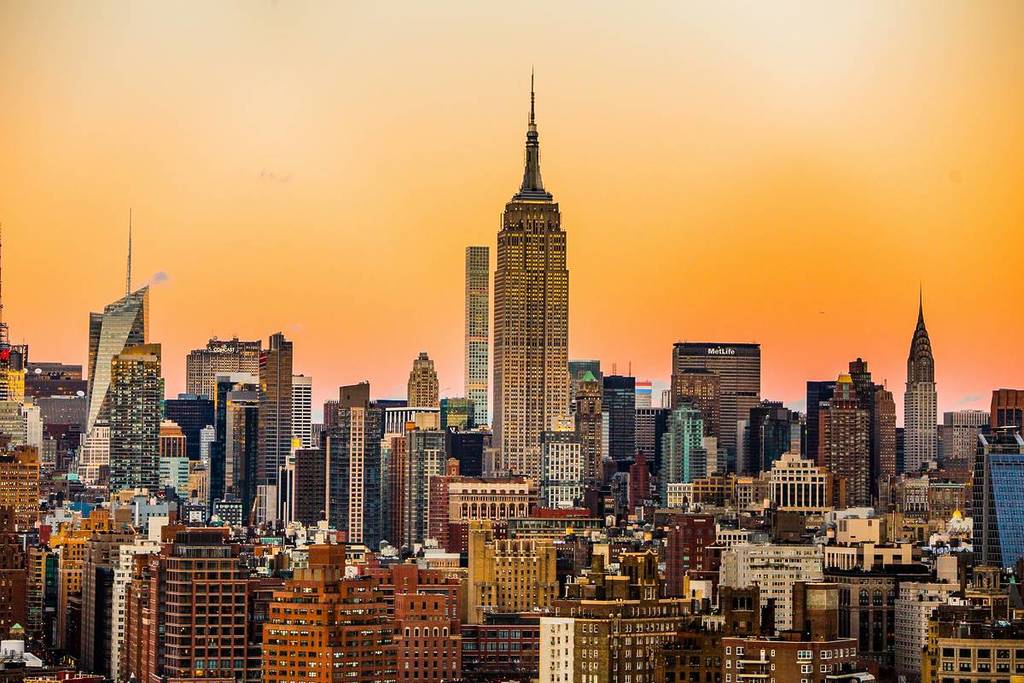 Photo: Michael Discenza, Unsplash
Top of the Rock opened just two years after the Empire State Building, in 1933, but its history has been less continuous. It closed in 1986 and didn’t reopen until November 1, 2005, after a major reconstruction. One World Observatory followed in 2015 as a fully enclosed experience, with video walls and a themed elevator ride instead of an outdoor viewing area.
Then came Edge at Hudson Yards, which opened on March 11, 2020. At 1,131 feet, it bills itself as the Western Hemisphere’s highest outdoor sky deck and features a glass floor that projects out from the building, letting visitors look straight down at the streets below. Summit One Vanderbilt opened in 2021 and took the concept even further, filling its interior with mirrored rooms and immersive art installations.
Each offers its own take on the New York skyline, but the Empire State does something different: it still lets visitors experience an observation deck rooted in 1931. There’s no glass floor or mirrored maze, just an open-air perch above Manhattan that has changed remarkably little in nearly a century.
Once a year, runners get an even more old-school experience, racing up all 1,576 stairs to the 86th floor in a tradition that began in 1978. The 102nd floor sits another 284 steps higher, although by then, the elevator starts looking like a very good invention.