
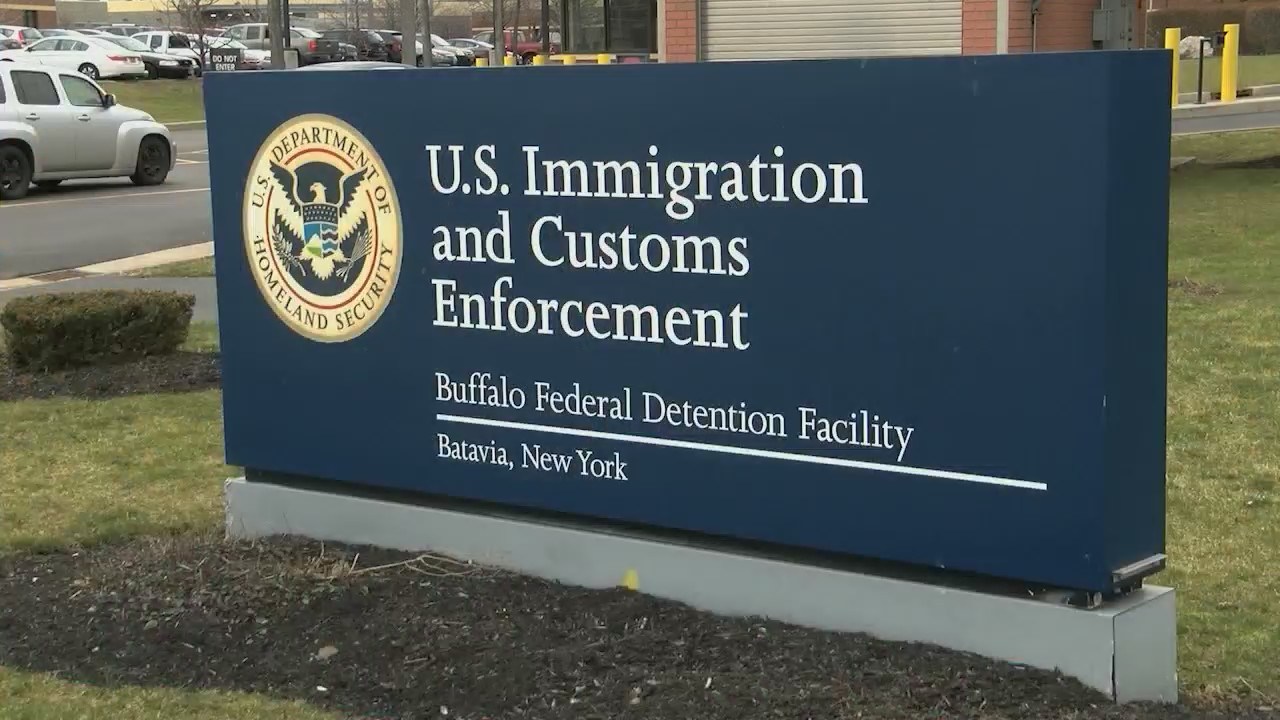
NEW YORK (PIX11) — A new federal immigration policy set to take effect this month could affect hundreds of thousands of immigrants each year by giving immigration officers more factors to consider when deciding whether certain visa applicants could become a “public charge.”
The new rule, announced by U.S. Citizenship and Immigration Services in August, is scheduled to take effect September 18.
Discover more local reporting on our homepage
Under the policy, immigration officers can consider a person’s age, health, family status, financial resources, education, and skills when determining whether they are likely to become dependent on government assistance.
The changes are causing concern among some immigrant New Yorkers, including people who are already living legally in the United States. “Honestly, I think it’s very concerning,” one legal permanent resident and immigrant mother told PIX11. She asked that her face not be shown because of concerns about her immigration case. “I don’t understand how someone is supposed to be able to work enough that they can support a household, pay rent, the immigration process, and on top of that, pay for very, very expensive health care”, she said.
Who could be affected?
According to USCIS, the new policy applies to more than 20 categories of visa applicants. Those include:
Spouses of U.S. citizens
Fiancés of U.S. citizens
Children of U.S. citizens
Parents of U.S. citizens
Investors
Religious workers
Members of the U.S. military
The policy is part of the federal government’s effort to determine whether certain immigrants are likely to become dependent on public assistance. USCIS says the goal is to ensure immigrants are “self-sufficient and not dependent on taxpayer-funded government benefits.”
One of the biggest concerns surrounding the new policy is how an applicant’s use of certain public benefits could factor into the decision. That’s because benefits such as SNAP and Medicaid could be considered as part of the overall public charge determination.
Make PIX11 your preferred news source on Google: Here’s how
Faiza Ali with the New York City Mayor’s Office of Immigrant Affairs said the city does not want families to stop accessing essential services because of confusion or fear. “What we don’t want is families to go hungry. We don’t want families to skip health care,” Ali said.
The city is preparing to provide information and outreach to immigrant communities as the policy takes effect. Ali said the city plans to canvass immigrant-dense neighborhoods, work with community organizations and train city outreach workers to help residents understand what the changes mean. “It’s really important that we are bringing information into the communities,” Ali said.
What happens if someone is considered a public charge?
If an immigration officer determines that an applicant is likely to become a public charge, the person could potentially be required to post a bond with the federal government.
The amount of the bond would be based, in part, on the amount of assistance the government determines the person could potentially receive over the next five years.
The policy does not mean every immigrant who receives public benefits will automatically be denied a visa or immigration benefit. Immigration officers are expected to consider the applicant’s overall circumstances.
New Yorkers with questions about how the policy could affect their individual immigration situation can contact the city’s legal support hotline at 800-354-0365.