
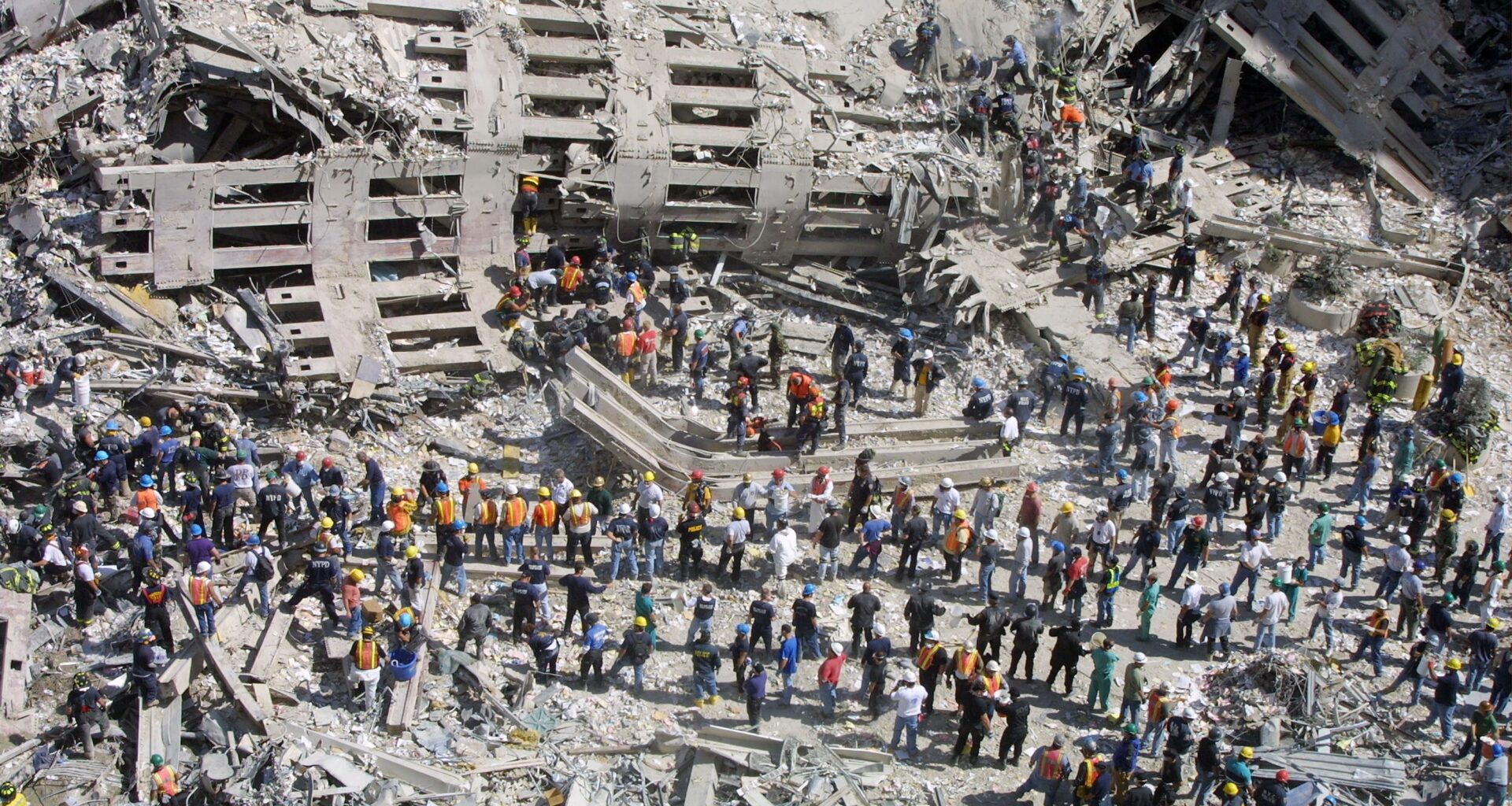
Twelve weeks after the attacks of Sept. 11, representatives from unions across the country convened to memorialize 631 union members then known to have died at the World Trade Center, in Pennsylvania, and at the Pentagon. They were firefighters, police officers, hotel and restaurant workers, electricians, carpenters, public employees, teachers, flight crews and others. The losses were extraordinary, but so was the response.
While Sept. 11 was one of our city’s darkest days, we should also remember what happened next. On Sept. 12, New Yorkers started the long, hard work of lifting each other up and getting our city back on its feet. That period in our city’s history powerfully demonstrated the resilience of the workers who make NYC what it is.
At that December 2001 convening, one rescue worker said that while individuals can do heroic things, what New York saw after 9/11 was only possible because people came together for a common goal. That’s what solidarity looks like at its best.
This Labor Day, we recognize that the need for solidarity remains. We depend on the working people of New York City’s labor movement both in times of crisis and in our everyday lives. Unfortunately, many, specifically our dedicated federal civil servants, have been undermined, laid off, pushed out.
There are more than 40,000 federal workers in NYC; they are our friends, family and neighbors who provide vital public services. When we lose experienced scientists, engineers, healthcare professionals, inspectors and emergency personnel, we lose training, expertise and capacity that cannot be recreated when the next crisis arrives.
When we eliminate programs and cut the jobs of dedicated civil servants who support our veterans or administer Social Security benefits, we are deliberately choosing to make a dignified life harder and further out of reach for so many.
Since 2025, those workers have faced an extraordinary attack on their jobs and the services they provide. Nearly one million federal workers have been targeted for the loss of collective bargaining rights and AFGE alone has lost roughly 100,000 members since President Trump returned to office.
The Transportation Security Administration, created in direct response to Sept. 11, was among the first agencies targeted. After 25 years protecting the flying public, the Trump administration moved to strip TSA officers of their collective bargaining rights. The union fought back in federal court and saved their contract, but thousands of career public servants have been forced out of federal service.
This isn’t just a side effect of policy changes; senior administration officials have spoken openly about wanting federal workers to feel their traumatic and disruptive effects.
Twelve weeks after Sept. 11, the labor movement called for a “living memorial” to the workers we lost, going beyond speeches and praise by standing up for working people. Twenty-five years later, that living memorial is still ours to build. We should protect the workers we will depend on when the next emergency comes, including their right to organize, bargain collectively, and have a voice in decisions that affect their work and those they serve.
AFGE and the unions of the New York City Central Labor Council know what workers contribute in moments of crisis and every day, and we will keep fighting to ensure that work is valued.
9/11 and the days that followed were devastating, but New Yorkers showed up for one another. This Labor Day, as we remember those we lost on Sept. 11, let’s also remember Sept. 12, and carry that solidarity forward in how we value and protect the working people who serve our city and country.
Griffith is president of the New York City Central Labor Council, AFL-CIO. Gonzalez is the District 2 national vice president for the American Federation of Government Employees.