
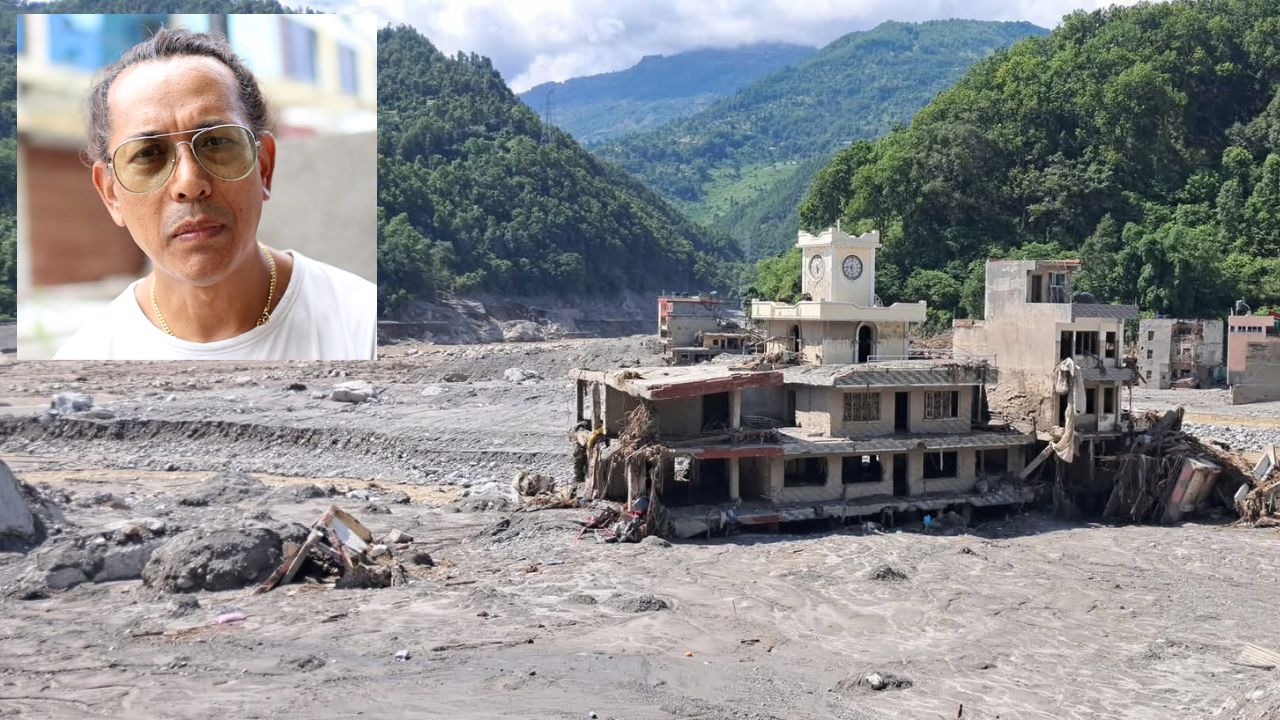
Yogesh “Aadi” Dangol, a 48-year-old resident of Queens Village, New York, had returned to his birthplace in Betrawati, Nepal, for the first time in years.
He was there on Aug. 26 when a devastating flash flood swept through the town, killing more than 1,350 people and leaving nearly 4,000 others missing, according to figures cited by Dangol.
For Dangol, the day began like any other. Within moments, however, the village where he grew up — including relatives’ homes and the house where he spent his childhood — was engulfed by floodwaters.
“When the flash flood struck, I was there. I witnessed it firsthand,” Dangol said.
There was little time to organize a rescue in Betrawati Bazaar. People tried to help one another, but the flood moved so quickly that many were forced to focus on saving themselves.
“It’s not that someone saved someone else,” Dangol said. “No one could save anyone. Everyone was forced to save themselves in their own way. Those who could not be rescued were swept away.”
Dangol said about 150 people died in Betrawati Bazaar alone. He said 57 members of the Dangol family were killed. Many members of the Thapa, Lamichhane, Poudel and Tamang families were also swept away.
“People from different castes and linguistic communities lived together in the same community,” he said. “Everyone in that community was affected.”
Some people escaped to safety. Others were separated from their families and relatives. As families searched for missing loved ones, Dangol said, many learned that two to four members of a single family had died.
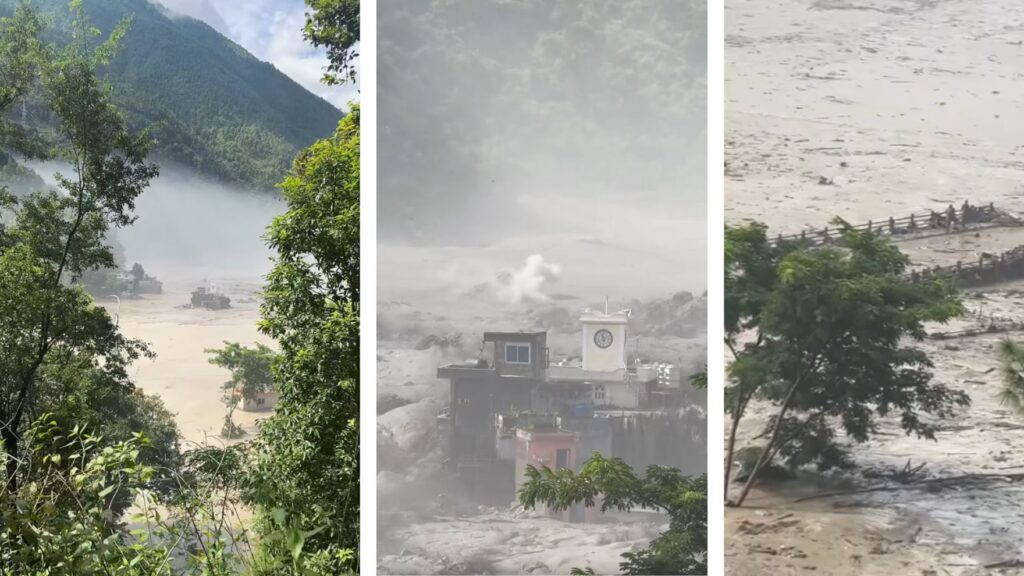 A screenshot from videos recorded by Yogesh “Aadi” Dangol as the flood swept through Betrawati.
A Father Leads His Mother to Safety
During the chaos, Dangol recorded video of his father leading his mother toward safety.
“My father was guiding my mother,” he said. “It was a moment when they survived by a very narrow margin. In the video, you can see my father pulling my mother along.”
His mother survived, covered in mud. Many other members of the family did not.
“My mother survived, even though she was covered in mud,” he said. “But sadly, many of my relatives were swept away by the flood.”
Dangol said he first made sure his father, mother and sons were safe before recording several short videos of the disaster.
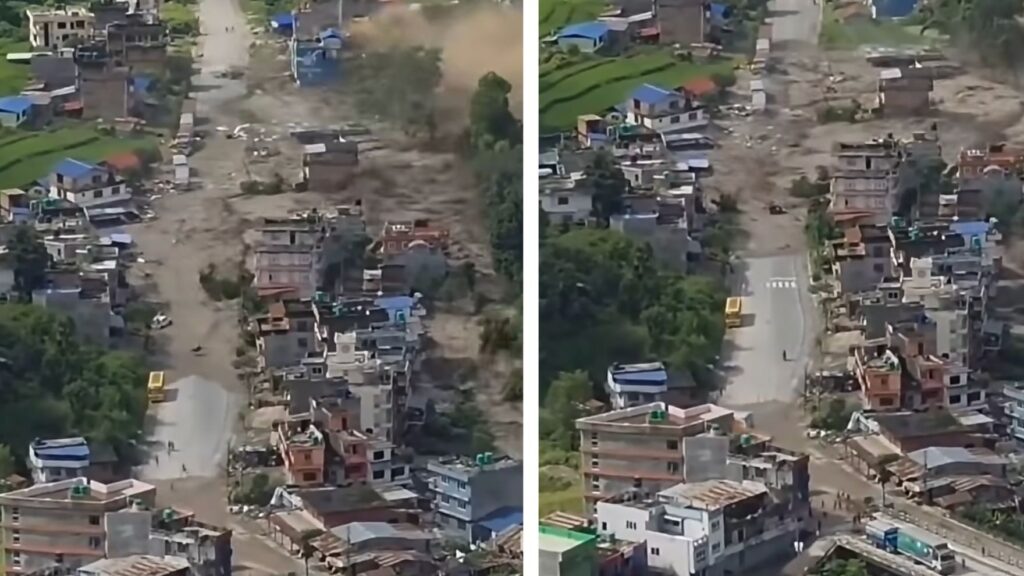 A video captured the moment Dangol’s father led his mother to safety amid the terror of the flood. Photo source: Yogesh “Aadi” Dangol
A Warning That Sounded Like Any Other
Flooding was not unfamiliar to residents who grew up along the river. In the past, water levels had risen, and many residents viewed warnings from local authorities as routine.
“We had experienced this kind of flooding before,” Dangol said. “When the water level rose, we called it a flood. For people who grew up near the river, flooding seemed like a normal thing.”
But this flood was different. Dangol described it as a sudden surge that arrived with extreme force.
“A flash flood comes with the speed of a bullet,” he said. “It does not rise gradually. It strikes as it comes. It was not expected. It was unpredictable.”
Local authorities had issued warnings, and announcements had been made through loudspeakers. But many residents did not understand that the warning meant they needed to flee immediately.
“We had received information. The authorities had warned us, and announcements had been made,” Dangol said. “But to someone who grew up near the river, hearing that a flood is coming sounds normal. We did not understand the seriousness of it.”
The Trishuli River lay below the town, and residents believed they would have enough time to reach higher ground before the water reached the bridge.
“We thought the river was about 75 to 80 meters below us,” Dangol said. “We thought we would have time to get to a safe place before the water reached the bridge. But the flood did not give us the time we expected.”
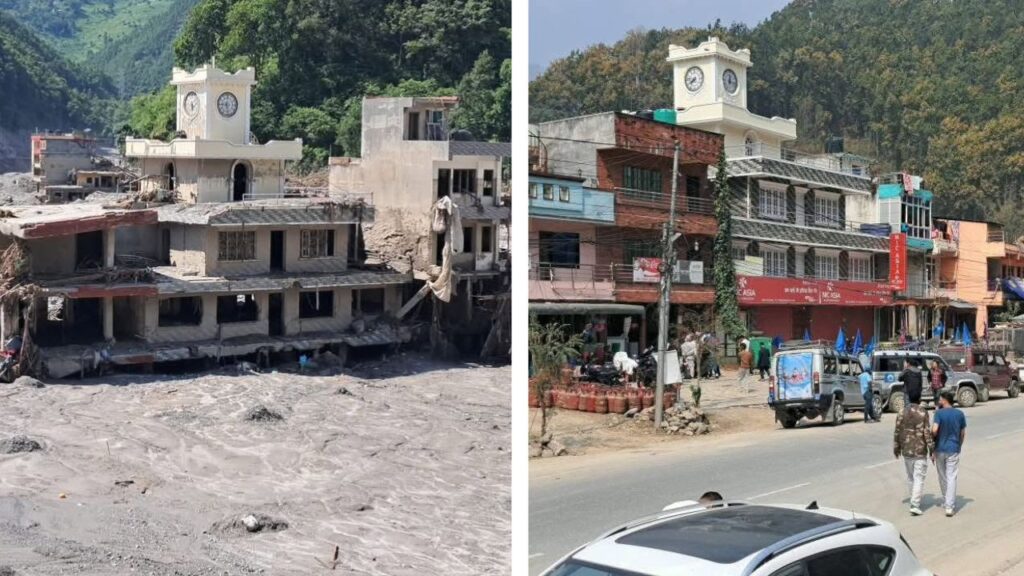 Views of Yogesh “Aadi” Dangol’s home before and after the flood. Photo source: Yogesh “Aadi” Dangol
Terror on the Bridge
Dangol was on the bridge when the flood hit. Unsure whether to flee toward Rasuwa or Nuwakot, he ran toward Rasuwa.
Vans, trucks, jeeps and motorcycles were on the bridge. Within moments, panic erupted.
“People were terrified. They began shouting. Those on the bridge started running,” he said.
As he climbed toward Rasuwa, Dangol looked back. Chaos had already engulfed Betrawati.
“Within two minutes, the river struck the walls and began changing its course,” he said. “My own legs were shaking. People were crying everywhere.”
He did not record video immediately. First, he confirmed that his father and sons were safe. Only then did he record a few brief scenes.
“People were shouting, ‘Save us,’” he said. “Some injured people were coming out. Some had twisted their ankles while running. The scenes were horrific.”
The flood swept away people standing on the bridge. It lifted vehicles and slammed them into houses. Homes were carried away by the water.
“I saw vehicles being carried three or four stories high and slammed into houses,” Dangol said. “The water lifted houses and carried them away.”
The most painful sight was his childhood home.
“The house where I grew up was right in front of my eyes, being struck by the waves,” Dangol said. “It looked as if the waves were rising four stories above my house. I could only watch and cry.”
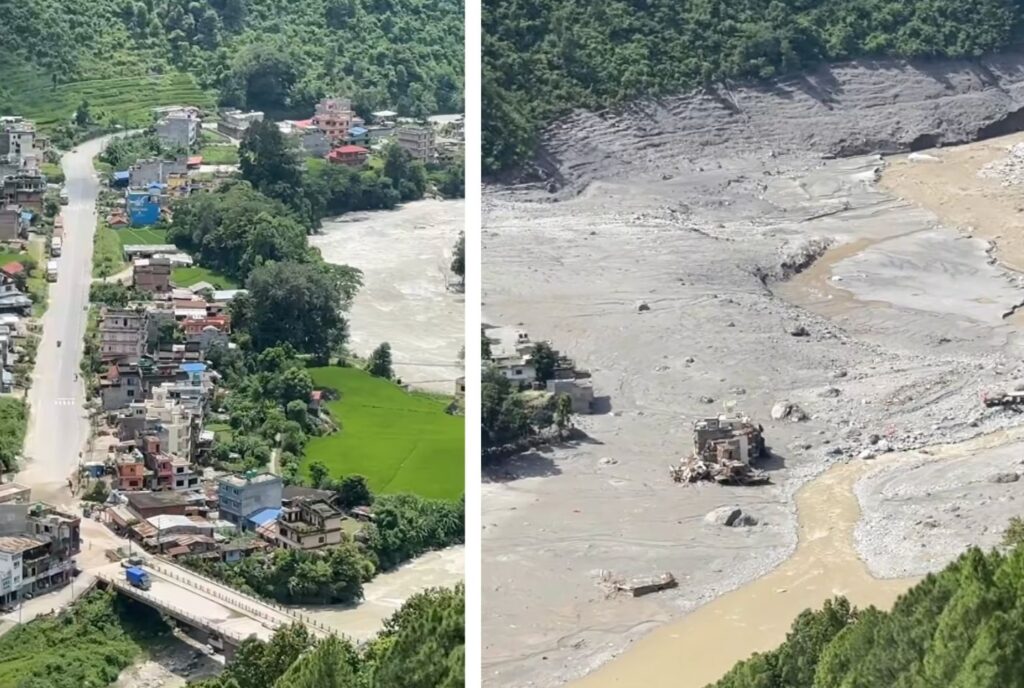 Views of Betrawati before and after the flood. Photo source: Yogesh “Aadi” Dangol
What Caused the Disaster?
Dangol said it was too early to draw conclusions about what caused the disaster. He pointed to possible effects of climate change, melting glaciers, changes in the Himalayan landscape and glacial lake outburst floods.
“Global warming may have had some effect. Glaciers continue to melt,” he said. “But we should not explain an event like this by blaming global warming alone.”
He said changes in the Himalayan landscape caused by the collision of the Indian and Eurasian tectonic plates could also have played a role. Any such conclusions, he said, should be based on scientific research.
Various conspiracy theories circulated on social media and in the local community after the flood, but Dangol said there was no evidence to support them.
“Some people say there was an explosion or that a project caused this,” he said. “But we do not have evidence of that right now. We cannot make such claims without evidence.”
Dangol said the effects of hydropower projects and road construction also deserved serious study. He raised concerns about erosion and sediment deposited in the river.
“Many hydropower projects have been built,” he said. “The sediment removed during tunnel construction was dumped into the river. Even in winter, the river was muddy, and its level had already risen by about three meters.”
He said tree removal and erosion caused by road construction in higher areas, along with blasting, might also have affected the environment.
“Small impacts from different sources may have combined to produce this result,” Dangol said. “Hydropower projects and construction agencies also must bear some responsibility.”
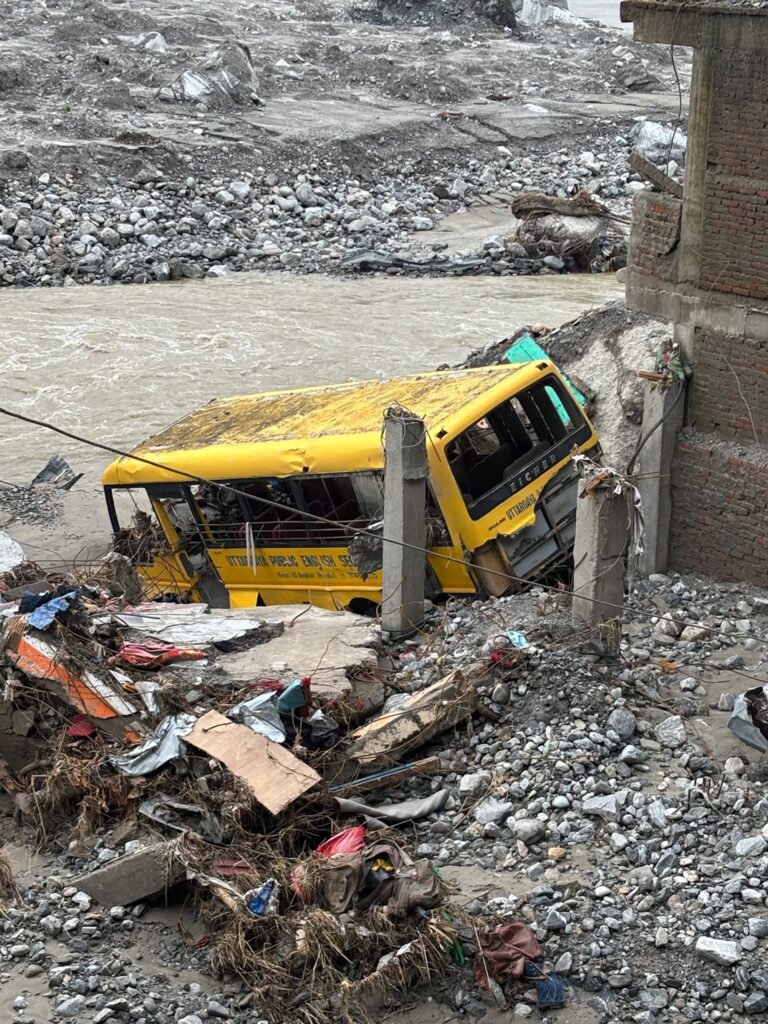 Betrawati, 10 days after the disaster. Most houses had been swept away, and some structures had disappeared completely. Photo: Danda Gurung.
After the Water Receded
Relief supplies reached the affected area, but basic needs remained unmet, Dangol said.
“I was there for two days, and I saw relief arriving,” he said. “But there is still a shortage of cooking gas. Mobile toilets are needed.”
Affected families need more than immediate relief, he said. They also need safe housing, health care, mental health care and social support. Many residents remain traumatized, making long-term plans for resettlement and safety essential.
To reduce future losses, the government should clear river channels, build taller and safer bridges, construct structures to control water flow and better manage settlements in high-risk areas, Dangol said.
“The river channels can be cleared, taller and longer bridges can be built, and systems to control the river’s flow can be adopted,” he said. “That could help reduce the loss of lives and property.”
He also called for more effective early-warning systems. Issuing a warning is not enough, he said. Residents must understand the danger and regularly practice how to respond.
“We heard that we needed to run, but we did not imagine that a flood of that scale was coming,” Dangol said. “From now on, warnings should not be treated as ordinary. There must be a system that helps people move immediately to a safe place.”
Dangol said he did not want to focus on assigning blame.
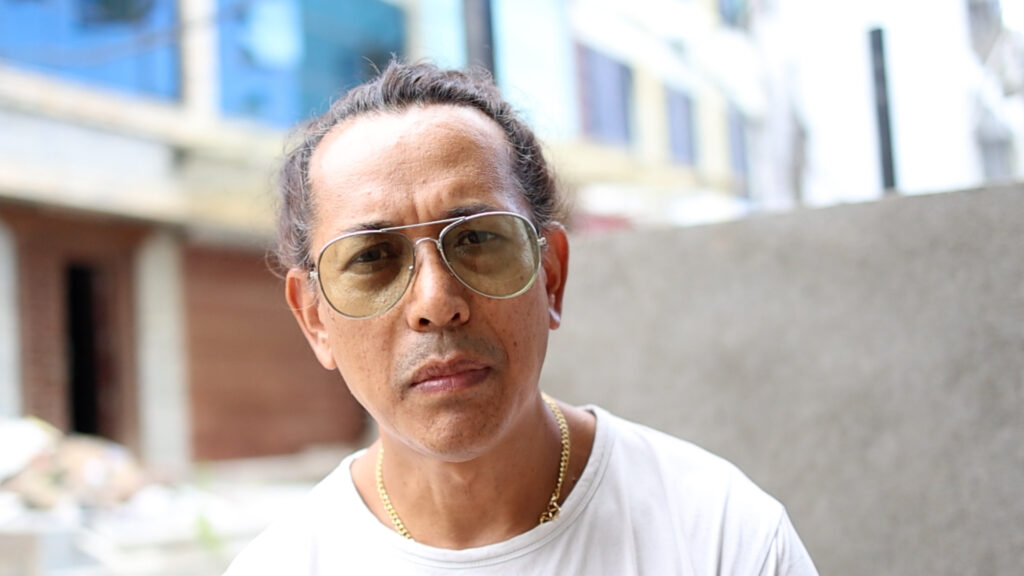 Yogesh “Aadi” Dangol speaks with NepYork about the tragedy. Photo: Dipendra Dhungana
“I do not blame the people in the upper region, and I do not blame the government,” he said. “This was our misfortune. It happened, and it is over. Now we have no choice but to think about how we can improve, how we can be more careful and what we should do in the future.”
For Betrawati, however, the disaster is not over. The floodwaters have receded, but the grief, displacement and fear they left behind remain part of residents’ daily lives.
This coverage was made possible by a grant from URL Collective, a nonprofit supporting local, diverse media.