
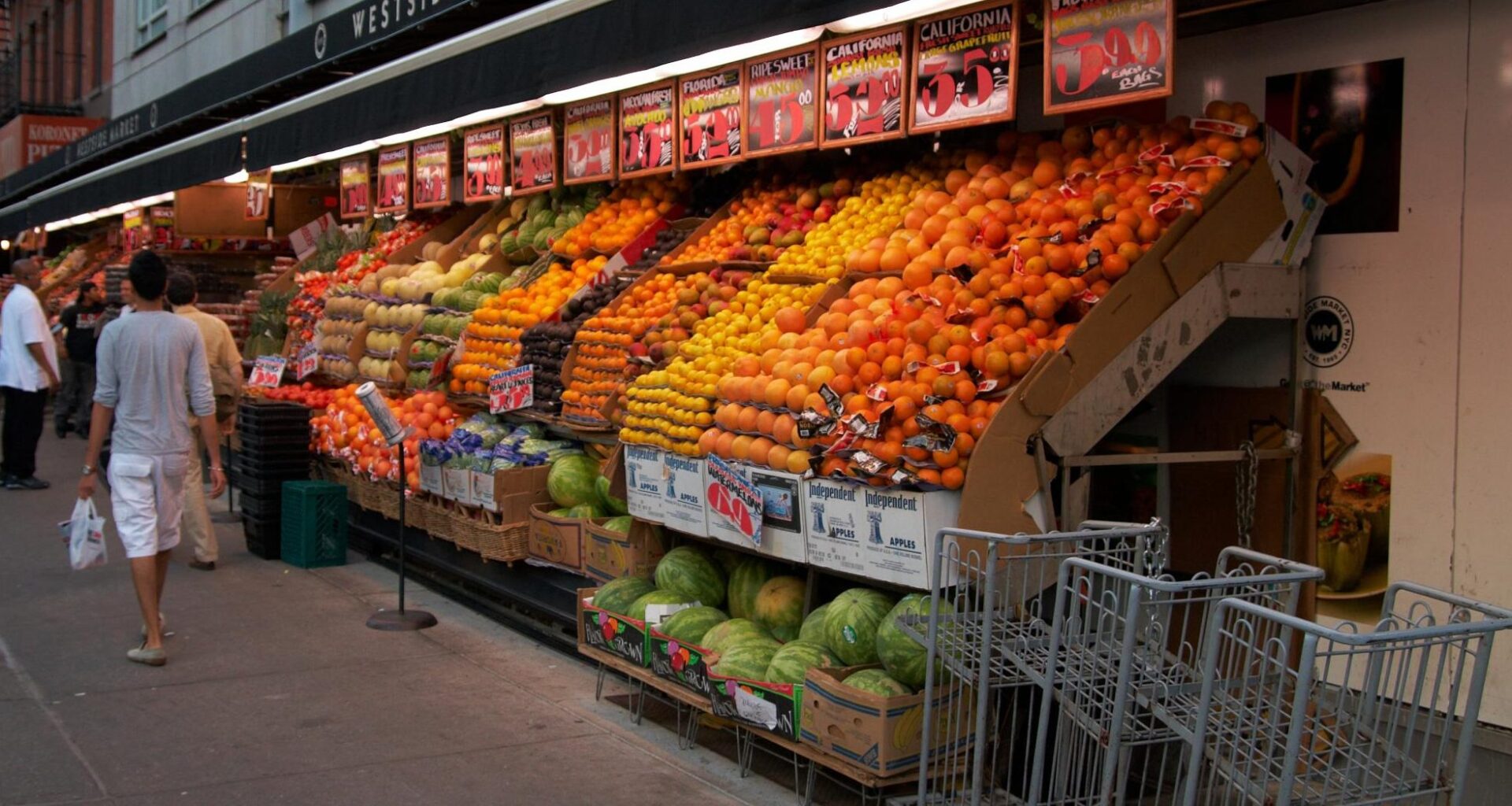
To combat increasing grocery prices and alleviate the financial burden felt by millions of New Yorkers, New York City Mayor Zohran Mamdani has begun to fulfill his campaign promise of opening five city-owned grocery stores that guarantee a 30% discount below market price.
Each of the five boroughs will open one city-owned grocery store, with Mamdani’s administration allocating over $70 million in capital funds to build and run each location.
The sole purpose behind this grocery store initiative is to help New Yorkers save. According to projections given by nyc.gov, families can save roughly $90 each month or $1,000 each year.
This initiative operates as a public-private partnership, in which the city owns the properties and waives rent, property taxes and initial construction costs. All day-to-day operations are managed by experienced third-party grocery operators, and prices on essential staple items are locked in monthly. Additionally, these municipal stores will not sell products such as tobacco, lottery tickets or similar high margin convenience items to avoid direct competition with competing corner stores.
This initiative is met with major controversy, with significant concerns over funding the project and putting competitors out of business by undercutting their prices. Mamdani’s proposal currently faces multiple legal challenges, most notably from the Multicultural Business Coalition, which is supported by local business groups like the Greater New York Chamber of Commerce.
Two class action lawsuits have been filed in the New York County Supreme Court arguing that this project introduces unfair competition and predatory pricing. The lawsuit argues that small, privately owned grocers, many of which are owned by immigrant and minority entrepreneurs, simply cannot compete with these publicly owned grocery stores. These small corner stores already run on 1% to 2% profit margins and are still forced to pay fixed fees such as rent, property taxes and utility bills, while city-owned grocery stores do not.
These lawsuits also argue that because these municipal stores are granted real estate exemptions and waived fees, the city is denying equal protection rights to surrounding small businesses that receive no such benefits.
On the economic front, critics argue that the public funding meant to alleviate financial burdens does the opposite. In neighborhoods where these municipal stores will be opening, independent supermarkets and grocers will be unable to handle the costs of staying in business due to a lack of customers. Job losses among local family-owned bodegas will hurt local families, who will struggle to find other job opportunities.
Other economists argue that $70 million isn’t enough funding to keep up with rising food supply chain costs.
City-owned grocery stores reflect Mayor Mamdani’s efforts to address food affordability, with promises of families saving up to $1,000 annually. However, this initiative faces significant opposition, with multiple concerns over functionality and negative economic consequences in the city.
As legal and economic challenges unfold, the long-term impact of such a program remains to be seen, and only time will decide the effectiveness of Mamdani’s municipal grocery stores.