
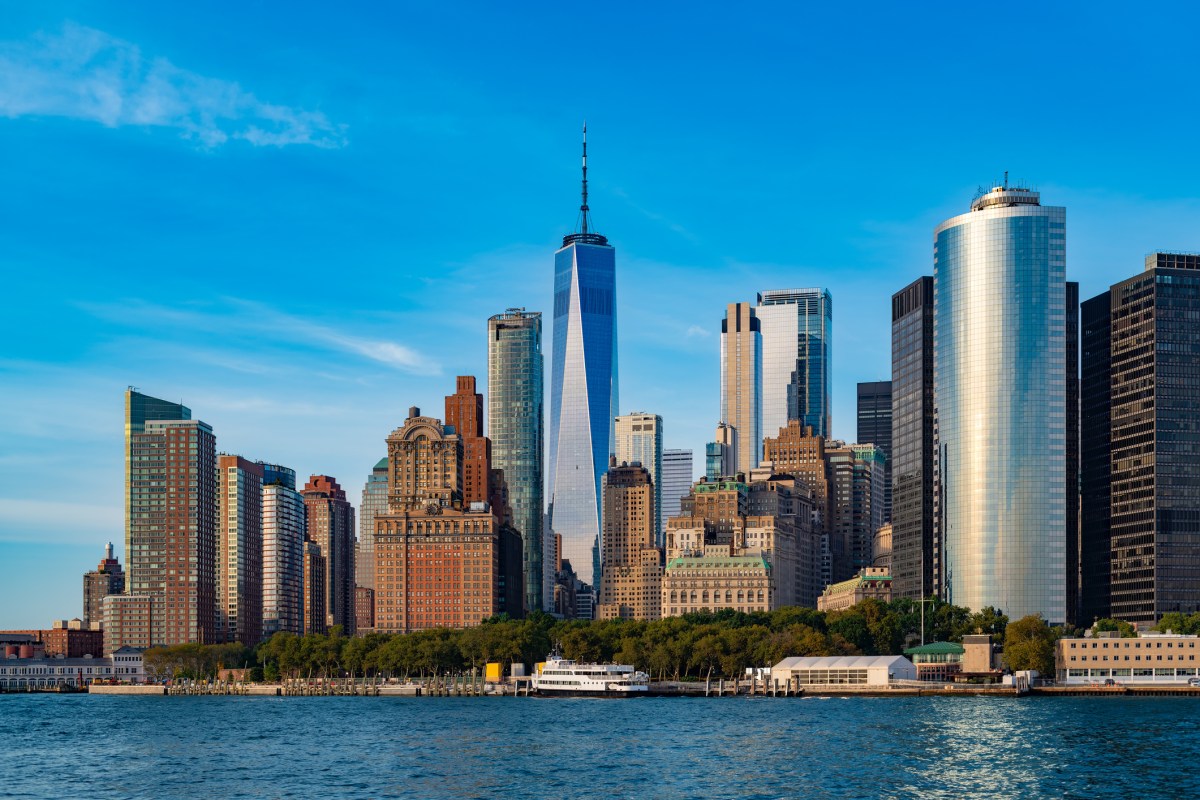
“Wow, this is getting real now,” were the first words of my partner, who was seeing New York City for the first time, as we emerged from the boiling underground platform of the Fulton Street subway station in Lower Manhattan and jumped onto the busy streets of the concrete jungle.
Many people who visit New York City for the first time have often told me it feels like being in a movie, with its streets and sights feeling familiar from countless films and television series.
But to me, the Big Apple is more than familiar—it’s my home—having grown up in the city across three boroughs, including the Lower Manhattan area, where I spent my high school years at Stuyvesant High School until 2000, the year before the September 11 terror attacks.
Read More on Travel
Much like everyone else in the world, I remember exactly where I was when I first received the news about the 9/11 attacks. I was at a morning philosophy lecture at Binghamton University in upstate New York when our professor immediately dismissed us all before the class had begun in view of the event, after which I was frantically trying to get a hold of my family back in New York City.
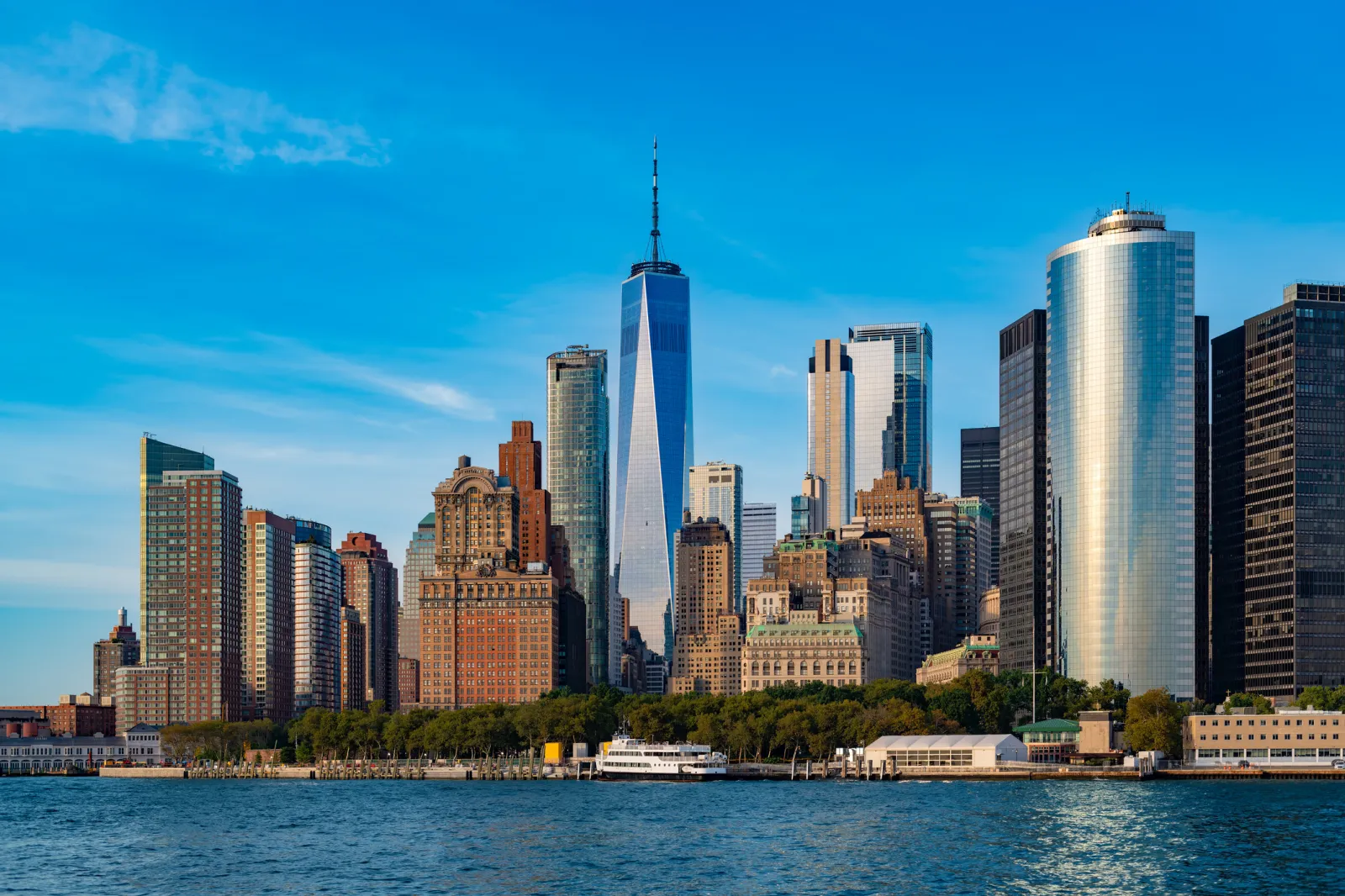
Located just a few blocks from the World Trade Center site, I later learned that Stuyvesant High School was used as an emergency triage center just after 9/11 to facilitate medical services, and its students were temporarily taught in other buildings before it reopened as a school.
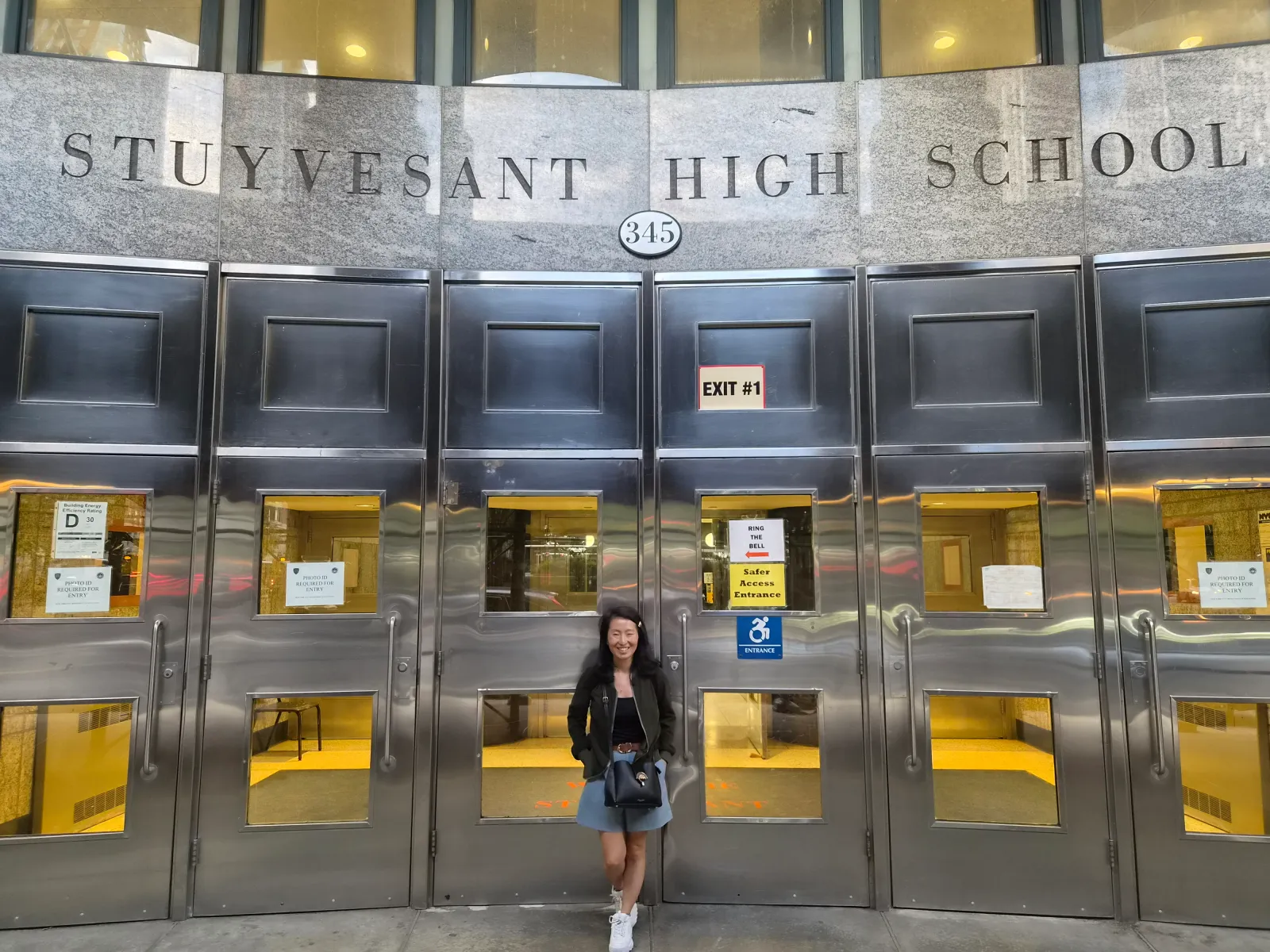
Visiting Stuyvesant and the surrounding area just a couple of weeks before the anniversary of 9/11 felt very surreal, knowing the floors, hallways, and classrooms I’d roamed around for four years would have been filled with medical personnel and patients in the aftermath of the 9/11 attacks.
It had been at least a decade or so since I last visited, and the shiny, metal doors of my school and the vast green space of Battery Park City that we had on our doorstep felt the same, or even more beautiful and serene than I’d remembered.
It was comforting to see a few vestiges remaining from my school years, including the New Amsterdam Library on Murray Street, local primary and secondary schools, and even the McDonald’s on Chambers Street, and the Century 21 department store, not far from the World Trade Center site.
But I was most struck by how the feel of my old stomping grounds had changed since the days I used to hop off the 2 or 3 trains at Chambers Street every morning and join a swarm of other sleepy-eyed students walking towards Stuyvesant.
Lower Manhattan’s Financial District was mostly known for office workers, especially being home to Wall Street. The district felt busy with commuters and workers by day but dead quiet by night after the bankers and other workers had emptied the area.
The area became an eerie ghost town for several years after 9/11, following the exodus of companies that had left the area because of the toxic air and never returned, notes Dana Tamuccio, a native New Yorker who is a Lower Manhattan historian and the founder of Vibe NYC Tours.
The area has a deeply personal connection for Tamuccio, having lost her oldest sibling, who worked in the north tower, in the 9/11 attacks. Her father was also a New York Stock Exchange floor broker for 43 years, so she spent a significant part of her youth in and around the area. She tells me that residential development became essential to the recovery of Lower Manhattan.
Recent years have seen various office-to-residential conversions, such as 55 Broad Street and 25 Water Street, which have played a major role in the transformation of the Financial District, according to Teresa Stephenson, president of Platinum Forbes Global Properties, a real estate brokerage firm that’s been based in the district for over 20 years.
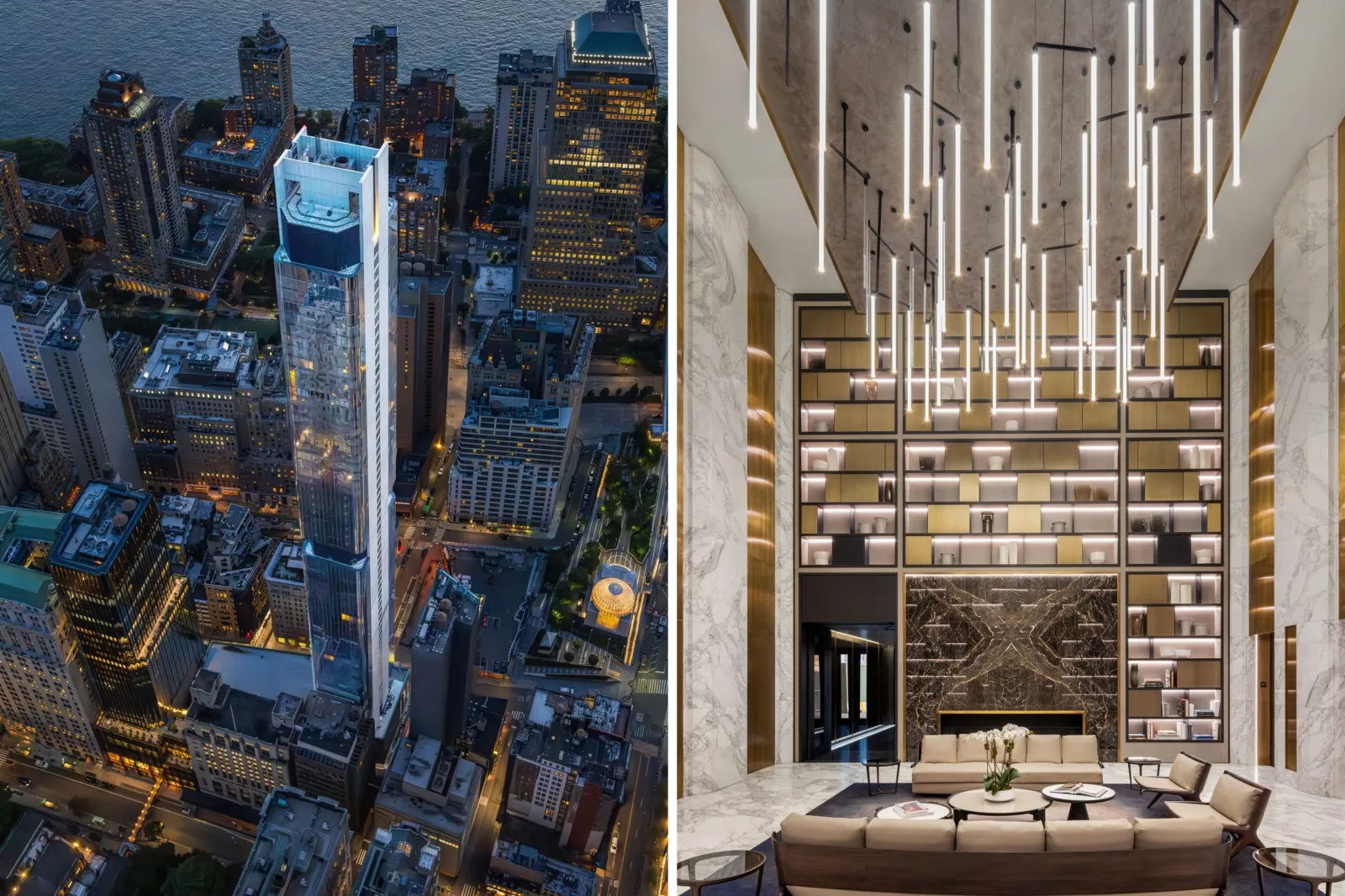
New luxury towers have also been built, such as The Greenwich, which is said to be one of the only “true ground-up developments” in the area, says Gregory Davis, director at Fortress Investment Group. The 88-story residential tower is one of the last works by the renowned late architect Rafael Viñoly.
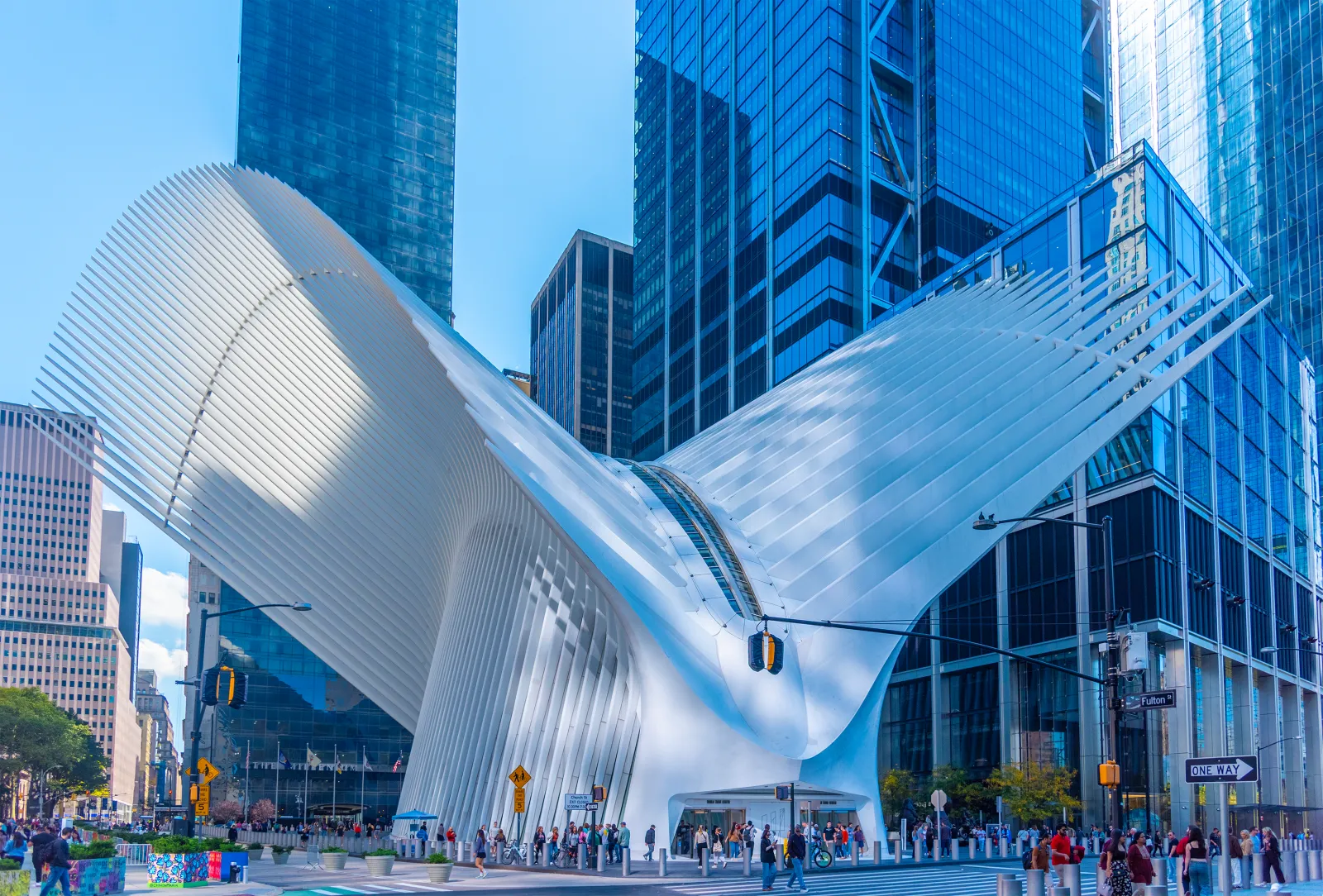
In 2020, Manhattan’s Community District 1 (CD1), which includes various areas such as the Financial District, Tribeca, South Street Seaport/Civic Center, and Battery Park City, was found to be one of the fastest-growing populations in the city, with its population jumping by 28.6 percent since 2010, according to a report from the community board.
Today, the Lower Manhattan area is home to an estimated 70,000 residents, according to the Downtown Alliance. This year, the Financial District topped a ranking of the 10 New York City neighborhoods to watch in 2026, having seen the greatest increase in searches (a 46.7 percent year-on-year rise) among home buyers and renters on StreetEasy from 2024 to 2025.
Davis tells me: “As more residents have moved downtown, the surrounding restaurants, retailers, services, and businesses have followed, creating a vibrant, 24/7 community.”
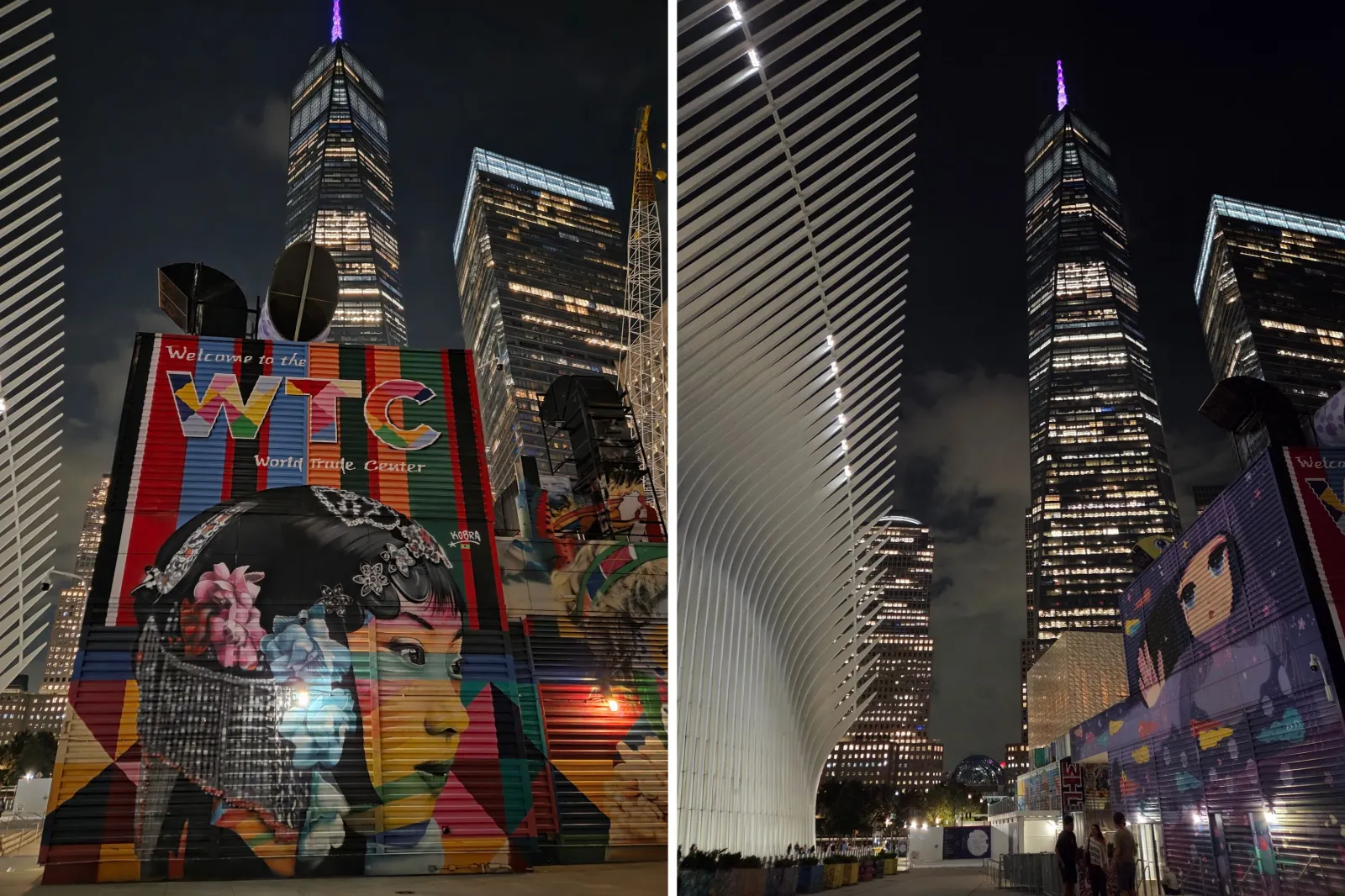
The area’s identity is no longer tied to purely finance and has become a vibrant place where people go not just for work but also to live, with a lot more venues, both local spots and major chains, that give it a more neighborhood feel.
New York artist Tom Christopher, who spent over four decades documenting the city’s streets, architecture, and changing public life, tells me: “Over the past 25 years, residential conversions, new public spaces, and rebuilding around the World Trade Center have turned it into a genuine neighborhood—one where people live, raise families, dine, and create, not merely work.”
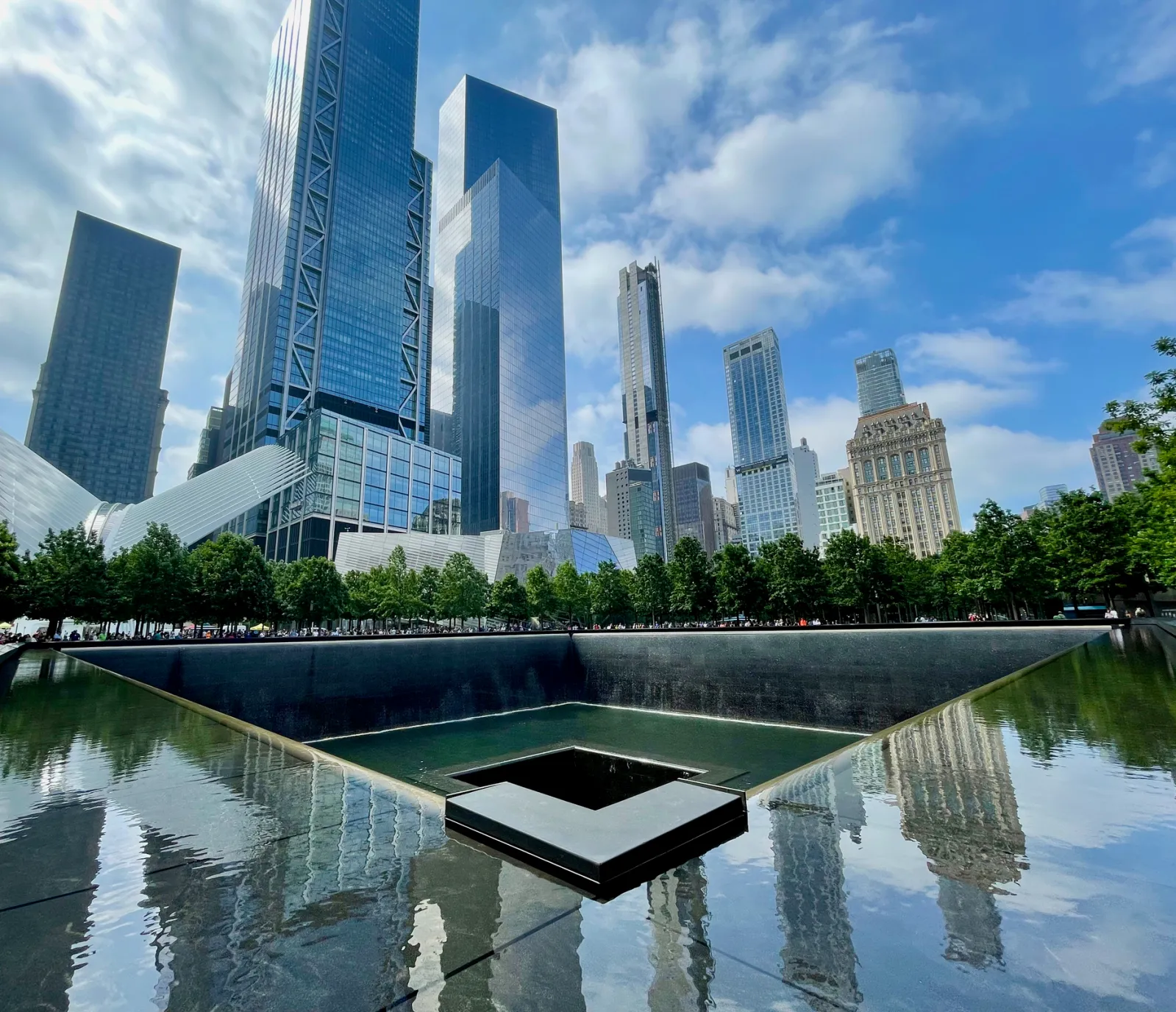
The neighborhood has more to offer beyond the major Westfield shopping center at the Oculus transportation hub of the World Trade Center site. Walking around its streets last month, I spotted a host of eateries, including newer—dare I say even hipster—spots like the Blank Street coffee chain and Leon’s Bagels, where I attempted to grab a bite but decided against it after seeing a queue of people waiting to get in—a scene that would have been unheard of back in the day for this area.
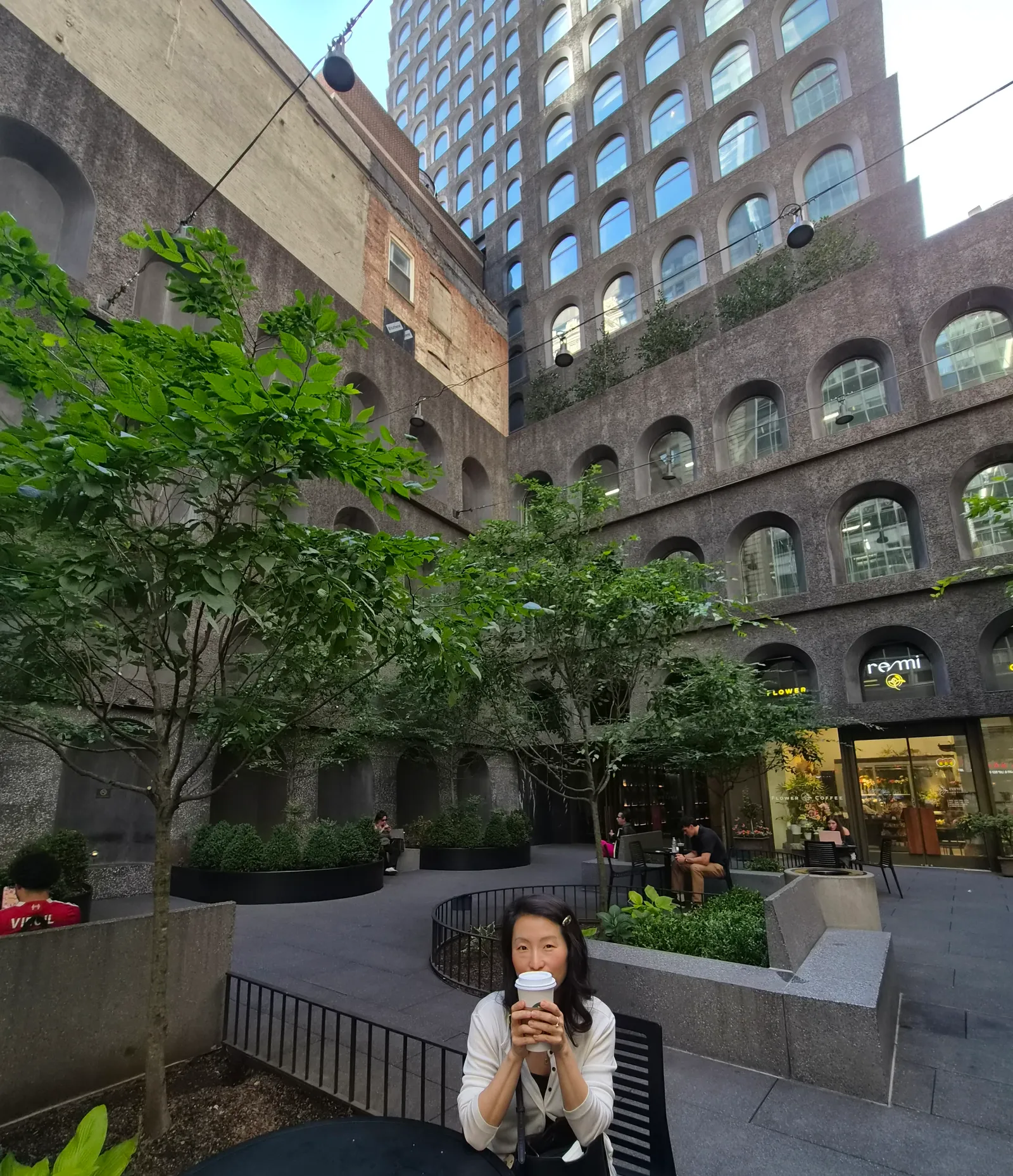
I was also surprised to see several spots for international cuisine like Koba, a Korean barbecue restaurant on William Street, which felt authentic to me as a native Korean, judging not just by the food but also the super old school Korean tunes playing in the background.
Just next to Koba was a peaceful public space with tables and chairs dotted by trees and plants, with a flower and coffee shop overlooking the square, which felt like an unexpected oasis in the busy district.
Stephenson said these venues have “completely changed the experience of living downtown,” noting “you really don’t have to leave the neighborhood to get what you need anymore.”
The area’s development has also seen a noticeable rise in visitors along with residents, Tamuccio tells me. “You just never saw that before 2001. In fact, the Charging Bull [a statue in the Bowling Green area that’s come to be a symbol of Wall Street] wasn’t on anyone’s radar except the people who worked down there.”
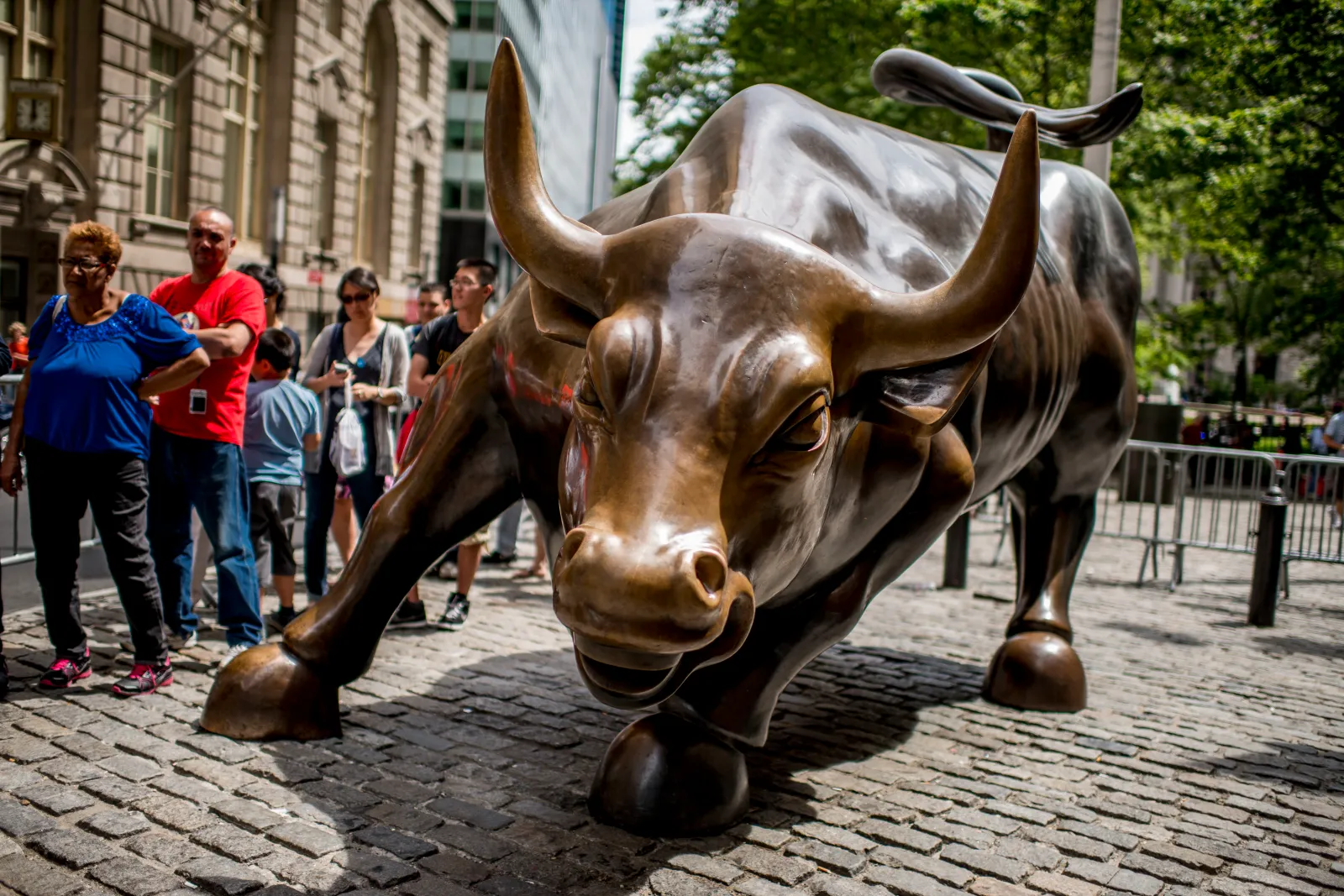
Lower Manhattan saw 8.1 million tourists in 2025, marking a 244 percent increase from 2020, and 14 million tourists in 2019, according to the Downtown Alliance.
Growing visitors saw new hotels pop up throughout the area, such as the W New York Downtown Hotel & Residences, which was among the first major hotel chains to open in the area after 9/11. The new Four Seasons Hotel New York Downtown, from Silverstein Properties, the developer behind the rebuilding of the World Trade Center site, was another high-profile hotel that opened in the post-9/11 era.
For Tamuccio, the area’s development demonstrates “the resilience of New York and the determination to build a living community around a place of memory.”
Christopher believes patriotism has become more culturally resonant in Lower Manhattan, noting that “New York absorbed an unimaginable loss, rebuilt and created something more alive and enduring.”
But for me, my epic return to this deeply nostalgic and emotional part of New York City has reminded me of how the Big Apple has always felt like an old friend or family member, with whom you can always pick up where you left off, no matter how many years it’s been since you’ve reunited—and whatever life brings, you know they’ll be okay in the end.
Do you have a travel-related story to share? Let us know via life@newsweek.com, and your story could be featured on Newsweek.
Contact Newsweek editors on this story: Sirena Bergman and Emma Lee-Sang